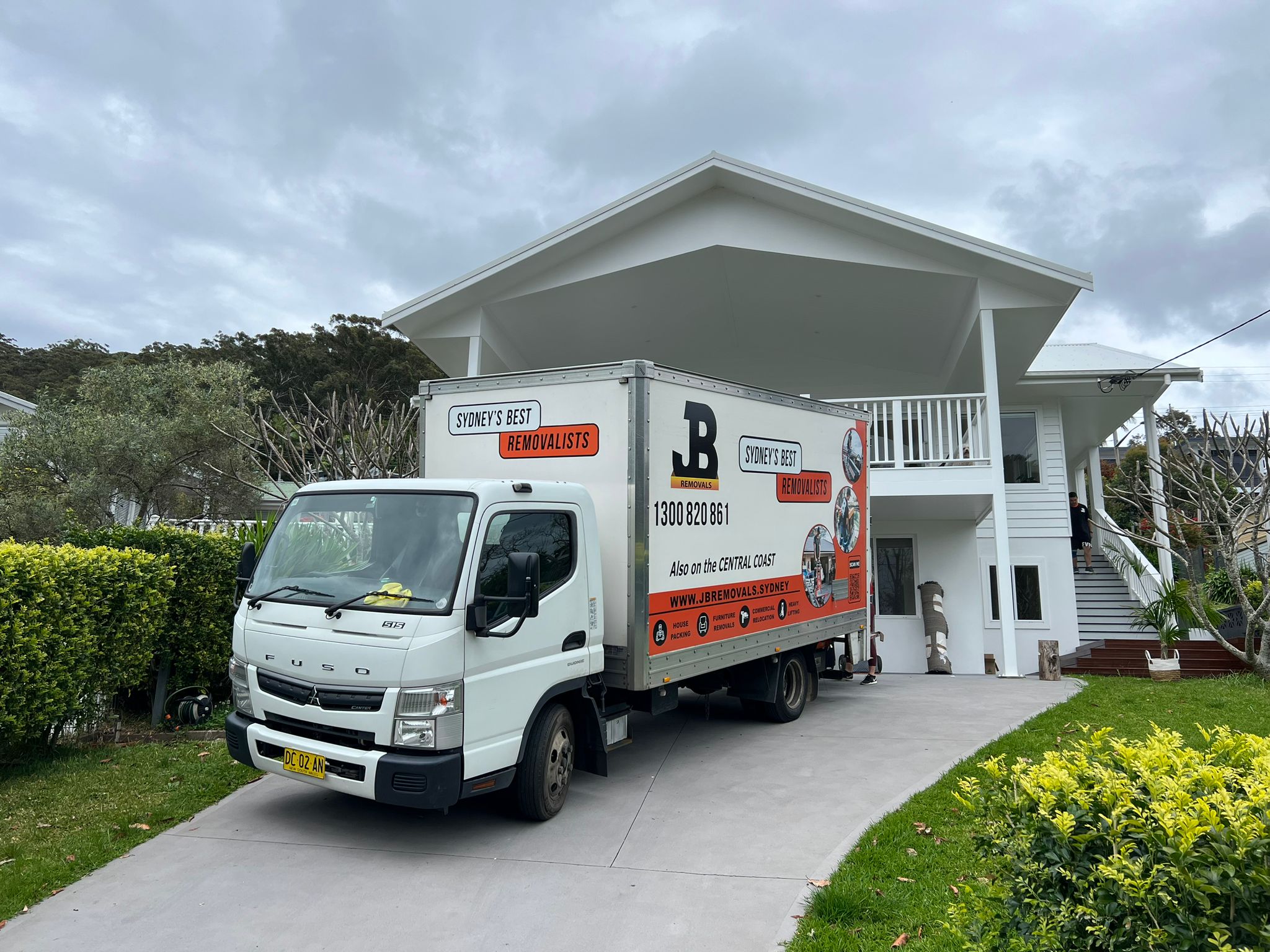
If you are wondering how to prepare for removalists in Sydney, focus on four things: finish the packing, clear the access route, disclose the complete load and organise legal truck access at both properties. Those four actions give the removal crew the best chance to start safely and keep the job moving.
Sydney house moves have their own pressure points. A Sydney CBD loading dock may have a strict booking window. A Northern Beaches driveway may be steep or narrow. An Eastern Suburbs street may offer little room for a truck. An apartment move may depend on lift access, strata approval and protective covers. These details can matter as much as the number of boxes.
This original JB Removals guide is built around what our crews need in the real world: an accurate inventory, properly packed belongings, safe carrying paths and no surprises involving access or heavy items. Use the Sydney moving checklist below from the first week of packing through to the final walkthrough on moving day.
Confirm safe truck access and parking at both properties before moving day.
The five things that make the biggest difference
Before getting into the full checklist, prioritise these five jobs:
Send an accurate inventory. Include furniture, boxes, garages, balconies, storage cages and outdoor items.
Finish packing before the truck arrives. If you need packing help, arrange it as part of the booking.
Confirm parking, lift and loading-dock access. Check both the pickup and delivery addresses.
Disclose heavy and difficult items. Pianos, safes, marble, commercial appliances and items over approximately 100 kilograms need advance planning.
Keep one decision-maker available. The foreman needs someone who can confirm what is moving and where it belongs.
Quick answer: what should be ready before the removalists arrive?
Unless you have booked a professional packing service, aim to have the following completed before your removal crew arrives:
All loose belongings packed into strong, sealed boxes
Every box labelled with its destination room and any handling instructions
Furniture emptied and any agreed disassembly completed
Fridges, freezers and washing machines prepared for transport
Parking, lifts, loading docks and building access confirmed
Hallways, stairs and doorways cleared of hazards
Heavy, fragile and unusual items disclosed to the removalist
Valuables, medication and important documents separated from the load
Children and pets kept safely away from the work area
One responsible person available to answer questions and direct the crew
That is the short version. The detailed steps below will help you avoid the small problems that often create major delays on a Sydney moving day.
1. Confirm exactly what is being moved
One of the most important things you can do is give your removalist an accurate inventory before moving day. The volume and type of furniture affect the truck, crew, equipment and time required. The Australian Furniture Removers Association also explains why a detailed moving inventory supports a more accurate quote.
Do not assume that a last-minute change will be easy to absorb. An extra garage full of belongings, an undeclared storage cage, a second pickup address or several heavy pieces can change the whole job.
Tell your Sydney removalists about:
Furniture, boxes and appliances from every room
Balconies, garages, sheds, attics and storage cages
Outdoor furniture, barbecues, pot plants and garden equipment
Additional pickup or delivery addresses
Items going into storage rather than the new home
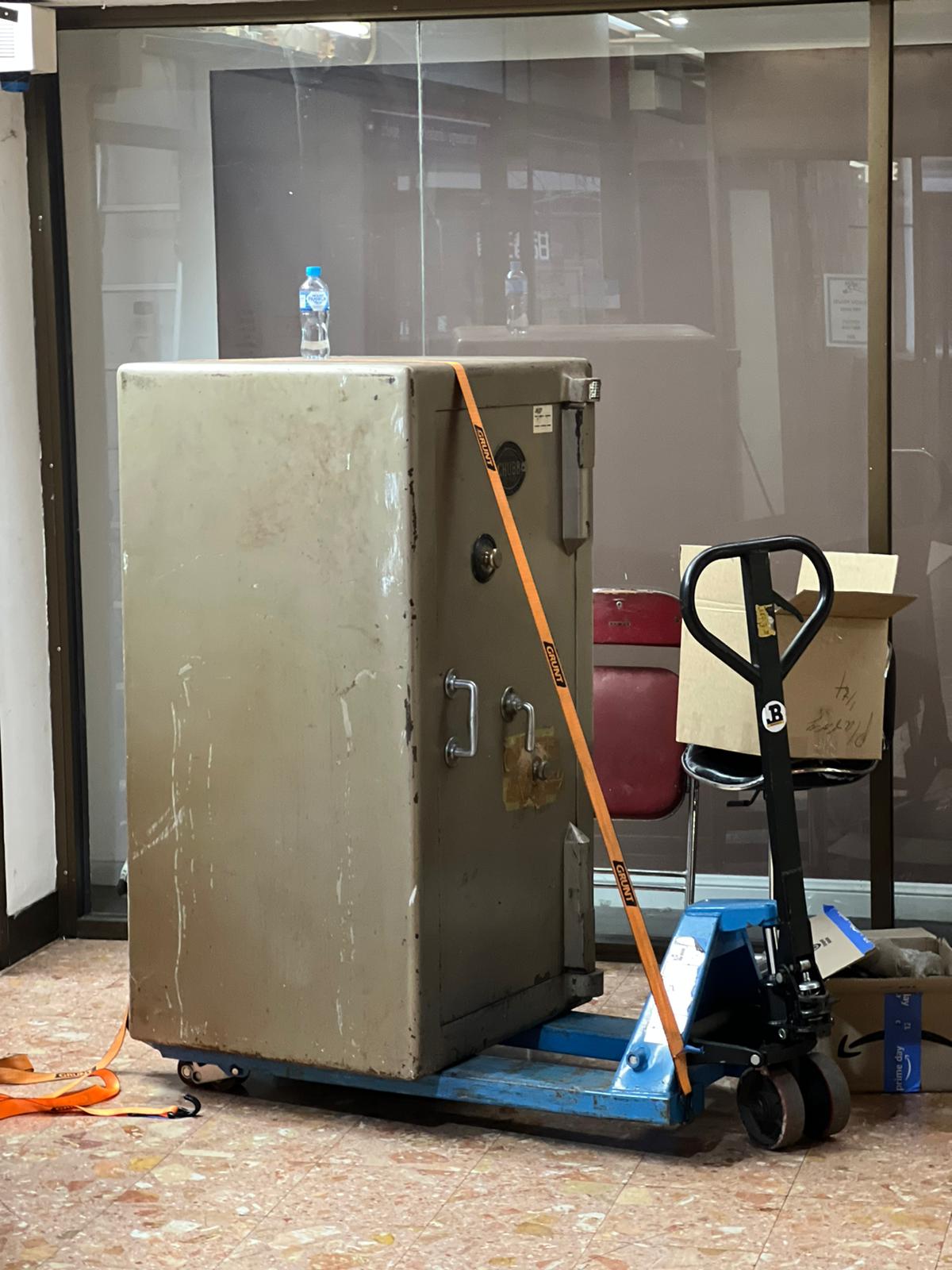
Pianos, safes, marble tables, pool tables, commercial fridges or other items over approximately 100 kilograms
Oversized furniture that may not fit through a normal doorway
Items requiring dismantling, specialist protection or mechanical lifting
JB Removals selects the right removalist truck based on more than bedroom count. Volume matters, but so do street access, parking, stairs, lifts, driveways, multiple stops, storage requirements and heavy items. Clear information helps us plan the right combination of truck, crew and equipment from the beginning. If you are still estimating the load, use our free moving calculator before requesting a quote.
2. Declutter before you start packing
There is no benefit in paying to move belongings you no longer want. Go through the property room by room and separate items into four groups: keep, sell, donate and dispose.
Start with areas that usually hide more volume than expected:
Wardrobes and linen cupboards
Kitchen cupboards and the pantry
Garages and sheds
Under-bed storage
Balconies and outdoor areas
Storage cages and spare rooms
Decluttering can reduce the number of boxes, the amount of truck space required and the time spent carrying items at both properties. It can also make unpacking much easier.
Be realistic about items you intend to sell before the move. If they have not sold close to moving day, tell the removalist they may still need to be transported. An accurate fallback plan is better than an unexpected increase in volume when the truck arrives.
3. Finish packing before moving day—or book packing help
If you have not booked a packing service, every loose household item should be packed and sealed before the removalists arrive. A removal crew cannot safely and efficiently load piles of loose kitchenware, clothing, books, toys or bathroom products.
Unfinished packing is one of the most common causes of moving-day delays. The crew may need to wait, work around unpacked areas or provide additional packing assistance if available. When the job price is affected by time, labour or additional services, that preventable delay can also increase the final cost.
Begin packing two to three weeks before the move, or earlier for a large house. Start with items you use least and leave everyday essentials until the final days.
A practical order is:
Storage areas, sheds and spare rooms
Books, decorations and seasonal items
Non-essential kitchenware and clothing
Most household items
Daily essentials used during the final 24–48 hours
If time is running out, contact JB Removals before moving day. It is much easier to plan packing assistance in advance than to discover an unpacked home when the truck arrives.
4. Use strong boxes and pack them correctly
Good packing protects your belongings and helps the truck load efficiently. Weak, overfilled or open boxes can collapse, spill or become unsafe to stack.
Use purpose-made moving boxes where possible. Seal both the top and bottom securely with quality packing tape. Avoid using damaged cartons, open shopping bags or containers without lids for loose items.
Follow these packing rules:
Put heavy items such as books, tools and pantry goods into small boxes
Use larger boxes for lighter items such as pillows, linen and clothing
Fill empty spaces so contents do not move around inside the box
Do not make boxes too heavy for one person to lift safely
Keep similar-sized boxes together where practical to improve stacking
Wrap fragile pieces individually and cushion the top, bottom and sides
Pack plates vertically rather than laying a heavy stack flat
Keep liquids upright, tightly closed and separated from items they could damage
If a box is difficult for you to lift safely, it is probably too heavy. Splitting the contents between two boxes may take a few extra minutes during packing but can prevent injury, damage and delays later.
5. Label every box for the destination, not the old room
Clear labels speed up unloading and reduce the amount of furniture and boxes that need to be moved twice.
Write the destination room on the top and at least two sides of every box. Add a short description of the contents and use clear instructions such as FRAGILE, THIS WAY UP or OPEN FIRST where necessary.
Good labels include:
Main bedroom—linen
Kitchen—glasses—fragile
Home office—computer accessories
Garage—hand tools—heavy
Bathroom—open first
At the new home, place a simple room label on each doorway if the layout is not obvious. For example, mark bedrooms as Bedroom 1, Bedroom 2 and Bedroom 3 and use the same wording on the boxes. This allows the crew to unload efficiently without asking where every box belongs.
6. Separate anything that must not go on the truck
Create a clearly marked no-load zone for anything travelling with you or staying behind. A locked room, an empty bathroom or a clearly separated corner can work well, but tell the foreman before loading begins.
Keep these items with you:
Passports, licences and identity documents
Property, settlement, lease and insurance papers
Cash, jewellery and small high-value items
Prescription medication and medical equipment
Keys, access cards, alarm instructions and garage remotes
Phones, laptops and essential chargers
Irreplaceable sentimental items
Your moving-day essentials bag
Do not place car keys or new-property keys in a box. Keep them on your person or with one designated adult throughout the move.
7. Prepare furniture before the crew arrives
Empty wardrobes, bookcases, desks, buffets, filing cabinets and most drawers before they are moved. Contents add weight, can shift during transport and may damage the furniture from inside.
Remove loose shelves, glass panels and detachable pieces. Place screws, bolts, brackets and remote controls in labelled zip bags. Secure each bag to the relevant item or keep all hardware together in a clearly marked parts box.
If you are dismantling furniture yourself, do it before moving morning. Common items include:
Beds and bed frames
Flat-pack wardrobes and shelving
Dining tables with removable legs
Modular sofas
Outdoor settings
Desks and large office furniture
Flat-pack furniture can be vulnerable when transported assembled because it is often designed to remain stationary. Dismantling it can reduce stress on its joints and make it easier to move through narrow Sydney apartments, terraces and stairwells.
Baby cots require particular care. Retain the manufacturer’s instructions and confirm in advance who will dismantle and reassemble the cot. It must be put back together correctly for safe use.
If JB Removals is handling agreed furniture disassembly, make sure the surrounding area is clear so the crew can begin immediately.
8. Prepare appliances properly
Large appliances need time to drain, dry and become safe for transport. Do not leave this until the removalists are standing at the front door.
Fridge and freezer
Use or remove food in advance. Empty, switch off and defrost the appliance with enough time for all ice to melt. Dry the interior and place towels around it while defrosting. Secure loose shelves separately.
Check the manufacturer’s instructions before restarting a fridge after transport. The correct waiting period can depend on how the appliance was carried.
Washing machine and dishwasher
Run the final cycle early, disconnect power and water, drain the hoses and allow the appliance to dry. Secure hoses and loose fittings. Some washing machines require transit bolts to stabilise the drum, so check the manual.
Televisions and electronics
Photograph cable connections before unplugging equipment. Label cords and pack remotes with the correct device. If you have wall-mounted televisions, arrange removal from the bracket before the crew arrives unless this service has been confirmed in your booking.
Gas appliances
Gas bottles and connected gas appliances require special handling. Tell JB Removals about them before the job and follow the applicable transport and disconnection requirements. Use a qualified tradesperson where professional disconnection is required.
9. Tell the removalist about heavy, fragile and specialist items
Never surprise the crew with a piano, safe, stone table, commercial appliance or unusually heavy object on moving day. Heavy-item removals may require additional staff, lifting equipment, floor protection, specialised dollies or a different vehicle.
Provide photographs, dimensions and an estimated weight where possible. Also describe the complete path from the item’s current position to the truck and from the truck to its final position.
Important access details include:
Internal or external stairs
Tight turns and narrow landings
Steep or curved driveways
Soft lawns or uneven ground
Balconies and restricted doorways
Lift dimensions and weight limits
Distance from the property to legal truck parking
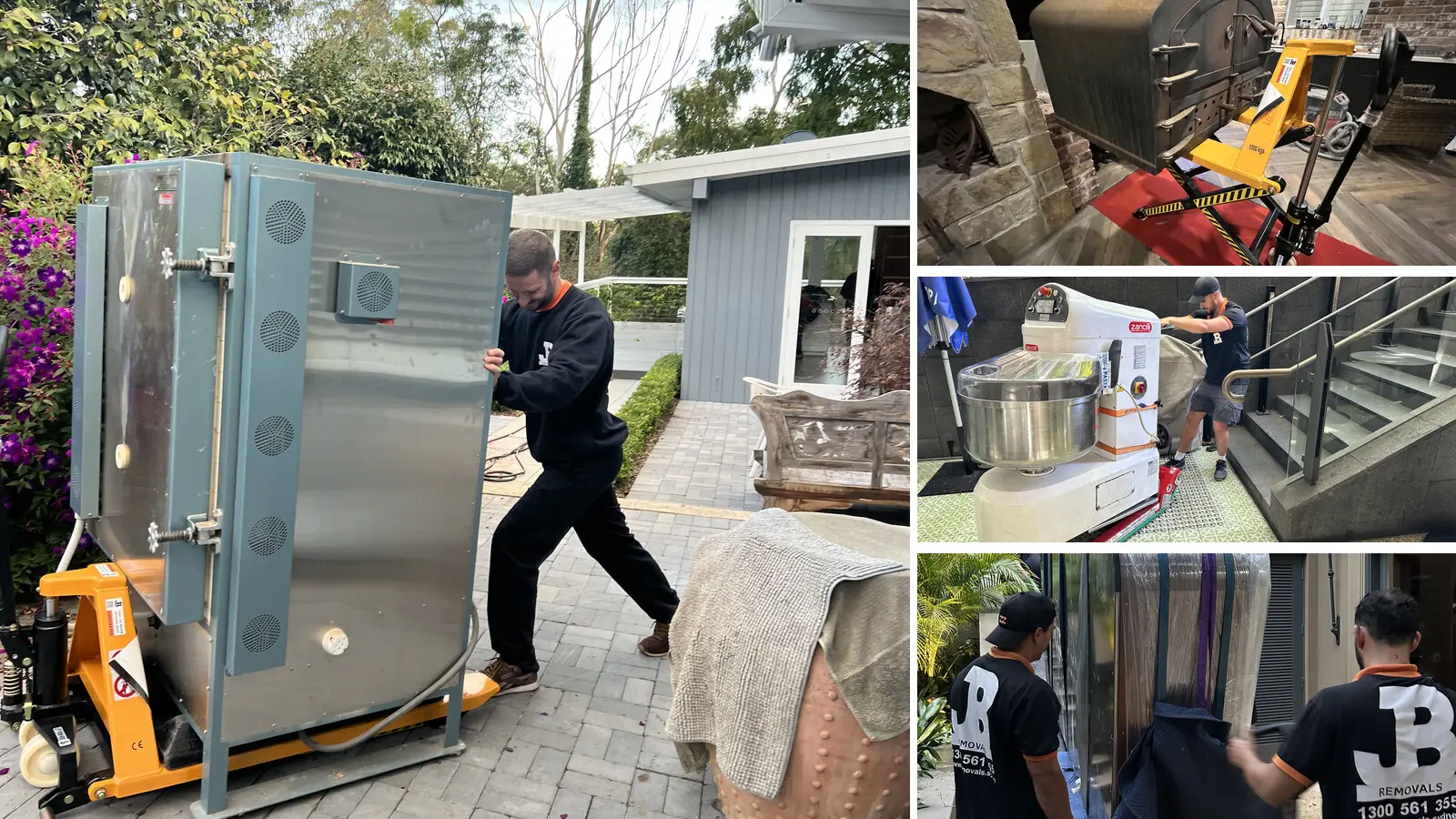
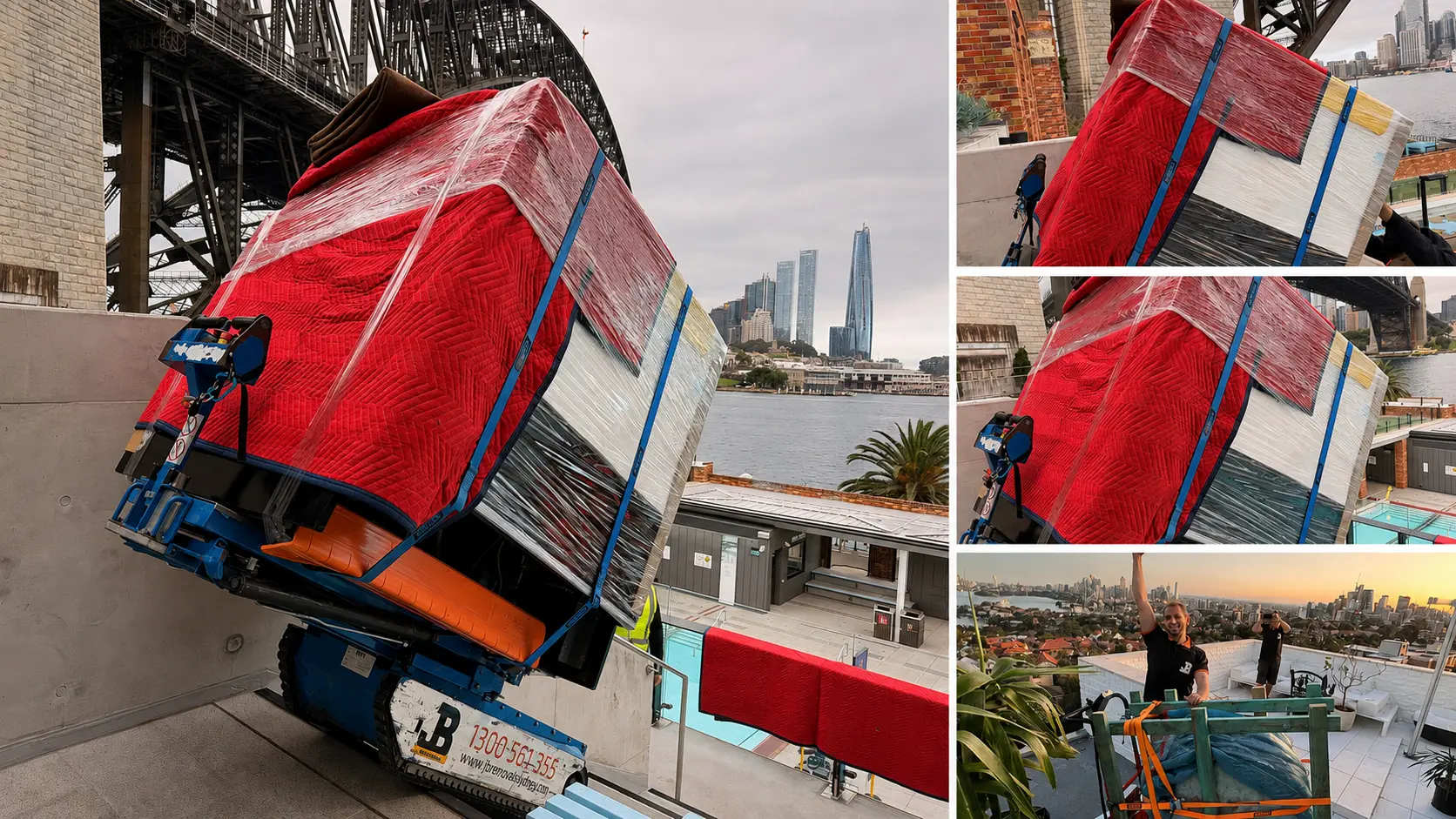
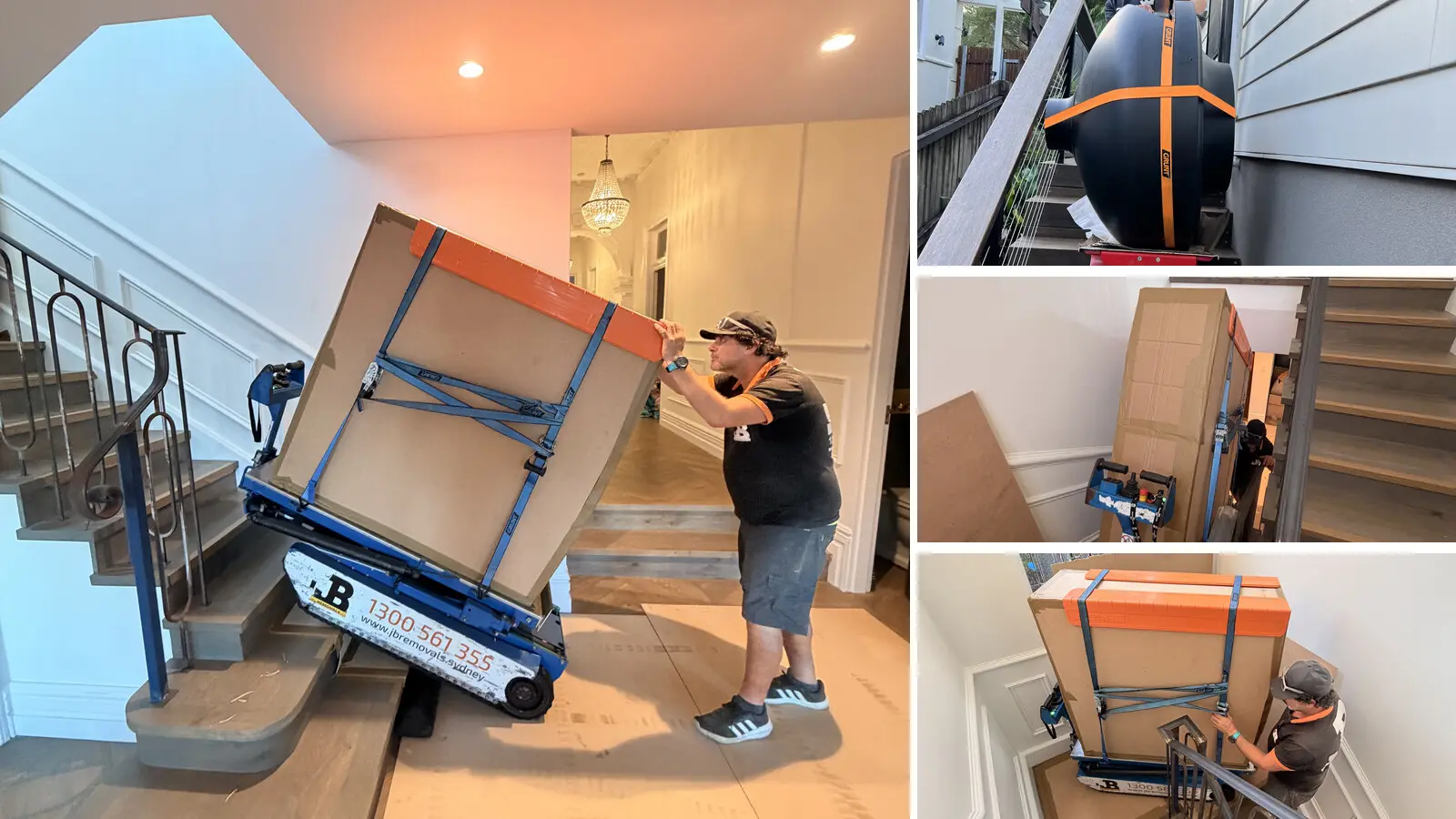
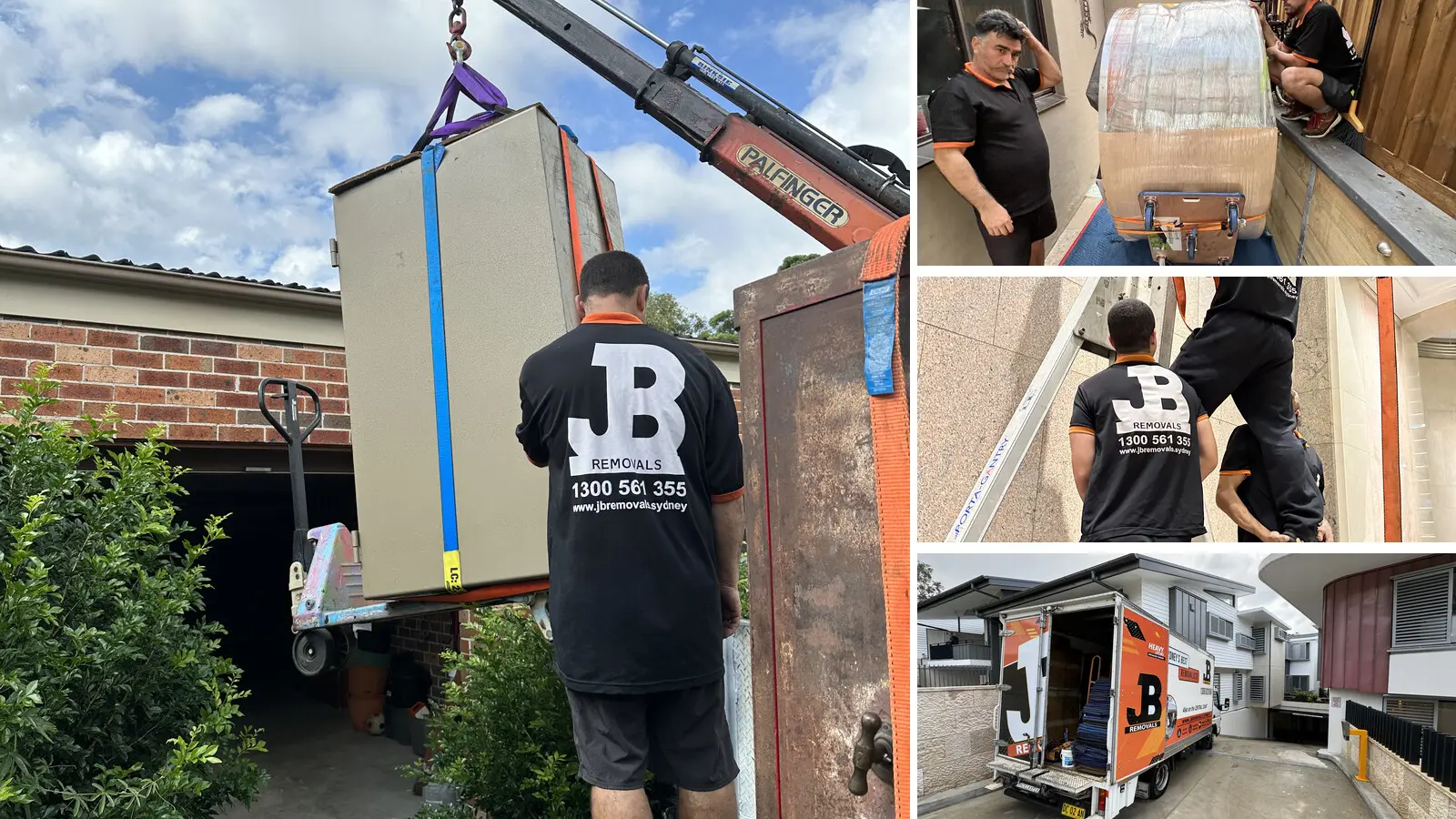
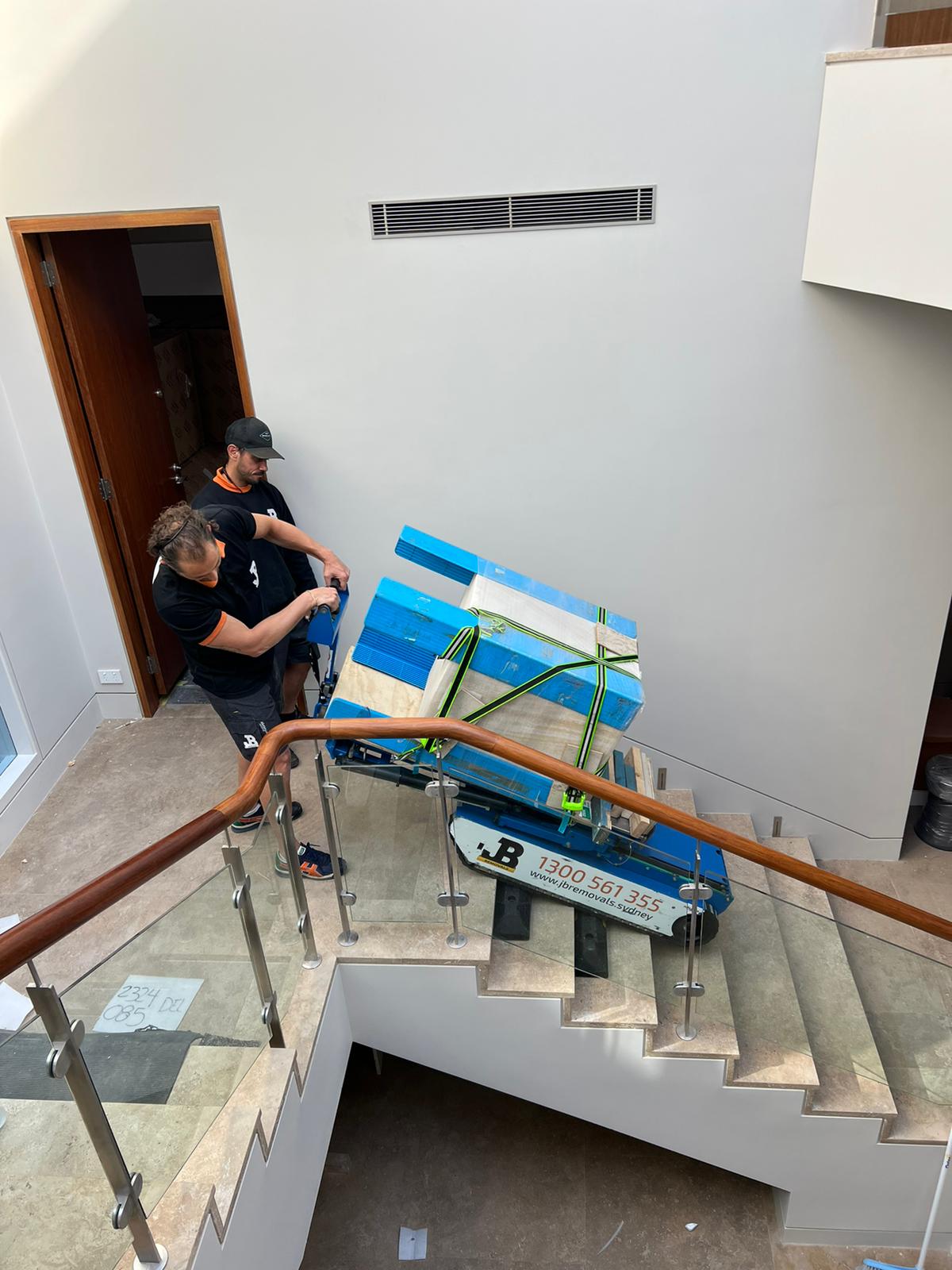
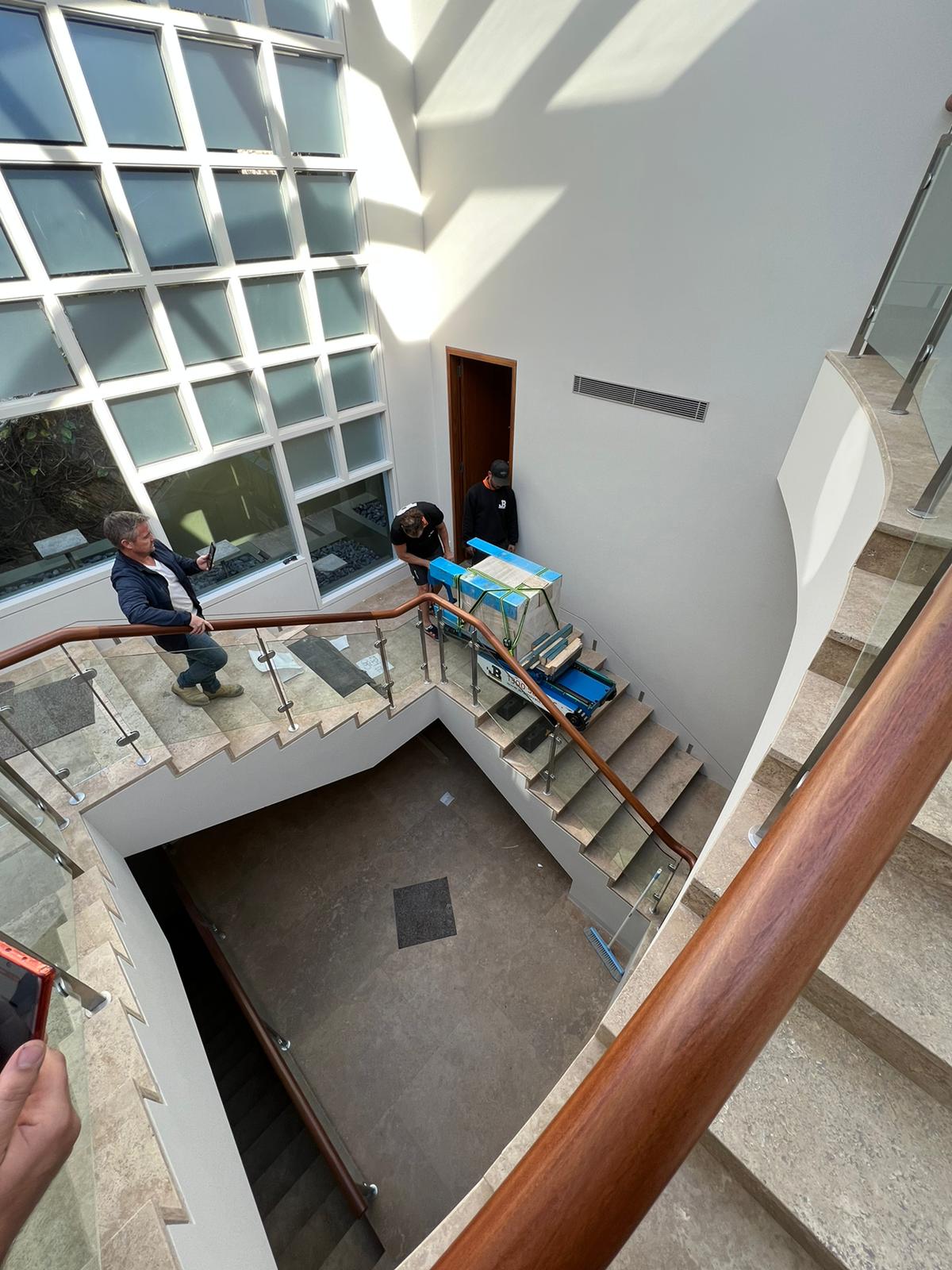
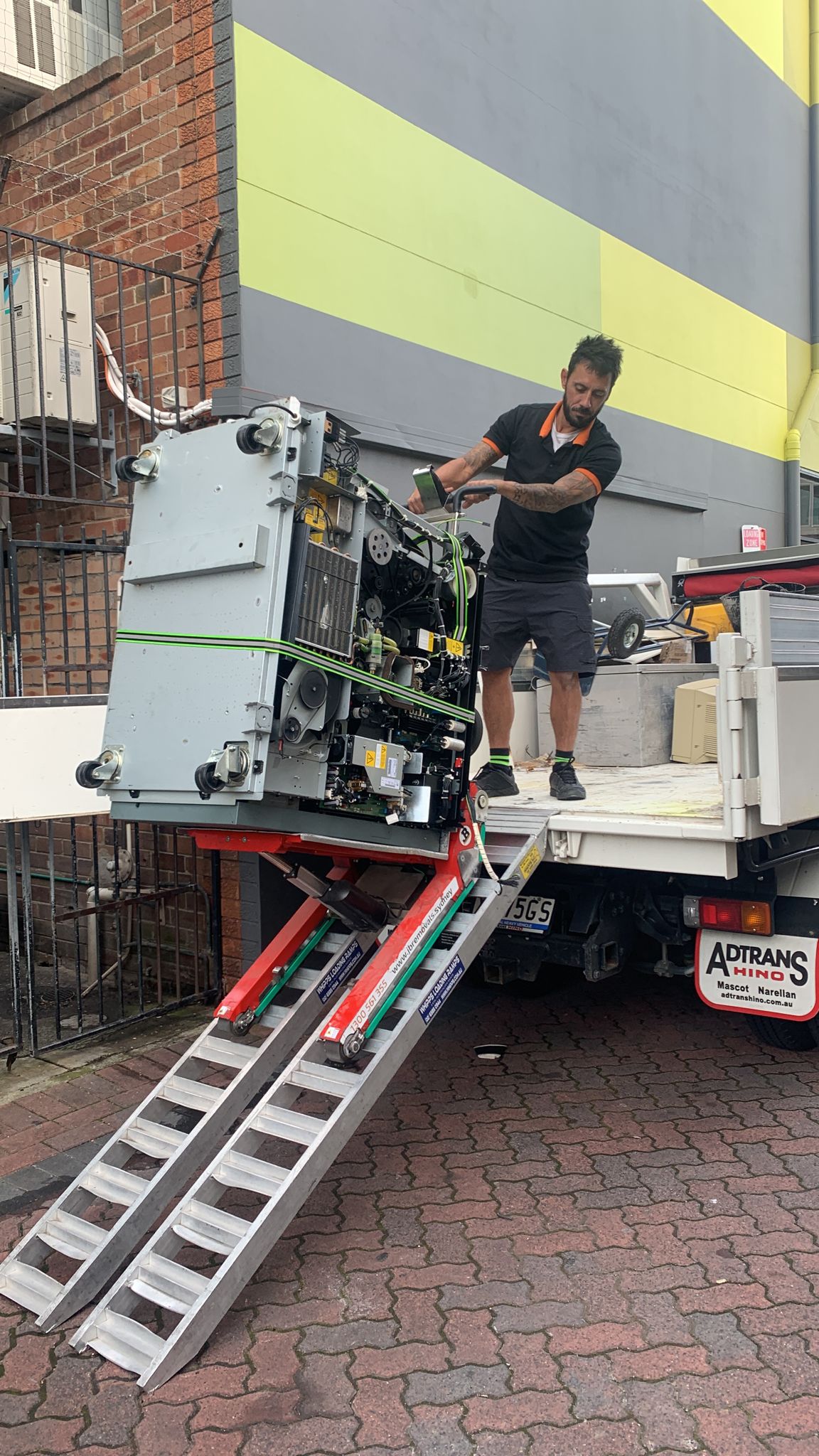
JB Removals has invested in heavy-lifting equipment, stair-climbing technology and robotic moving equipment for difficult residential, commercial and industrial items. Our Hercules heavy-lifting service is designed for jobs that need more than standard manpower. However, the correct equipment must be planned and allocated before the job. Early disclosure is what turns a difficult lift into a controlled move.
Heavy and unusual items need the right crew, route plan and specialist equipment.
JB’s five-point Sydney access check
When sending photos or a video walkthrough, show these five points at both properties:
Truck position: where the truck can legally and practically stop
Carry distance: the route from the truck to the entrance
Level changes: every stair, step, ramp, lift and steep section
Tightest point: the narrowest doorway, turn, landing or corridor
Final position: where the largest or heaviest item must be placed
A 60-second phone video covering those points can reveal a problem that is easy to miss in a written description. It also helps JB Removals plan protection materials, dismantling, crew numbers and specialist equipment before moving day.
Difficult Sydney access should be photographed and discussed before the crew arrives.
10. Organise Sydney parking and building access
Access rules vary across our Sydney removalist service areas and can affect moving time as much as the number of boxes. This is especially important for Sydney CBD apartments, Eastern Suburbs streets, Northern Beaches properties, inner-city terraces and buildings with loading restrictions.
Before moving day, check both addresses for:
Legal truck parking close to the entrance
Clear driveway access and adequate turning space
Loading-zone availability and time restrictions
Apartment lift bookings
Loading-dock bookings
Strata or building-management moving hours
Building induction or insurance-document requirements
Lift dimensions and protective-cover requirements
Security access, keys, swipe cards and intercom arrangements
Low trees, power lines, height restrictions or narrow streets
Contact building management and the relevant council if you are unsure whether permission, a parking arrangement or a loading-zone booking is required. For addresses within the City of Sydney area, start with the council’s transport and parking information and interactive parking-area maps. For other suburbs, use the NSW Office of Local Government’s Find your local council tool. Requirements differ, so check the council responsible for each address rather than assuming one Sydney rule applies everywhere.
Do not reserve street space using bins, vehicles or other objects unless it is lawful and authorised.
Send access instructions to the removalist before the job. Include the best entrance, loading-dock address, unit number, contact person and any arrival procedure. If a large truck cannot reach the property, the team may need a smaller vehicle or a longer carry, which can add time.
11. Clear a safe path through both homes
Removalists need enough room to carry large furniture without stepping over obstacles. Walk the route from every room to the truck and remove anything that creates a trip or collision hazard.
Clear away:
Shoes, toys and loose household items
Floor mats and unsecured rugs
Electrical cords
Pot plants in doorways
Low-hanging decorations
Cleaning equipment
Boxes blocking halls, stairs or exits
Open gates and unlock necessary doors. If doors need to remain open, secure them safely. Check that outdoor paths are not slippery and that stairs and entrances are well lit.
If rain is expected, keep towels and basic cleaning supplies accessible. Tell the crew about any surface that becomes slippery or any area needing extra floor protection.
12. Measure large furniture and difficult openings
Measure unusually large furniture, doorways, lift openings, corridors and stair turns before moving day. A sofa that entered through a balcony or before a renovation may not leave through the current doorway.
If there is any doubt, send JB Removals photographs and measurements. Early planning may allow the team to remove doors, dismantle the item, select another exit or organise specialist equipment. Discovering the problem halfway through loading wastes time and may make the move unsafe.
13. Prepare pot plants and outdoor items
Outdoor areas are easily forgotten during a house move. Include garden tools, hoses, sports equipment, children’s play equipment, outdoor furniture and garage contents in the inventory.
Avoid heavily watering pot plants immediately before the move. Wet soil makes pots significantly heavier and can leak inside the truck. Remove loose saucers, check pots for cracks and tell the crew about large planters that may need special equipment.
Drain and clean items that may contain water, soil, fuel or residue. Ask the removalist in advance about anything potentially hazardous or unsuitable for standard transport. Paint, chemicals, gas bottles and other problem waste should not be placed into ordinary moving boxes. The NSW EPA provides a search tool for Community Recycling Centres and Household Chemical CleanOut events.
14. Arrange care for children and pets
Moving day means open doors, moving trucks and people carrying heavy objects. The safest option is usually to arrange for young children and pets to stay with a trusted friend, relative or care provider.
If that is not possible, create a secure room away from the main path. Keep food, water, medication, bedding and familiar items available. Make sure everyone on the job knows that the room is occupied and should remain closed.
Update pet identification details and keep leads or carriers accessible. Do not pack them on the truck.
15. Pack a first-night essentials kit
You may not want to unpack the whole house after a long moving day. Pack one bag or clearly marked container for the first night and keep it in your own vehicle.
Include:
Medication and basic first aid
Phone chargers and a power bank
Toiletries and toilet paper
Towels and bed linen
A change of clothes
Water, snacks, tea and coffee
Kettle, mugs and a few basic utensils
Pet food and children’s essentials
Basic cleaning supplies
Important documents and keys
Tools needed to assemble essential furniture
An open-first box prevents essential items from disappearing among dozens of cartons.
16. Confirm the booking before moving day
Contact your Sydney moving company if anything has changed since the quote. Confirm:
The date and expected arrival window
Pickup and delivery addresses
Your best contact number
Inventory and estimated volume
Number of pickup or delivery stops
Parking and access at both properties
Stairs, lifts and loading docks
Heavy or specialist items
Packing, dismantling and storage services booked
Any time restrictions at either property
Accurate information allows the removalist to confirm that the scheduled truck, crew and equipment still suit the job.
Useful Sydney moving tools and official links
Preparing the furniture is only part of moving house. These non-commercial and government resources can help with the administrative work around a Sydney move:
Change government details: Use the Service NSW moving-house guide to update relevant licences, registrations, permits and accounts.
Redirect your mail: Australia Post offers an online mail redirection service for letters and eligible parcels sent to the old address.
Compare or connect energy: The Australian Government’s Energy Made Easy moving guide explains arranging electricity or gas supply at a new property.
Check Sydney Water responsibilities: Owners and tenants have different responsibilities. Review Sydney Water’s information for renters or for buying and selling a property.
Moving out of a rental: NSW Government guidance on moving out of a rental home can help with the final inspection, keys and tenancy steps.
Find the correct council: Use the NSW local council finder before checking parking, waste or local access rules.
Open the relevant tools several days before moving day. Address changes and utility connections can be completed separately from the physical move, which keeps the final 24 hours focused on access, packing and handover.
17. Be ready to direct the crew—but give them room to work
One responsible adult should be present to meet the foreman, complete the initial walkthrough and answer questions. Point out:
Items requiring special care
Items not being moved
The order required for multiple stops
Access hazards
Boxes or furniture needed first at delivery
Once the plan is clear, allow the crew space to work. Avoid carrying loose items through the same doorway or rearranging the loading area while removalists are handling furniture.
Keep a bathroom available if possible and make sure the crew can access drinking water, particularly during hot Sydney weather.
18. Complete a final walkthrough
Before the truck leaves, inspect every part of the property. Open every cupboard and wardrobe and check:
Behind doors and curtains
Under beds and furniture
Inside the oven, dishwasher and other appliances
Garage shelves and roof storage
Balconies, yards and sheds
Storage cages
Meter cupboards and utility areas
High shelves and hidden drawers
Confirm that items staying behind have not been loaded and everything being moved is on the truck. Taking photographs of the empty rooms can also provide a useful condition record for an end-of-lease move.
Common mistakes that make a Sydney house move take longer
Avoid these moving-day problems:
Packing boxes after the crew arrives
Using open, damaged or overloaded boxes
Leaving drawers and cabinets full
Forgetting the garage, balcony or storage cage when requesting a quote
Failing to disclose a piano, safe, marble table or other heavy item
Not reserving the apartment lift or loading dock
Assuming truck parking will be available
Losing keys, access cards or garage remotes
Allowing pets or children into the carrying route
Packing medication, documents or valuables on the truck
Giving boxes vague labels such as “miscellaneous”
Forgetting to defrost or drain appliances
Blocking hallways with boxes
Leaving unwanted items mixed with the moving load
Sydney moving-day checklist
Use this final checklist the evening before your move:
☐ All loose items are packed and boxes are sealed
☐ Boxes are labelled by destination room
☐ Fragile boxes are clearly marked
☐ Furniture is emptied
☐ Agreed dismantling is complete
☐ Hardware and remotes are labelled
☐ Fridge and freezer are empty and defrosted
☐ Washing machine and dishwasher are drained
☐ Heavy and specialist items have been disclosed
☐ Parking and property access are confirmed
☐ Apartment lift or loading dock is booked
☐ Hallways, stairs and entrances are clear
☐ Children and pets have a safe plan
☐ Valuables, documents, medication and keys are with you
☐ The essentials kit is travelling in your vehicle
☐ Someone is available to meet and direct the crew
☐ Both addresses and contact numbers are confirmed
JB Removals in action
These real Sydney jobs show why access, equipment and item details should be confirmed before moving day.
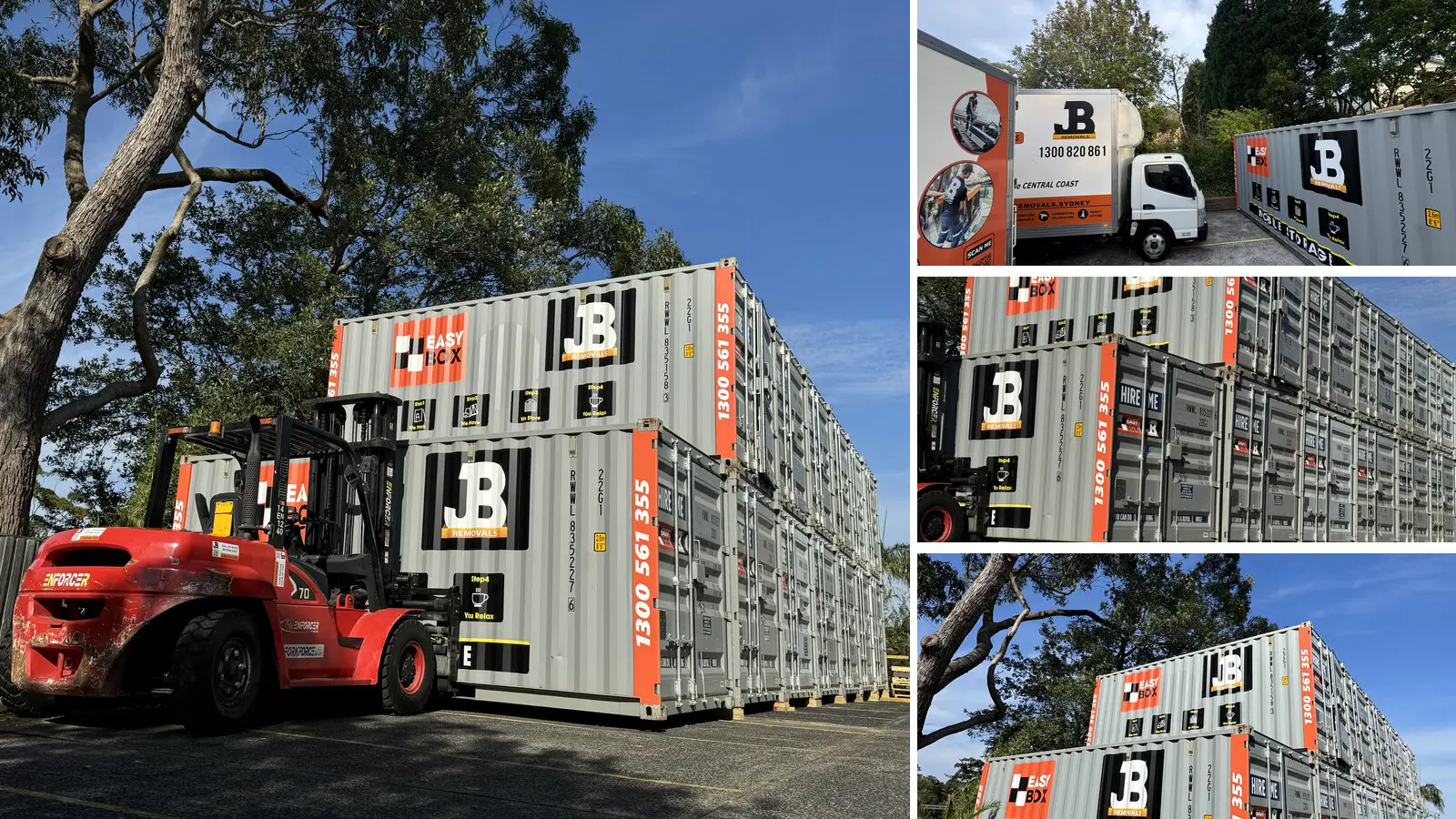
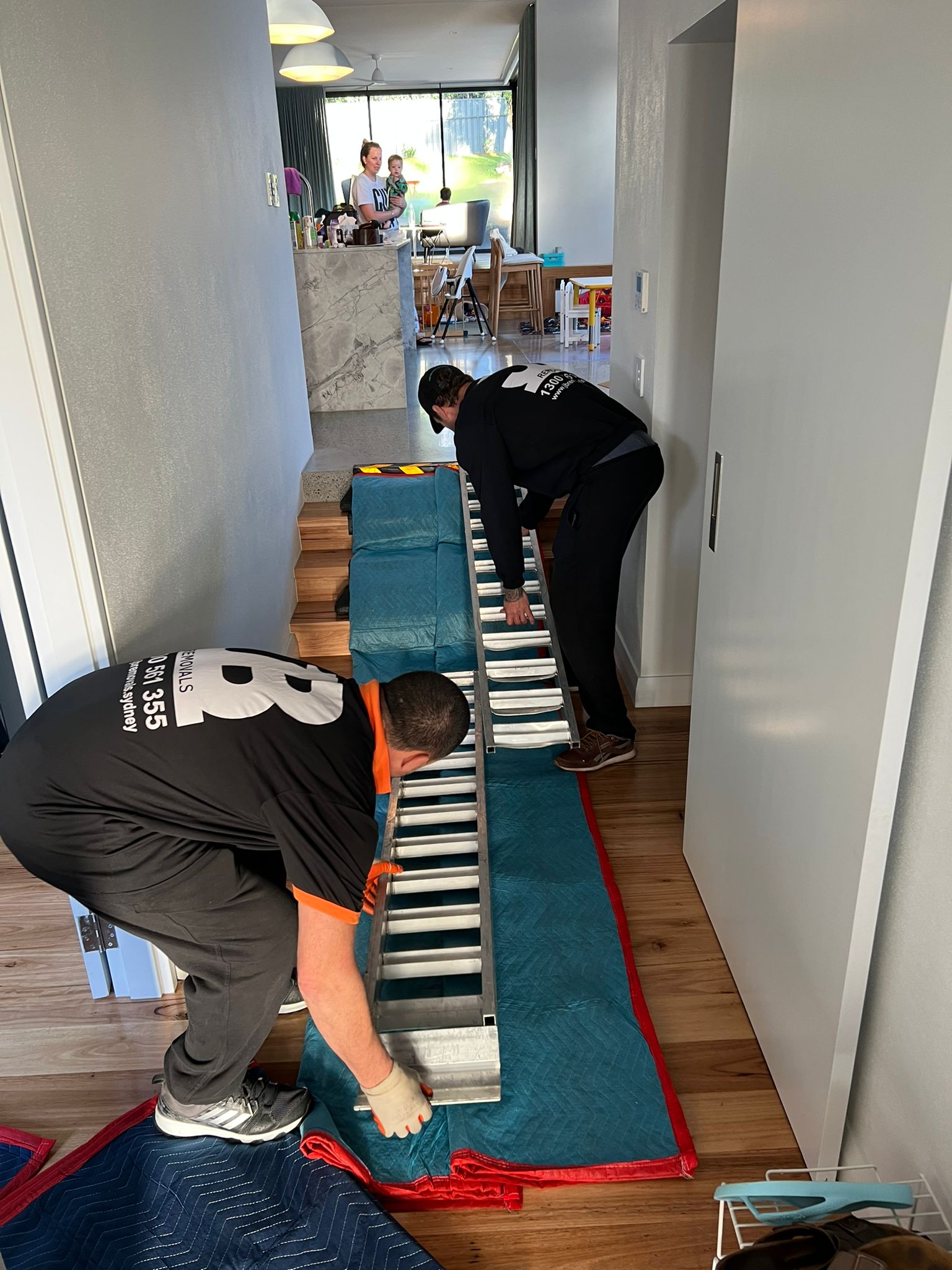
Stair-climber equipment for difficult internal access.EasyBox mobile storage prepared for collection and storage.Commercial lifting equipment for difficult-access items.A secured load guided through a staircase.Route planning before a heavy stair move.Powered equipment controlling a commercial load.A safe secured before transport.Floor protection and ramps prepared before lifting.
Book professional removalists in Sydney
Preparation makes a major difference, but the right moving company matters too. JB Removals handles residential moves throughout Sydney and can plan for apartments, houses, multiple pickups, storage, difficult access and specialist heavy items.
With a fleet of more than 25 trucks, mobile storage options, professional furniture protection and advanced equipment for demanding lifts, JB Removals can match the vehicle, crew and handling method to the real requirements of your move. Packing, wrapping, dismantling and reassembly can also be planned as part of the service when confirmed in advance.
When you are ready to confirm your move, book JB Removals online or request a removalist quote. Provide a complete inventory, photographs of difficult access and details of any item over approximately 100 kilograms. The more accurate the information, the more accurately the JB team can prepare.
Do I need to empty drawers before removalists arrive?
Yes, most drawers should be emptied. Contents add weight and can shift, damage the furniture or make it unsafe to carry. Ask your removalist about lightweight clothing in sturdy drawers, as the correct approach depends on the furniture and the move.
Should everything be packed before the removalists arrive?
Yes, unless you have booked a packing service. Loose belongings slow the move and are harder to protect and stack safely. All boxes should be closed, taped and labelled before loading begins.
Will Sydney removalists dismantle furniture?
Many removalists can dismantle standard furniture if the service is arranged in advance. Confirm exactly what is included in your booking. Complex, antique or flat-pack furniture may require special instructions or additional time.
How should I prepare a fridge for moving?
Empty and switch off the fridge, defrost it, dry the interior and secure loose shelves. Follow the manufacturer’s instructions for transport and for how long to wait before switching it back on at the new home.
What should I carry with me instead of putting on the truck?
Keep identification, property documents, medication, keys, cash, jewellery, small valuables, phones, laptops, chargers and irreplaceable sentimental items with you.
Do I need to reserve parking for removalists in Sydney?
You need to ensure the truck has lawful and practical access at both properties. Requirements vary by street, council and building. Check parking restrictions, loading zones, strata rules and loading-dock procedures well before moving day.
What should I tell removalists about apartment access?
Provide lift-booking times, loading-dock instructions, height limits, access-card requirements, building contacts, moving-hour restrictions and the distance from parking to your unit. Confirm whether the building requires protective lift covers or documentation.
What happens if I have more furniture than I originally listed?
Extra volume can require more time, a larger truck or an additional trip. Contact the removalist as soon as the inventory changes so the crew and vehicle can be reviewed before moving day.
Can removalists move pianos, safes and marble tables?
Specialist removalists can move many heavy items, but these must be disclosed in advance. Provide photographs, measurements, approximate weight and access details so the correct crew and equipment can be allocated.
How can I reduce the cost of a house move?
Declutter, finish packing, label boxes, empty furniture, prepare appliances, reserve close truck access and disclose the complete inventory. These actions reduce avoidable handling time while helping the crew work safely.