
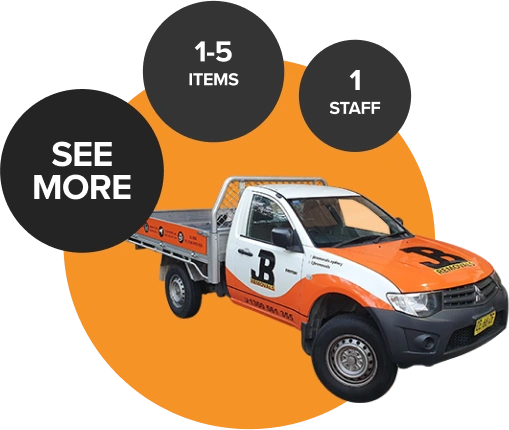
 Small-load option
A few items
JB Ute
One mover
Single-item collections, a few pieces of furniture and small local loads.
View specifications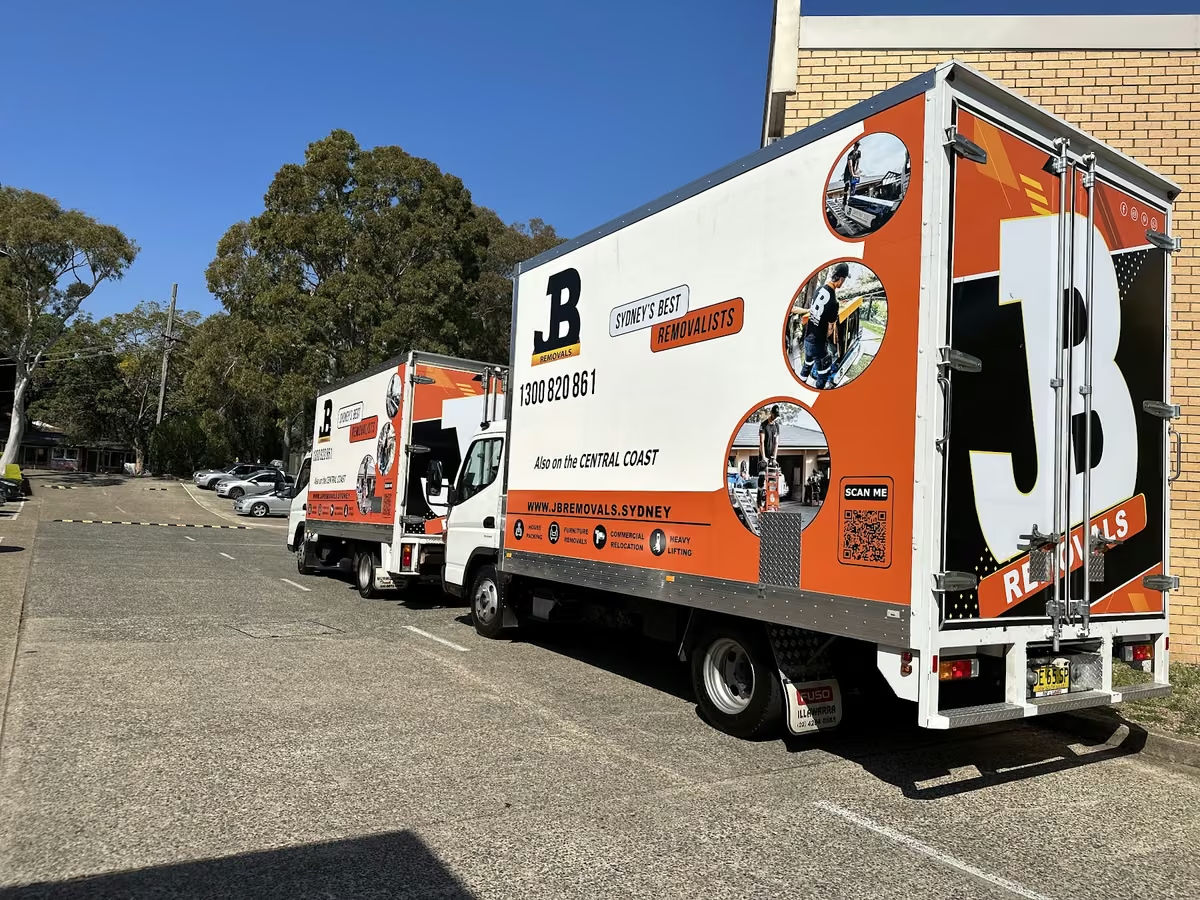
Match the starting vehicle, crew and equipment to the actual inventory, access and moving conditions.
Demand is not availability. JB confirms every preferred date after reviewing the request.
Search this page for truck sizes, estimated moving time, crews, difficult access, packing, specialist items and booking help.
Use the selector above for a starting recommendation, then continue browsing every available option. Exact specifications remain in the full fleet listing below.
Small-load optionSingle-item collections, a few pieces of furniture and small local loads.
View specifications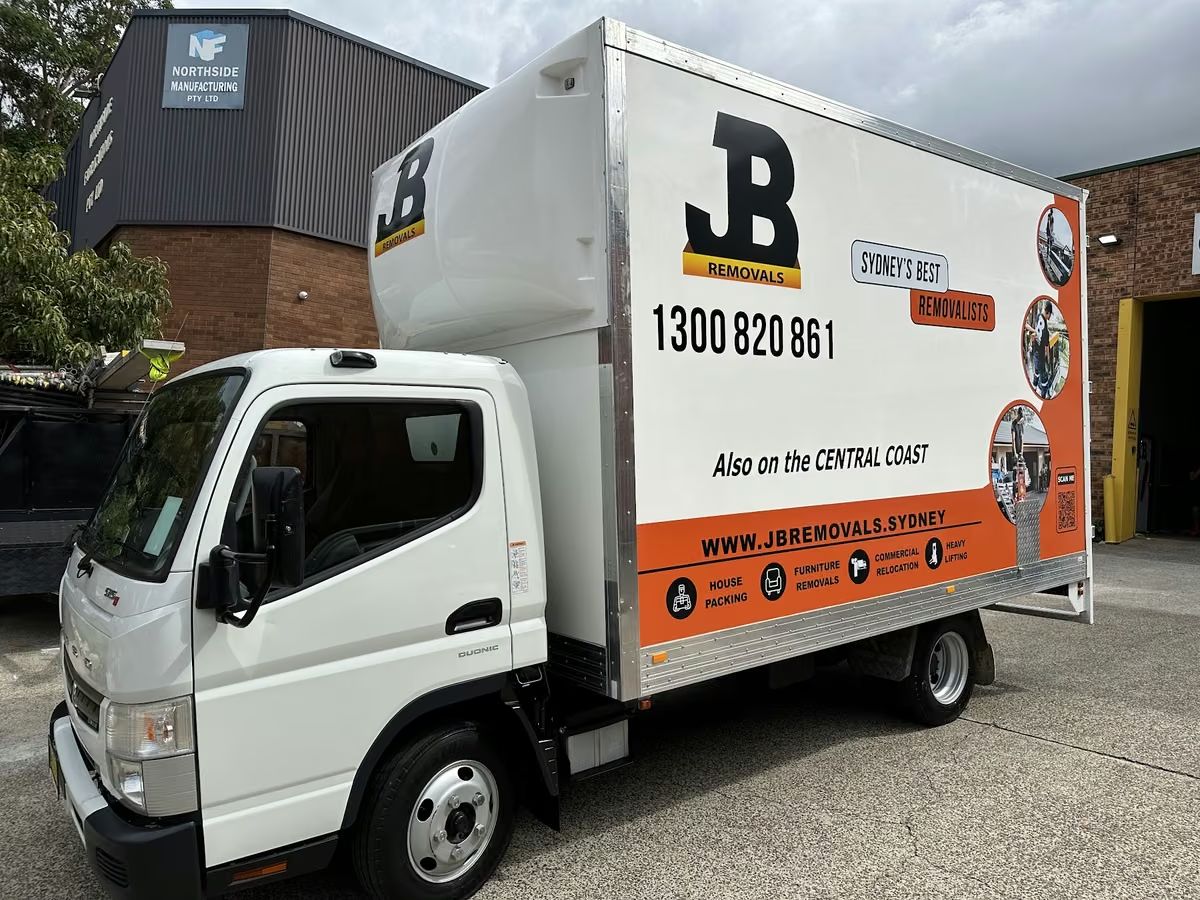 Approximately 20 m³
One-bedroom units, standard two-bedroom units and smaller two-bedroom homes, subject to the complete inventory.
View specifications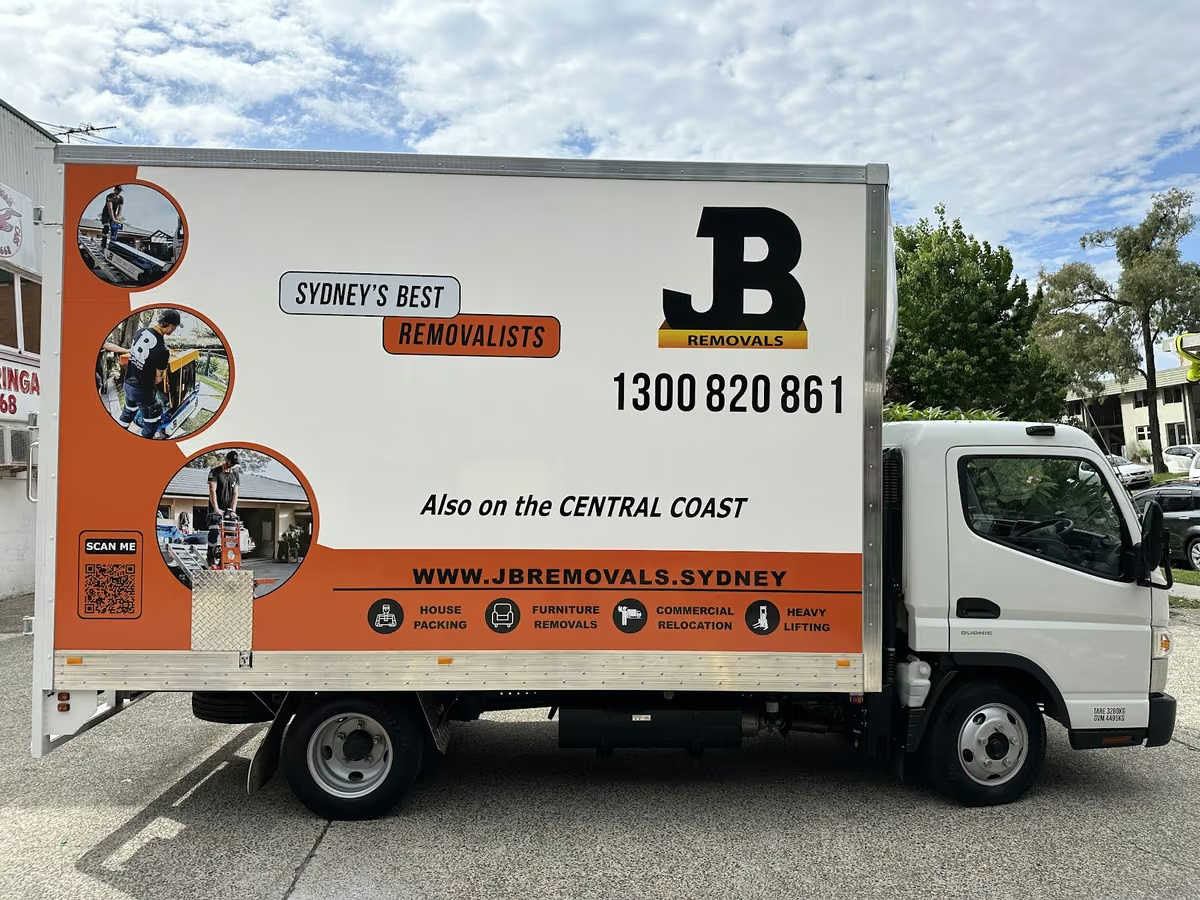 Approximately 25–30 m³
Two-bedroom units with a study, storage cage, garage, balcony contents or a larger furniture and box inventory.
View specifications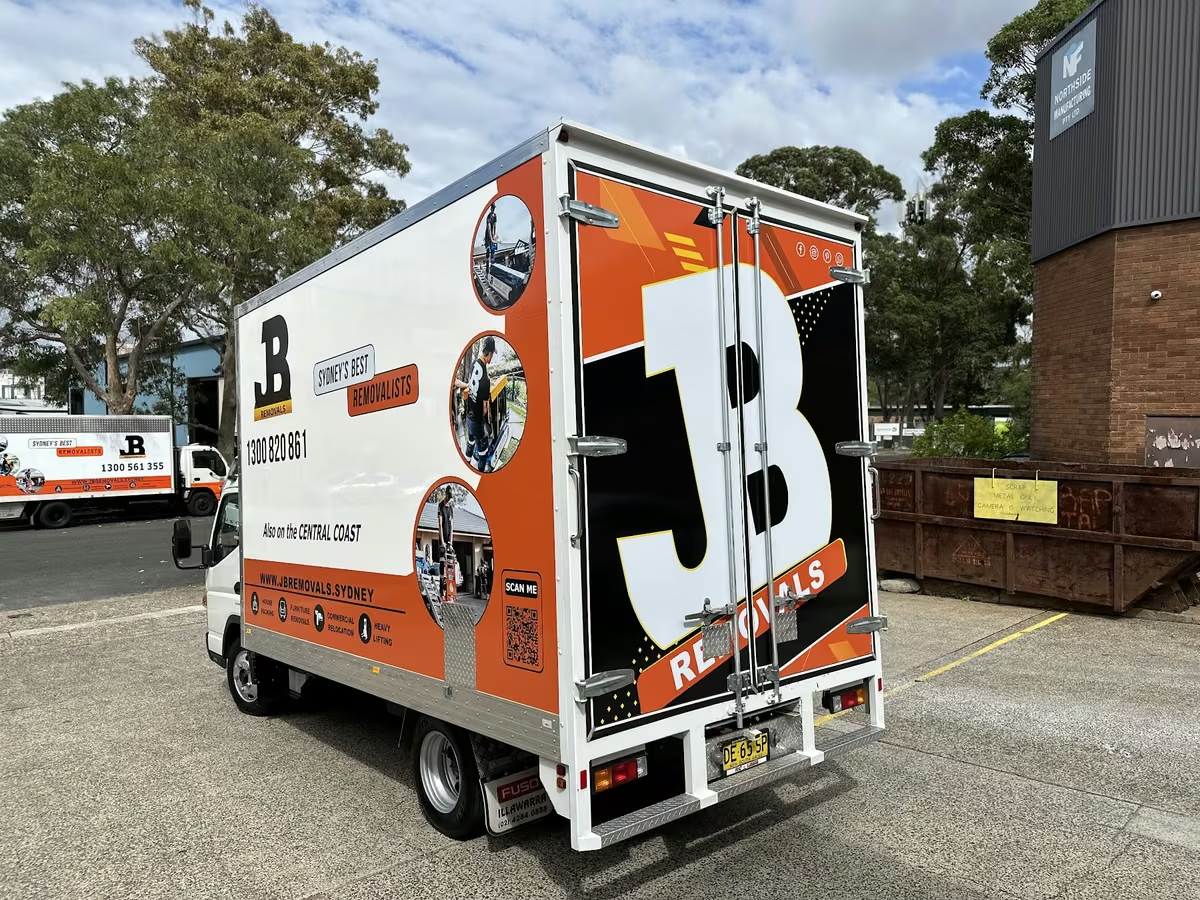 Approximately 35 m³
Standard three-bedroom houses, lighter four-bedroom inventories and smaller offices.
View specifications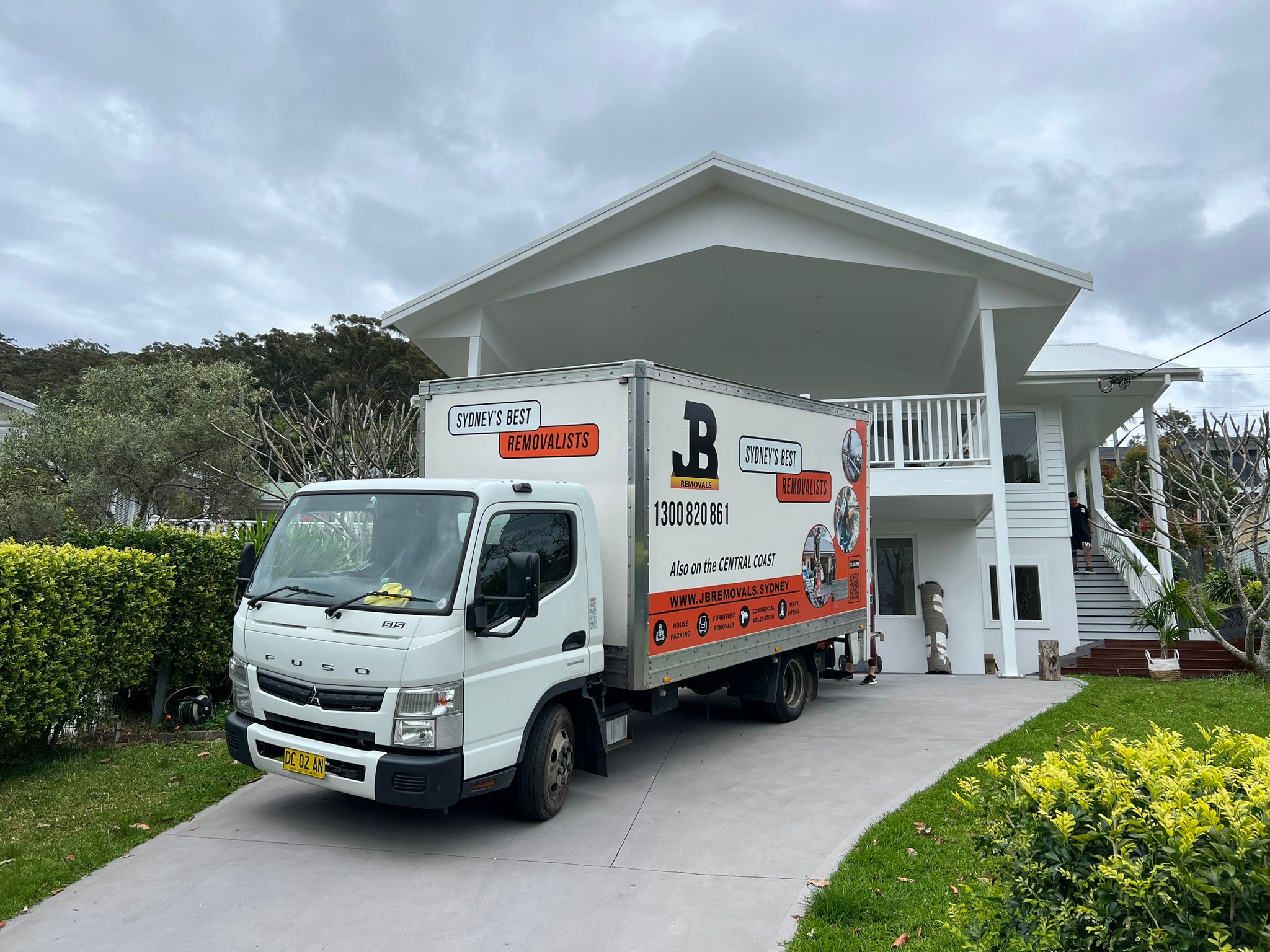 Approximately 40 m³
Larger three-bedroom inventories, many four-bedroom moves and medium office relocations where 35 m³ is unlikely to be sufficient.
View specifications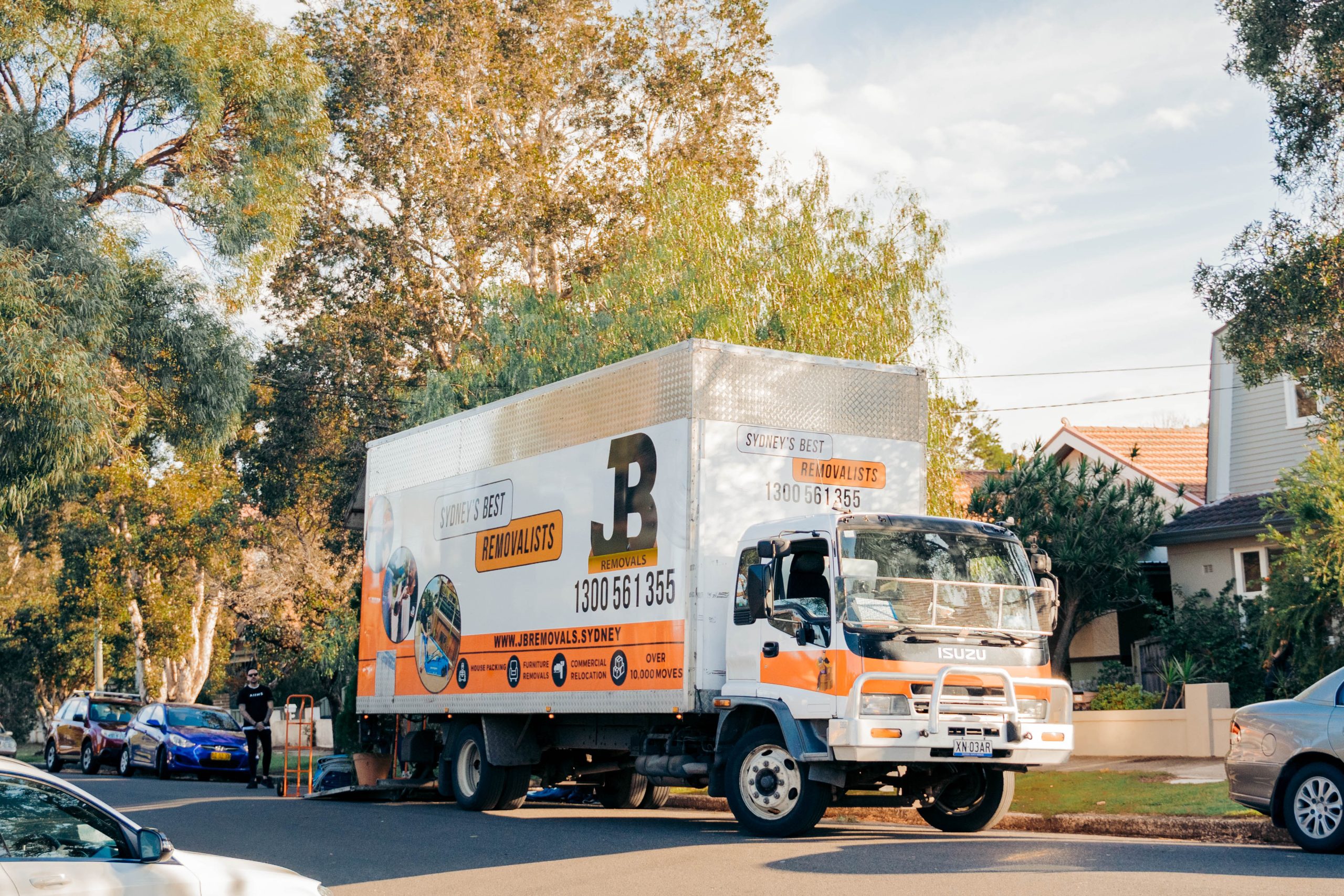 Approximately 60 m³
Full four-bedroom homes, larger homes, substantial inventories and larger office relocations.
View specifications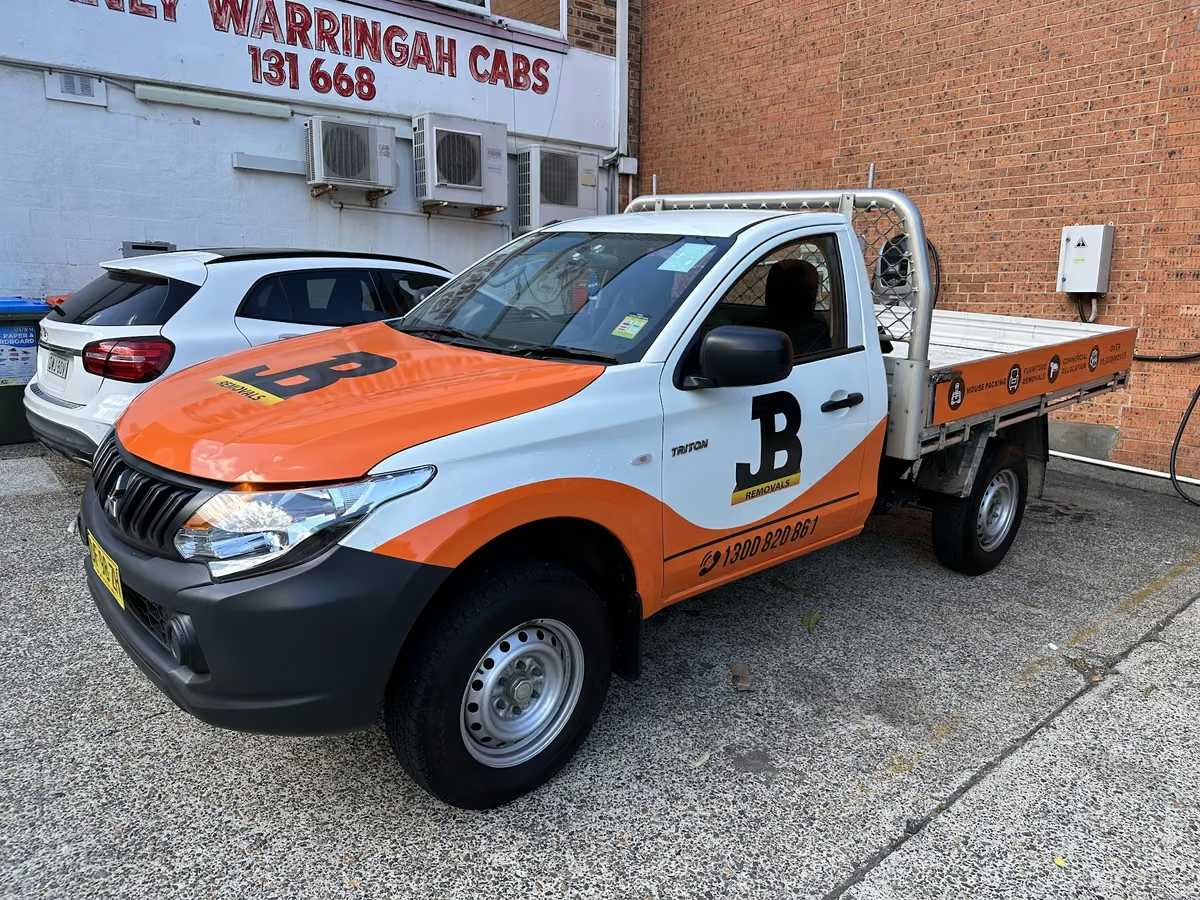 Open flatbed
Specialist, oversized, palletised or commercial items where an enclosed pantech is not appropriate.
View specifications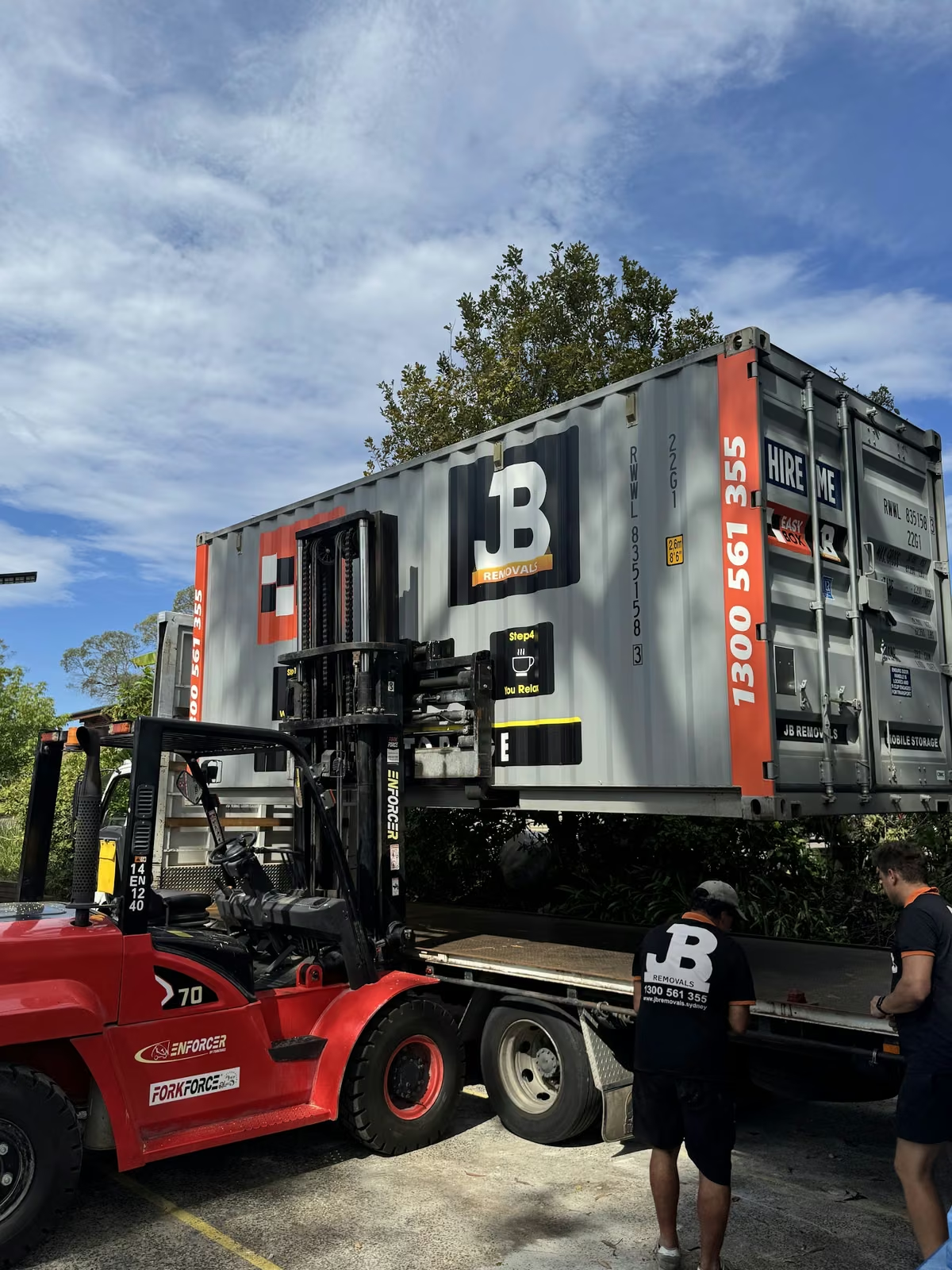 Heavy open flatbed
Larger or heavier commercial, machinery, factory and specialist loads after a site assessment.
View specifications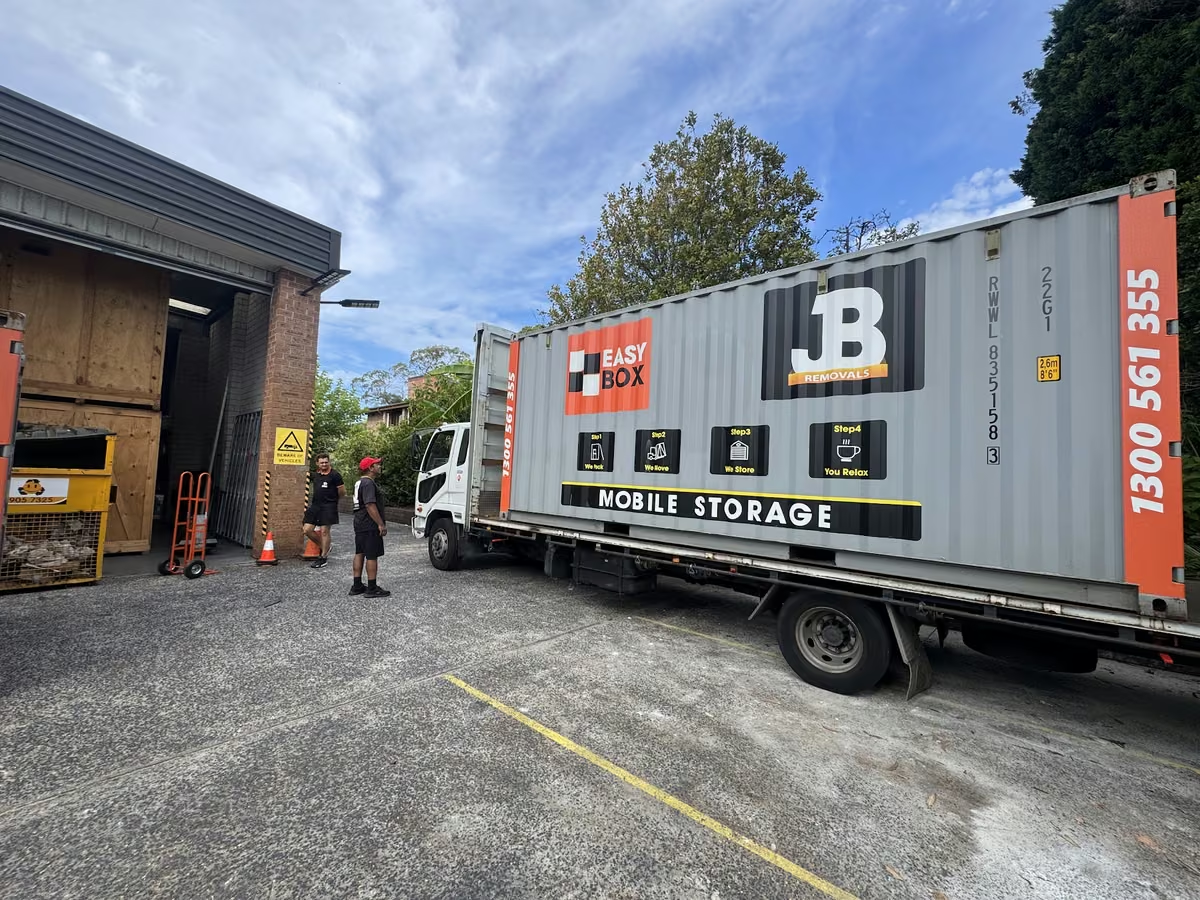 Managed storage module
Storage in transit, renovation storage and coordinated collection, storage and redelivery.
View specificationsCapacity, property-size and crew examples are indicative. Pantech volume can vary by the allocated truck body. Final recommendations depend on the complete inventory, access, distance and move requirements.
See our vehicles, crew and equipment in operation around Sydney.
Crew size is matched to the inventory, access, specialist items and time requirements. Adding the right people can be more efficient than extending a move with an under-sized crew.
JB Removals plans protection for furniture and specialist items before loading. The required wrapping and handling method depends on the item, journey and access.
Vehicle clearance, parking, loading distance, stairs, lifts, loading docks and steep approaches can change the right truck and crew plan.
Pianos, safes, heavy furniture, machinery, factories and warehouses may require specialist equipment and trained operators in addition to the transport vehicle.
Furniture, boxes, appliances, outdoor items, garage items and storage contents.
Pianos, safes, heavy furniture, machinery and other specialist items.
Stairs, lifts, corridors, loading docks, driveways and clearance.
Legal parking and distance to the property affect loading time and planning.
Multiple vehicles, staged loading or additional crew may create a better plan.
A compact truck can be more practical where clearance, street width or parking restricts a larger vehicle. JB reviews inventory and access together.
The household inventory and piano should be assessed together. JB can plan the truck, crew, wrapping and specialist equipment as one coordinated service.
Commercial moves may require higher-capacity vehicles, staged loading, coordinated crews and access planning around loading docks, lifts or operating hours.
These are real JB Removals fleet and operational photographs. Capacity is shown in cubic metres so customers can compare the vehicle to their actual inventory.
JB plans access, vehicle capacity, crew, equipment, wrapping and weather protection together so the move can be handled carefully and efficiently.
Truck tonne class and cubic capacity describe different things. The tonne label identifies the vehicle class or mass rating; it does not tell you exactly how much furniture will fit. Cubic metres (m³) describe the approximate enclosed body space available for household goods.
Payload is the legal weight the vehicle can carry after allowing for the vehicle itself. A move can reach a space limit or a weight limit first, especially with dense items such as books, safes, machinery or large appliances. JB therefore checks inventory, weight, access and the allocated truck body before confirming the vehicle.
Compare moving trucks by the actual body capacity in cubic metres, vehicle type, access suitability and crew plan—not the tonne label alone.
Ask any moving company to confirm the truck body capacity in cubic metres, the vehicle type being supplied, whether a second trip or combined trucks may be required, and whether the quoted crew matches the inventory and access.
Single-item collections, a few pieces of furniture and small local loads.
A practical starting option when a full removal truck is unnecessary. JB still considers item size, weight, weather protection and access.
One-bedroom units, standard two-bedroom units and smaller two-bedroom homes, subject to the complete inventory.
A useful enclosed starting point when the inventory fits within approximately 20 m³ and access suits the vehicle.
Two-bedroom units with a study, storage cage, garage, balcony contents or a larger furniture and box inventory.
A step up from 20 m³ without automatically moving to one of JB’s largest trucks. The quote confirms the allocated body capacity.
Standard three-bedroom houses, lighter four-bedroom inventories and smaller offices.
A balanced household and commercial option where approximately 35 m³ is sufficient. Heavily furnished homes require assessment.
Larger three-bedroom inventories, many four-bedroom moves and medium office relocations where 35 m³ is unlikely to be sufficient.
Additional enclosed capacity can reduce unnecessary trips when the property, route and parking can accommodate the vehicle.
Full four-bedroom homes, larger homes, substantial inventories and larger office relocations.
A high-volume enclosed option. If inventory exceeds 60 m³, JB can coordinate two or more suitable trucks.
Specialist, oversized, palletised or commercial items where an enclosed pantech is not appropriate.
JB confirms item weight, dimensions, restraint, loading method, access and weather requirements before allocation.
Larger or heavier commercial, machinery, factory and specialist loads after a site assessment.
JB verifies weight, dimensions, loading and unloading methods, restraint, access and site requirements.
Storage in transit, renovation storage and coordinated collection, storage and redelivery.
JB coordinates the module, carrying vehicle, handling equipment, storage and redelivery around the booking.
| Fleet option | Approximate capacity | Typical move | Starting crew | Access or planning advantage |
|---|---|---|---|---|
| JB Ute | Small-load option | Single-item collections, a few pieces of furniture and small local loads. | One mover | A practical starting option when a full removal truck is unnecessary. JB still considers item size, weight, weather protection and access. |
| 3-Tonne Pantech | Approximately 20 m³ | One-bedroom units, standard two-bedroom units and smaller two-bedroom homes, subject to the complete inventory. | Two movers | A useful enclosed starting point when the inventory fits within approximately 20 m³ and access suits the vehicle. |
| 4-Tonne Pantech | Approximately 25–30 m³ | Two-bedroom units with a study, storage cage, garage, balcony contents or a larger furniture and box inventory. | At least two movers | A step up from 20 m³ without automatically moving to one of JB’s largest trucks. The quote confirms the allocated body capacity. |
| 6-Tonne Pantech | Approximately 35 m³ | Standard three-bedroom houses, lighter four-bedroom inventories and smaller offices. | At least two movers | A balanced household and commercial option where approximately 35 m³ is sufficient. Heavily furnished homes require assessment. |
| 40 m³ Pantech | Approximately 40 m³ | Larger three-bedroom inventories, many four-bedroom moves and medium office relocations where 35 m³ is unlikely to be sufficient. | At least two movers | Additional enclosed capacity can reduce unnecessary trips when the property, route and parking can accommodate the vehicle. |
| 60 m³ Pantech | Approximately 60 m³ | Full four-bedroom homes, larger homes, substantial inventories and larger office relocations. | At least two movers, with additional crew commonly considered | A high-volume enclosed option. If inventory exceeds 60 m³, JB can coordinate two or more suitable trucks. |
| 4-Tonne Flatbed | Open flatbed | Specialist, oversized, palletised or commercial items where an enclosed pantech is not appropriate. | At least two movers | JB confirms item weight, dimensions, restraint, loading method, access and weather requirements before allocation. |
| 12-Tonne Flatbed | Heavy open flatbed | Larger or heavier commercial, machinery, factory and specialist loads after a site assessment. | At least two movers plus specialist operators as required | JB verifies weight, dimensions, loading and unloading methods, restraint, access and site requirements. |
JB Removals can allocate different vehicle types and combine trucks to suit household, office, warehouse and specialist moves. Vehicle availability is confirmed for the moving date, location, inventory and access requirements.
Crew options: 1 mover with a ute, or 2–8 movers with truck services when required. Need more than 60 m³? JB can combine suitable trucks and scale the crew for the move. The final allocation remains subject to availability.
The right crew can reduce handling pressure and total moving time. These are starting recommendations only. JB confirms the team after reviewing the complete inventory, access, carrying distance, stairs or lifts, heavy items, packing status, timing and number of trucks required.
| Move type | Recommended starting crew | Important qualification |
|---|---|---|
| Ute or a few-item move | 1 mover | Weight, dimensions and access must suit one person. |
| One-bedroom unit | 2 movers and a truck | Starting recommendation for a professionally prepared move. |
| Two-bedroom unit or home | 2 movers and a truck | Study, storage, garage, stairs or larger inventory may change it. |
| Three-bedroom house | 3–4 movers recommended | The 6–8-hour guide uses three movers and professional preparation. |
| Four-bedroom house | 3–4 movers recommended | A full home may require 60 m³, more time or crew. |
| Five- or six-bedroom home | 5–6 movers recommended | Combined trucks or a staged plan may be required. |
| Warehouse, factory or complex commercial move | Site inspection required | JB must assess trucks, tools, operators, crew, access and duration. |
Flexible crews: JB truck services start with two movers and can scale to three, four, five, six, seven or eight movers when required. A ute service can start with one mover.
Use this free moving-time and truck-size planning tool to choose a home size, compare an indicative moving-time range, see the likely starting truck capacity and crew, and learn how access or weather may change the plan. The guide is informed by patterns JB Removals has observed while selling and planning more than 20,000 removal jobs.
The displayed range is the base planning guide. It assumes professional packing is complete, beds and agreed furniture are dismantled, items are wrapped and ready to load, lawful truck parking is close, and ordinary access is available.
Travel note: For travel beyond approximately 10–15 km, JB also considers route distance, current traffic, travel time and applicable tolls.
Choose a bedroom label, then add the access and weather conditions that apply.
Select only the conditions that apply. The result updates immediately.
Free planning guide only—not a fixed quote or guaranteed completion time. Access and weather percentages are JB owner-supplied operational allowances. When several conditions overlap, JB reviews their combined effect instead of automatically multiplying every percentage.
Two homes with the same number of bedrooms can require different trucks. Count furniture, packed boxes, appliances, wardrobes, balcony items, garage or shed contents, storage cages and specialist items. Large, fragile or awkward pieces may also reduce the usable space because they cannot always be stacked tightly.
| Home size | Indicative time | Crew | Truck starting point | Qualification |
|---|---|---|---|---|
| One-bedroom unit | 2.5–3.5 hours | 2 movers | 3-tonne / approximately 20 m³ pantech | Pickup and delivery within approximately 10–15 km; professional packing complete; agreed furniture dismantled, wrapped and ready; suitable access and parking. |
| Two-bedroom unit or smaller home | 3.5–5.5 hours | 2 movers | 3-tonne / approximately 20 m³ pantech | A study, storage cage, garage, balcony contents or larger box count can move the recommendation to the approximately 25–30 m³ class. |
| Three-bedroom house | 6–8 hours | 3–4 movers | 6-tonne / approximately 35 m³ pantech | The base range uses three movers and professional preparation. Inventory and access must still be checked. |
| Four-bedroom house | Approximately 6–10 hours | 3–4 movers | 35 m³ or 40 m³ for lighter inventory; 60 m³ for a full home | A lighter prepared inventory may align with the lower guide. A full or heavily furnished home may need 60 m³. JB confirms inventory, access and capacity. |
| Five-bedroom home | 8–10 hours | 5–6 movers | 60 m³ pantech; combined trucks considered when required | JB must confirm complete volume, access and whether multiple vehicles create a better plan. |
| Six-bedroom home | Custom estimate | 5–6 movers as a starting recommendation; up to 8 if required | 60 m³ plus a possible combined-truck or staged plan | No generic hour range is supplied because inventory, specialist items, access and truck combinations can vary substantially. |
This free guide is based on JB Removals’ experience selling and planning more than 20,000 removal jobs, together with the real fleet capacities and operating assumptions shown on this page. The bedroom ranges are starting guides for professionally prepared moves. JB confirms the plan from the inventory, access at both addresses, carrying distance, route, specialist items, packing status and the allocated vehicle.
Results are indicative and are not a fixed quote, guaranteed completion time, confirmed vehicle or availability promise.
The right truck depends on the complete inventory and access at both properties, not bedroom count alone. As a starting guide, JB uses a 20 m³ pantech for many one-bedroom and standard two-bedroom unit moves, a 25–30 m³ pantech when a two-bedroom move also includes a study or substantial storage, a 35 m³ pantech for many three-bedroom and lighter four-bedroom moves, a 40 m³ pantech for larger inventories and a 60 m³ pantech for full four-bedroom and larger homes. JB confirms the recommendation after reviewing the complete inventory.
Often, yes. JB’s 3-tonne pantech is approximately 20 m³ and is the starting recommendation for many one-bedroom and standard two-bedroom unit moves with two movers. A study, storage cage, garage, balcony, large box count or heavier furniture inventory can require the larger class.
JB’s starting guide is a 4-tonne pantech in the approximately 25–30 m³ class with at least two movers. The exact cubic capacity depends on the allocated truck body, so JB reviews the full inventory before confirming the vehicle.
A 6-tonne pantech of approximately 35 m³ is the starting point for many three-bedroom homes and lighter four-bedroom inventories. A larger or fully furnished four-bedroom home may require the 40 m³ or 60 m³ pantech. Access and the actual inventory decide the final recommendation.
JB can combine suitable trucks or plan the move in stages. The correct combination depends on the inventory, access at both properties, loading sequence, travel and crew requirements. The largest single vehicle is not automatically the most efficient solution.
No. Street width, legal parking, building clearance, trees, loading docks, steep driveways and carrying distance can restrict a large truck. In some locations, a smaller vehicle or staged plan is safer and more efficient.
Not always. The best plan depends on access, travel, loading time, crew requirements and whether the larger truck can park safely near both properties. JB compares the overall moving plan rather than recommending the largest truck automatically.
JB considers inventory, truck size, stairs or lifts, carrying distance, oversized items, dismantling requirements, timing restrictions and work at both addresses. A ute can start with one mover. Pantech and flatbed services start with at least two movers, and JB can scale the team to three, four, five, six, seven or eight.
JB can assess a household move together with a piano, safe or other heavy item. Item dimensions and weight, access, wrapping, specialist equipment and operator requirements must be reviewed before the truck and crew are confirmed.
They should. A useful estimate includes furniture, packed boxes, appliances, outdoor furniture, garage contents, storage-cage contents and specialist items. JB primarily moves furniture and packed movable goods, not loose contents left inside wardrobes, drawers or cabinets.
Every warehouse, factory and complex commercial relocation requires a site inspection before JB confirms the plan. The inspection identifies the correct pantechs or flatbeds, combined trucks, lifting tools, loading method, operators, crew, work sequence and expected duration.
 4.7 out of 5
1,336 Google reviews
Send JB Removals your inventory, pickup and delivery addresses, access details and preferred moving date. Our team will recommend the truck, crew and equipment for the move.
FAST, FREE MOVING ENQUIRY
Need to provide the complete inventory and access details? Use the detailed moving plan →
SEARCH OR TALK TO JB