For a standard local move in Sydney, a useful 2026 market benchmark is about $120–$205 per hour for two movers and a truck. That is only a starting point. The total can change substantially with the amount being moved, the crew and truck required, travel, stairs or lifts, parking, carrying distance, heavy items, packing and storage.
Current Sydney cost guides place a studio or one-bedroom local move at roughly $350–$800, a two-bedroom move at about $600–$1,400, a three-bedroom move at around $900–$2,300, and a four-bedroom move at approximately $1,400–$3,500 or more. These are broad planning ranges, not fixed JB prices. Two homes with the same number of bedrooms can contain very different volumes and have completely different access.
The fastest way to obtain a useful estimate is to provide both addresses, an honest inventory, photographs of the access, the move date and every heavy or unusual item. You can start with JB’s free moving calculator or request a detailed written quote.
Sydney removalist cost at a glance
Move or charging unit
2026 Sydney planning range
What can change it
Two movers and a truck
About $120–$205 per hour
Truck size, minimum time, travel basis, GST, access and inclusions
Studio or one bedroom
About $350–$800 total
Inventory, lift or stairs, parking, travel and packing readiness
Two bedrooms
About $600–$1,400 total
Volume, crew, truck, dismantling and carrying distance
Three bedrooms
About $900–$2,300 total
Number of movers, access at both homes and specialist items
Four bedrooms or more
About $1,400–$3,500+ total
Site inspection, larger crew or truck, multiple loads and packing
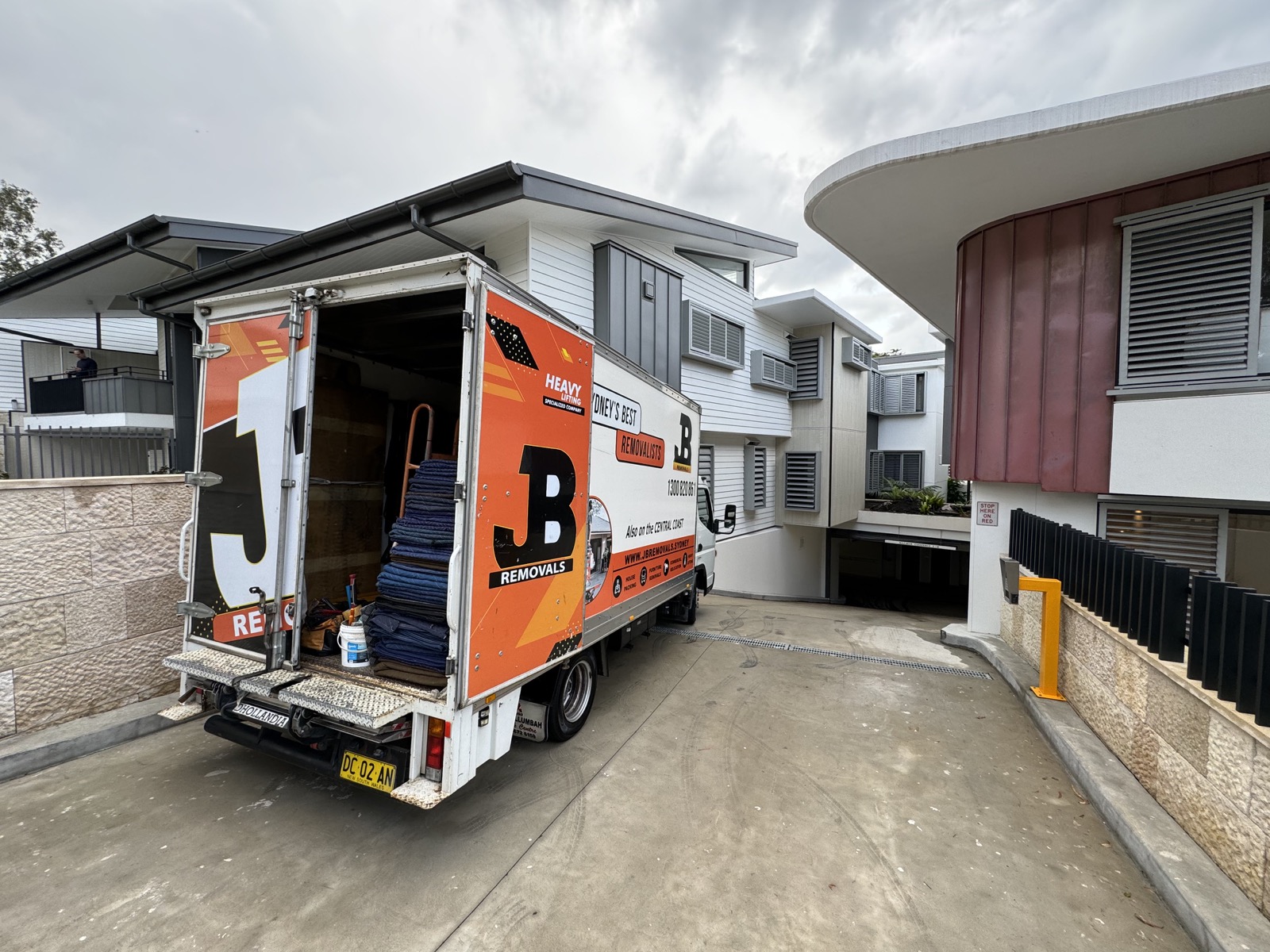
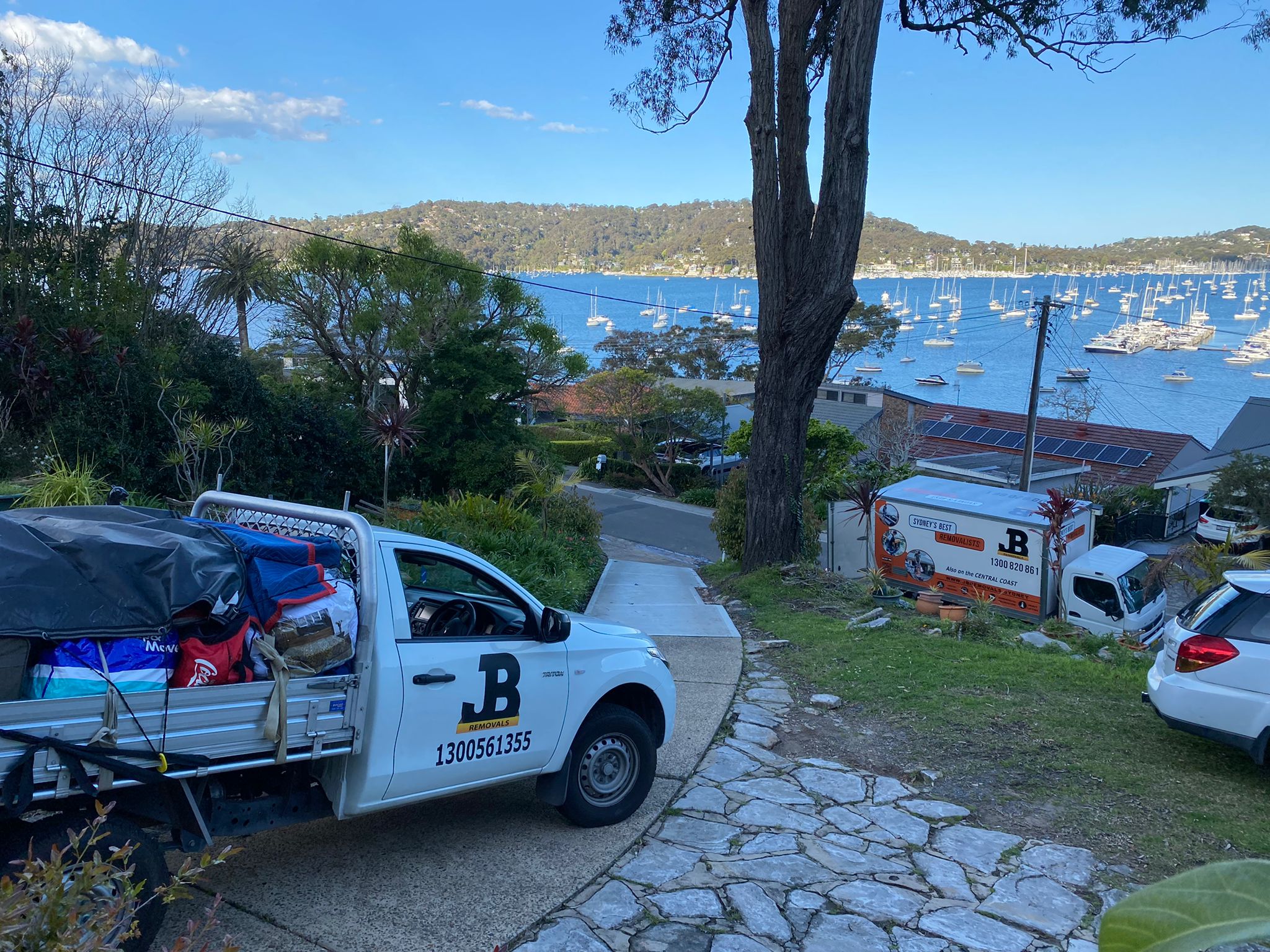
A suitable truck and crew can affect the total time and cost of a Sydney move.
These figures are market benchmarks compiled from current Australian cost guides. They are not a substitute for an itemised quote. Always check whether the quoted rate includes GST, travel time, tolls, fuel, parking, wrapping, dismantling, reassembly and a minimum booking period.
The hourly rate is not the final price
The cheapest advertised hourly rate does not always produce the cheapest move. Total cost is more useful:
Estimated total = chargeable time × hourly rate + disclosed travel or call-out charges + agreed extras + GST if excluded.
For example, a quote of $160 per hour over six chargeable hours produces a $960 subtotal. A quote of $200 per hour completed in four and a half hours produces a $900 subtotal. The higher hourly rate can finish with the lower bill if the job is better planned, the right truck arrives, the crew is suitable and avoidable delays are removed.
When comparing Sydney removalist prices, ask every company to quote the same inventory and access conditions. Otherwise, you are comparing different jobs.
What determines the cost of a Sydney move?
1. The actual inventory and volume
Bedroom count is only a shorthand. A lightly furnished three-bedroom apartment may require less truck space and labour than a packed two-bedroom home with a garage, balcony, storage cage and heavy outdoor furniture.
List furniture, cartons, appliances, garage contents, outdoor items and anything being collected from a second address. Photographs or a video walkthrough can help match the vehicle and crew to the real load.
2. Access at both addresses
Access affects how many minutes are needed for every trip between the property and the truck. Important details include:
the closest legal place for the truck to stop;
stairs, lift size and lift-booking windows;
loading docks and building-manager requirements;
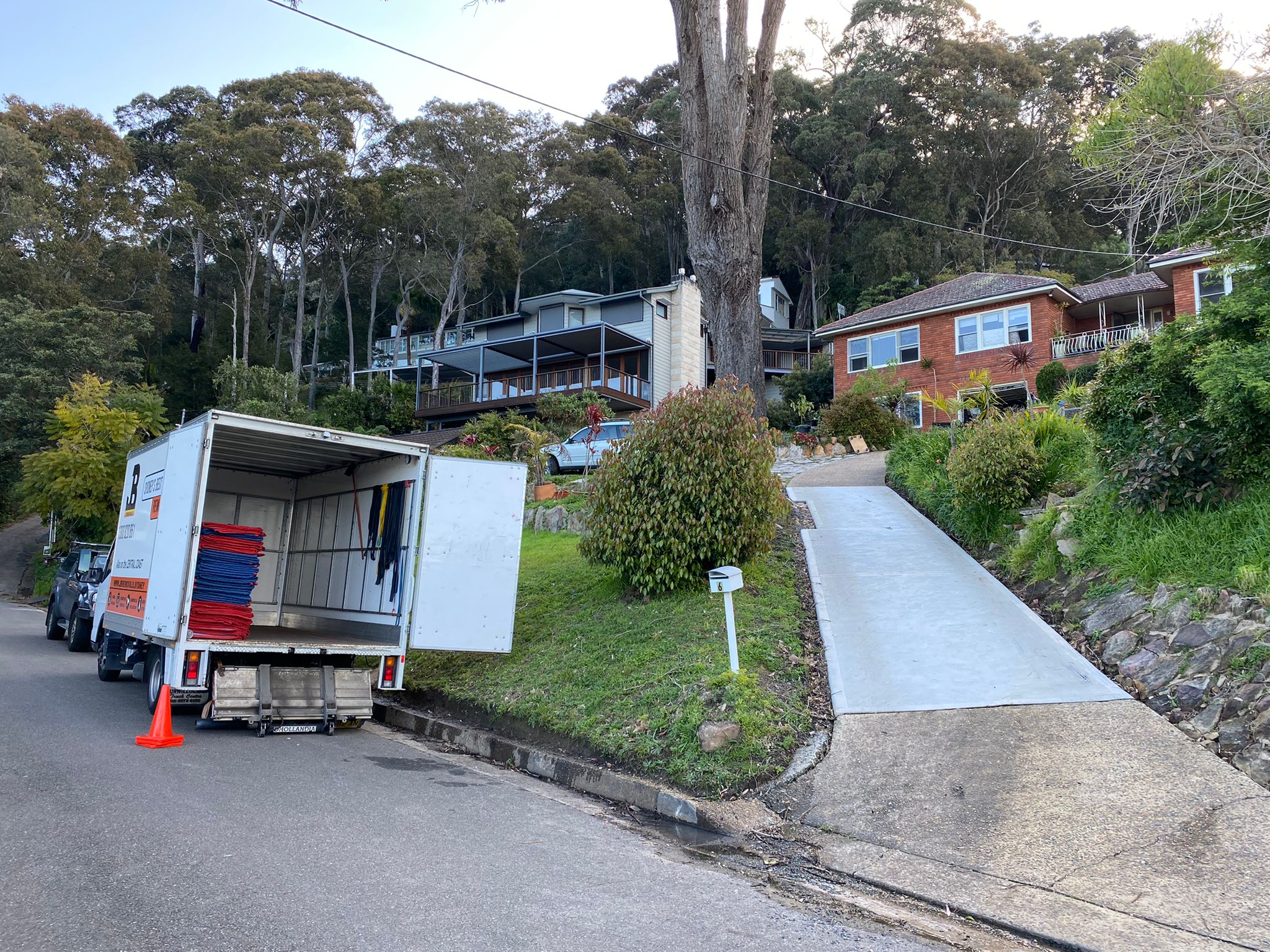
long corridors, steep driveways and narrow gates;
low branches, height limits, tight turns and street width; and
the distance from the truck to the front door.
A ten-metre carry and a seventy-metre carry are not the same job. Share access photographs before accepting a quote.
3. Distance, traffic, tolls and the travel basis
The distance between pickup and delivery matters, but so can travel from the company’s operating base. Some quotes include travel or tolls, while others list them separately. Ask when chargeable time begins, when it ends and whether return travel is included.
Sydney traffic can also turn a short route into a longer job. Building bookings and settlement times should leave a realistic buffer rather than forcing a crew to wait.
4. Crew and truck selection
Two movers and a truck is a common starting package, but it is not automatically the cheapest configuration for every move. A larger crew can cost more per hour and still reduce the total time on a large or difficult job. A truck that is too small can create a second trip; a truck that is too large may not fit the legal access.
JB’s truck range allows the move plan to be matched to the inventory and access rather than relying on one vehicle for every job.
5. Packing, dismantling and readiness
Loose items, open cartons and unfinished packing slow loading. Properly sealed and labelled cartons are safer and faster to move. Furniture that must be dismantled and rebuilt also adds work unless the quote expressly includes it.
Customers can self-pack, book partial help for fragile or time-consuming rooms, or arrange a full packing and unpacking service. JB’s box shop also offers packing materials and current delivery or collection options. Combining services through one provider can reduce separate supplier trips, administration and double-handling, although the right choice depends on the quote and the customer’s time.
6. Heavy, fragile and specialist items
Pianos, safes, stone tables, pool tables, commercial equipment and large artworks need to be declared before moving day. Weight is only one issue; dimensions, balance, route, stairs and floor protection also matter.
JB can assess heavy-item moving separately and select verified equipment where suitable. A standard household rate should not be assumed to cover specialist work.
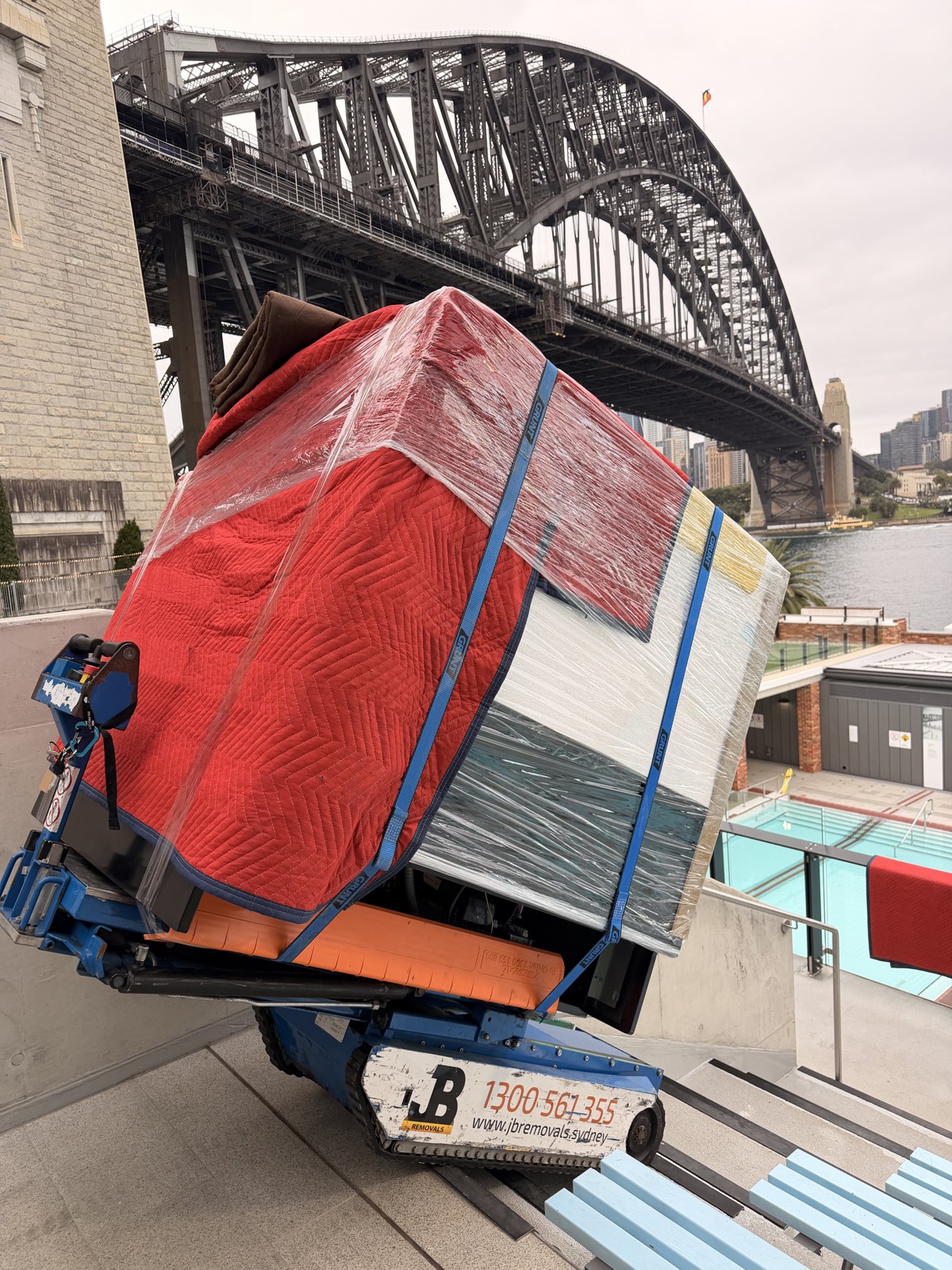
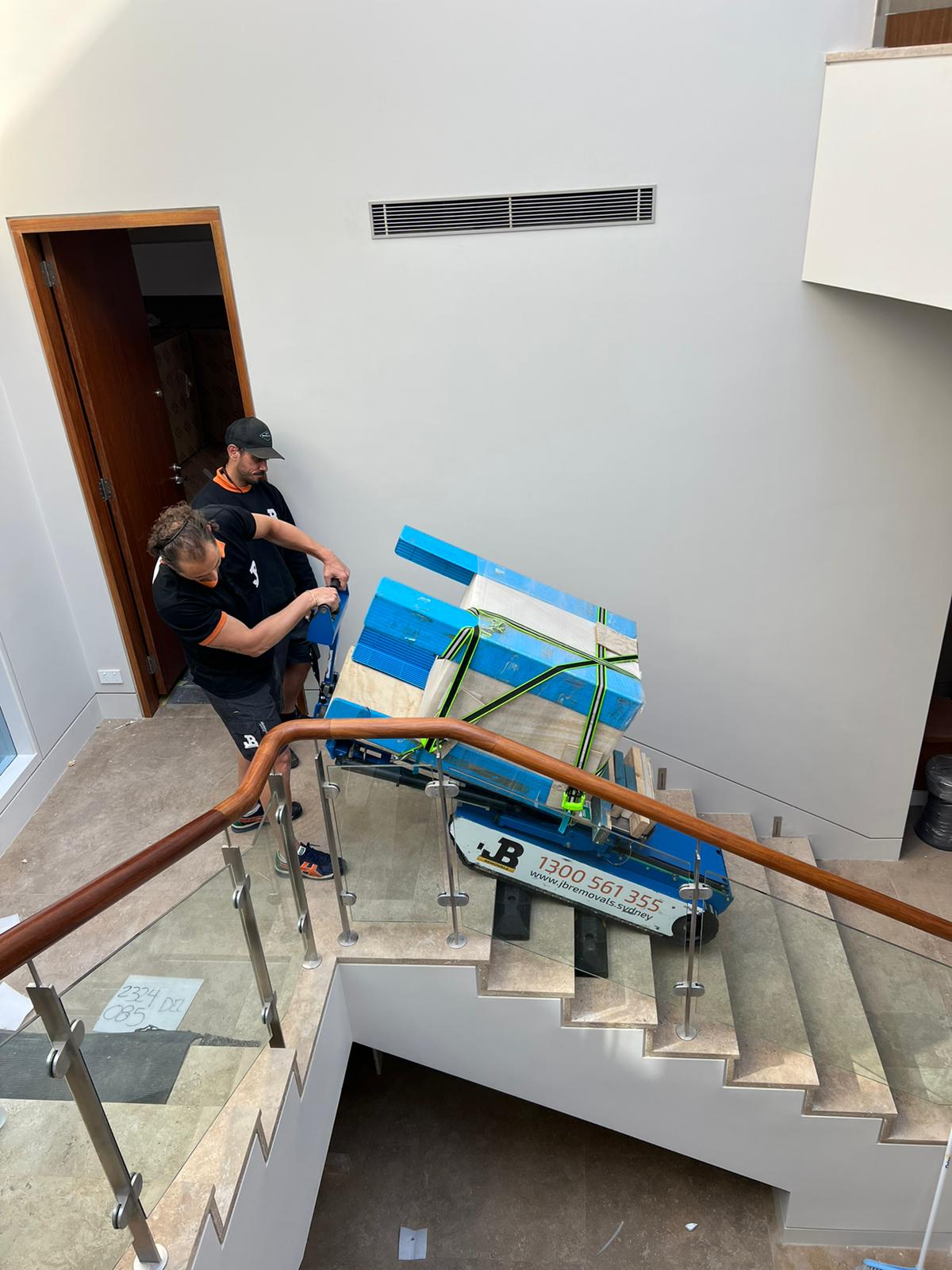
Heavy and oversized items may require specialist equipment, planning and crew.
7. Date and demand
Weekends, public holidays, end-of-month dates and short-notice moves can have tighter availability across the market. If the date is flexible, ask whether a weekday or mid-month booking changes the quote. Do not assume that an off-peak date is cheaper; have the company confirm it in writing.
8. Storage between properties
Settlement, renovations, lease timing or delayed access can create a storage gap. Traditional storage may require loading the truck, unloading into a unit and loading again for redelivery. A mobile container can sometimes reduce handling because it is packed, transported and stored as a unit.
JB offers EasyBox mobile storage and publicly lists storage facilities at Brookvale and West Gosford. The head office is in Dee Why. JB also services Bondi, Vaucluse, Rose Bay, the North Shore and the Northern Beaches. This coverage gives the team options when planning a move or storage stage, but any saving depends on the actual addresses, dates, volume and handling plan.
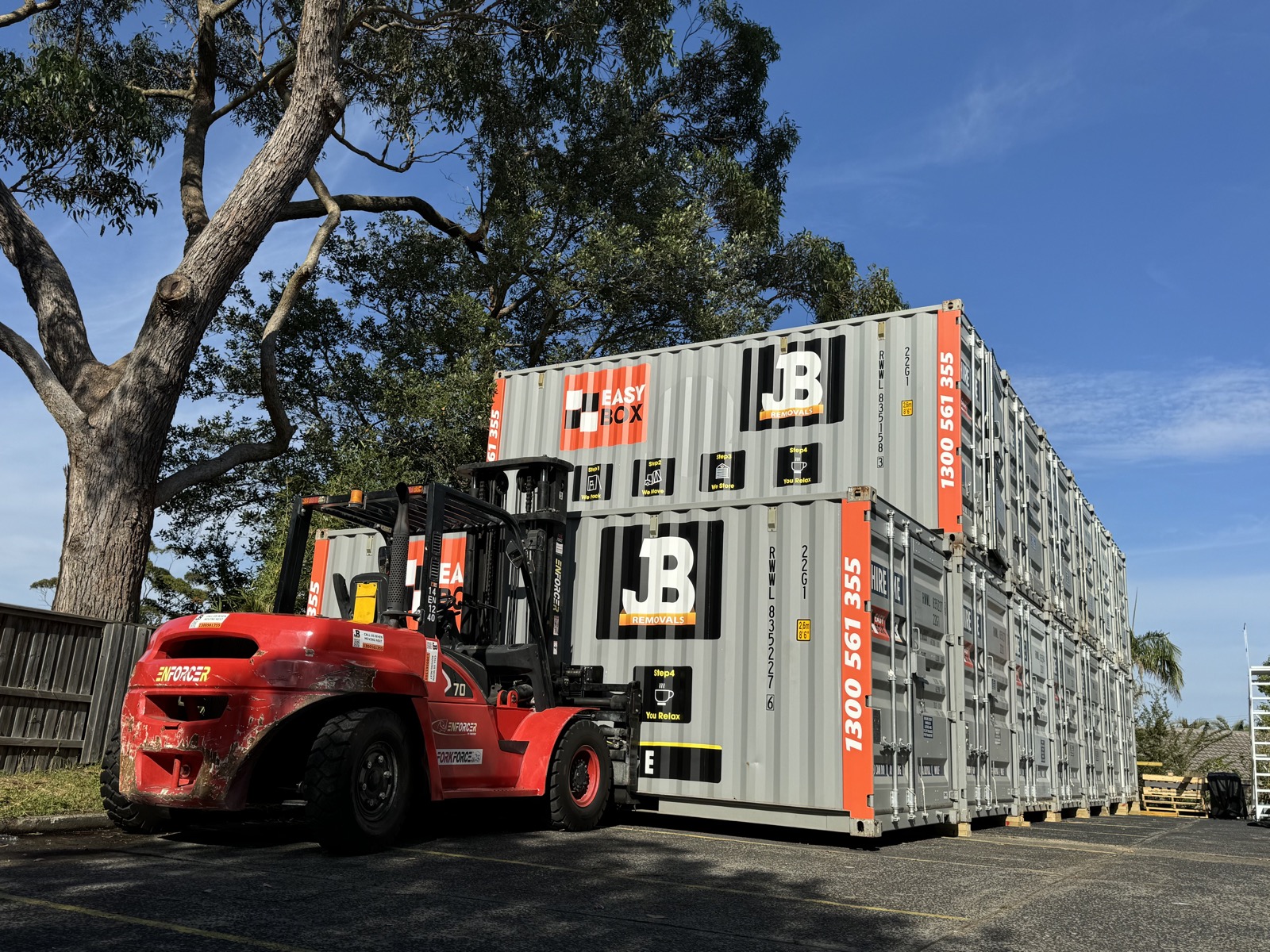
Accurate planning can include temporary storage when moving dates do not align.
Does the Sydney suburb change the removalist cost?
It can, but postcode alone is not the price. The route and access conditions behind the postcode are what usually change the job.
South-West Sydney
Some operators serving South-West Sydney advertise competitive local rates. A nearby operating base, straightforward parking and ground-level access can help keep a job efficient. However, a long journey across Sydney, tolls, a distant depot, apartment stairs or poor truck access can remove that advantage. “South-West” is not an automatic discount.
Sydney CBD and inner city
CBD and inner-city moves can cost more when the building requires loading-dock bookings, lift protection, fixed time windows or a smaller shuttle vehicle. Legal parking, long internal corridors and time spent waiting for access may also increase chargeable time. A well-organised CBD move with a reserved dock and lift can still be efficient.
Northern Beaches and North Shore
Northern Beaches and North Shore properties can involve steep driveways, narrow roads, limited kerb space, apartment lifts or longer travel from another company’s depot. These conditions may add time. JB’s Dee Why head office and Brookvale storage facility are useful operational resources in this part of Sydney, but the quote should still be based on the specific job—not a blanket postcode surcharge.
Eastern Suburbs
Bondi, Vaucluse, Rose Bay and surrounding suburbs include a mix of apartments, terraces and large homes. Busy kerbs, stairs, basement clearances and long carries can matter more than the distance on a map. JB services these areas and can combine the move with packing, materials or mobile storage when required. Do not describe Bondi, Vaucluse or Rose Bay as fixed JB storage facilities unless verified addresses are added to the public website.
The practical conclusion is simple: an easy-access Northern Beaches home can cost less to move than a difficult South-West apartment, and a prepared CBD building can be faster than an unplanned suburban job.
Hourly rate or fixed price: which is better?
Neither method is always better. The right choice depends on how clearly the job can be scoped.
Hourly pricing may suit:
small local moves;
moves with an accurate inventory and straightforward access;
customers who are fully packed and ready; and
flexible jobs where the customer understands the minimum time and travel basis.
A fixed price may suit:
larger household moves;
jobs with a complete inventory and verified access;
long-distance or multi-stage moves;
work involving storage, packing or several pickups; and
customers who value budget certainty.
A fixed price is only as reliable as its written scope. Inventory changes, undisclosed stairs, unavailable loading docks or extra pickups may fall outside it. Ask what would change the agreed amount.
Why JB’s local services can improve the total—not just the hourly rate
After more than 20 years of hands-on moving experience, JB’s approach is to plan the complete job rather than sell an isolated hourly number.
One coordinated scope: removals, partial or full packing, unpacking, boxes, heavy items and storage can be planned together.
Vehicle choice: the truck can be selected around volume and legal access.
Storage options: EasyBox and fixed facilities can reduce unnecessary handling in the right circumstances.
Local knowledge and support: JB services the Eastern Suburbs, North Shore, Northern Beaches, CBD, South-West and wider Sydney, giving customers one point of contact if timing or access changes.
Written detail: a useful quote identifies the charging method, crew, truck, travel basis, GST, included services and separately assessed work.
These features do not make every JB quote the lowest hourly rate. They are intended to reduce avoidable time, separate suppliers, double-handling and cost surprises. That is the comparison that matters.
How to reduce your Sydney moving cost
Declutter before the quote. Do not pay to move items you will discard later.
Provide a complete inventory. Include garages, balconies, storage cages and second pickups.
Send access photographs. Show stairs, lifts, driveways, hallways and the closest legal truck position.
Book the lift or loading dock. Confirm the time window and building requirements at both addresses.
Finish packing before the crew arrives. Seal and label cartons by destination room.
Choose the right level of packing help. Partial professional packing can focus spending on fragile or time-consuming areas.
Compare total estimates, not headline rates. Check crew, truck, minimum time, travel, GST and all extras.
Declare heavy items early. Last-minute changes can require different resources or a separate visit.
Consider storage handling. If dates do not align, compare a mobile-container plan with repeated truck-to-unit handling.
Keep the route clear. Reserve lawful access where possible and remove obstacles before arrival.
NSW Government guidance recommends giving the removalist all move details, obtaining a written itemised quote and making sure every charge can be accounted for. Before accepting, look for:
the legal business name and contact details;
complete pickup and delivery addresses;
the move date and expected start window;
the inventory or clearly defined scope;
crew size and truck size;
hourly or fixed-price terms;
minimum billable time and billing increments;
when travel becomes chargeable;
treatment of tolls, fuel, parking and call-out fees;
whether GST is included;
packing, materials, dismantling and reassembly inclusions;
heavy-item or difficult-access conditions;
storage and redelivery terms, if relevant;
payment timing and cancellation terms; and
insurance information and the customer’s responsibilities.
Read the contract, not just the price at the top. NSW Government also notes that removalists are not required by law to provide insurance for the customer’s property during a move, so customers should ask exactly what cover applies and consider their own insurance needs.
Frequently asked questions about removalist costs in Sydney
How much do removalists cost per hour in Sydney?
A useful 2026 market benchmark is about $120–$205 per hour for two movers and a truck. The range is not a JB quote and may include different minimums, travel rules, GST and services. Ask for an itemised estimate based on your inventory and access.
How much does a one-bedroom move cost in Sydney?
A studio or one-bedroom local move commonly falls within a broad planning range of about $350–$800. A small, fully packed, lift-access move may be near the lower end; stairs, long carries, travel, extra furniture or poor parking can push it higher.
How much does a two-bedroom move cost in Sydney?
Allow roughly $600–$1,400 as an initial market planning range. The actual total depends on volume, access at both addresses, truck and crew, distance, dismantling and whether packing is included.
How much does a three-bedroom house move cost in Sydney?
Current Sydney guides suggest approximately $900–$2,300 for many local three-bedroom moves. Large inventories, garages, stairs, difficult truck access, specialist items or multiple trips can move the total outside that band.
Are removalists cheaper in South-West Sydney?
Some local operators advertise lower rates, and straightforward access or a nearby base can reduce time. There is no reliable rule that every South-West move is cheaper. Travel, tolls, parking, stairs, inventory and depot location still determine the total.
Why can CBD or Northern Beaches moves cost more?
They can cost more when access adds work: loading-dock or lift bookings, legal parking, long carries, steep or narrow approaches, traffic or longer depot travel. The suburb itself is not the surcharge. A properly planned move in either area can still be efficient.
Is a fixed-price removalist cheaper than an hourly removalist?
Not automatically. Hourly pricing can suit a small, prepared and predictable move. A fixed price can provide certainty for a thoroughly scoped larger or complex move. Compare the written inclusions and exclusions, not just the charging label.
Does professional packing increase or reduce the total moving cost?
Packing is an additional service, but it can reduce loading delays, poor carton preparation, damage risk and the need to coordinate another supplier. Partial packing can focus on kitchens, fragile items or other time-consuming areas. Compare the complete bundled quote with the true time and material cost of self-packing.
Can mobile storage make a move cheaper?
Sometimes. If move-out and move-in dates do not align, a mobile container may reduce repeated handling because the container can be packed, transported, stored and redelivered. The result depends on volume, access, storage duration and delivery charges, so compare the full plan.
What is the best way to get an accurate removalist quote?
Provide both full addresses, an itemised inventory, access photos, stairs or lift details, the nearest legal truck position, preferred date, packing requirements and every heavy or unusual item. For a large or difficult job, ask whether a video or physical site inspection is appropriate.
Get a Sydney moving quote based on the real job
Use JB’s free moving calculator or contact JB Removals with both addresses, the move date, inventory, access photographs and any packing, storage or heavy-item requirements. The more complete the scope, the more useful the estimate.
Sources and methodology
This guide uses current public market benchmarks as planning information and combines them with JB Removals’ hands-on Sydney moving experience. It does not reproduce a competitor article or promise that every move will fall within an average.
Airtasker Australia removalist cost guide, updated 26 June 2026 — lists Sydney at $120–$200 per hour and explains how access, parking, distance and service scope affect price.
What’s The Damage Sydney removalist cost guide, verified August 2026 — lists $115–$205 per hour for two movers and a truck and provides Sydney job-size estimates.
hipages removalist cost guide for 2026 — explains that home size, distance, difficulty, timing and added services influence the total.
NSW Government: Choosing a removalist — recommends comparing services, providing complete details, obtaining an itemised written quote and reading the contract.
Market figures are planning estimates current at the date shown. They are not a JB Removals quotation. Confirm current pricing, inclusions and terms in writing for the specific move.