
Practical household moving advice
Moving Books and a Home Library in Sydney
Keep the collection organised from shelf to shelf. Plan manageable cartons, a simple numbering system and the order you want to unpack.
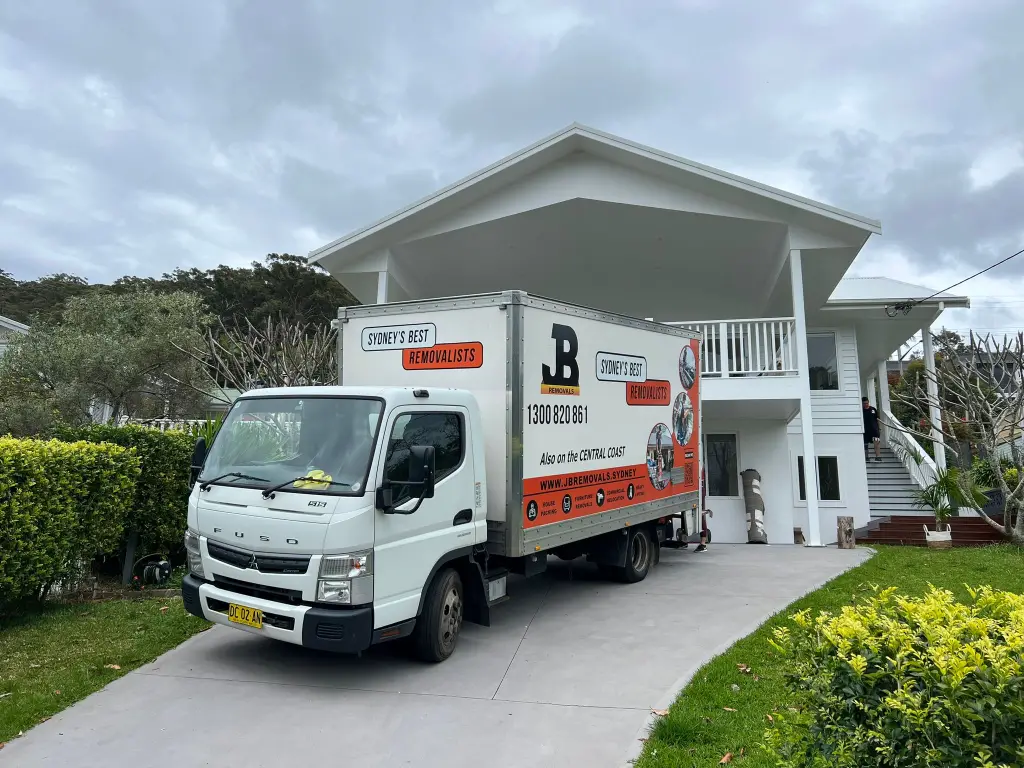
A home library can be compact in volume but demanding to pack and carry. This guide focuses on ordinary household books, collection organisation and the handover to your mover. For the whole household, see JB’s Sydney moving services; for packing assistance, explore packing and unpacking. Rare, fragile or valuable collections need individual advice before packing.
Count the collection before estimating the load
Walk through every place books are stored: lounge shelves, study cupboards, bedside piles, children’s rooms and archive cartons. Record shelf lengths or shelf groups and take reference photographs. Those photos can help the packing discussion, but do not replace a final carton count once packed.
Separate books you are moving from those being returned, donated or sold. Keep borrowed books identifiable. If a collection is shared, confirm which volumes belong in the load before sealing cartons.
- Count packed cartons, not just the number of bookcases.
- Flag oversized art books, albums and boxed sets separately.
- Identify valuable or damaged items before choosing packing materials.
- Tell JB about stairs and long carries as well as the collection size.
Choose cartons for books rather than filling large boxes
Books add weight quickly. Use sound, appropriately sized cartons and confirm any box load rating with the supplier. Do not fill a large linen carton with books simply because there is room. A carton’s rating is not a guarantee that its weight is safe for a particular person or route.
Distribute the collection across manageable boxes and secure each carton as instructed by its supplier. Do not use damp, weakened or torn boxes. If a packed carton is too heavy to handle safely, repack it into smaller loads before collection; do not test your limit by trying to lift it.
Ask JB about packing help if there are many cartons, difficult stairs or uncertainty about materials. The heavy-box moving guide covers handling considerations beyond the collection itself.
Pack ordinary books without distorting them
Use clean, dry packing materials. For ordinary books in sound condition, keep them supported without forcing them into a carton or bending the covers. Group similar sizes together and ask your packer about a suitable arrangement for oversized, delicate or unusually shaped volumes.
Fill spare space with suitable clean cushioning so books do not slide around, while keeping the carton manageable. Keep liquids, cleaning products and food out of book cartons. Do not seal damp books for a move; ask an appropriate specialist about affected items.
For brittle bindings, leather, rare editions, signed books, artworks or high-value collections, get a conservator’s or specialist packer’s advice. Ordinary household packing guidance is not a conservation treatment or a guarantee of protection for those items.
Use shelf codes to restore the order
Give each shelving area a simple code and number its cartons. For example: STUDY A — HISTORY — BOX 2 OF 4. Write the destination room on the top and visible sides. Keep a separate list of the carton numbers so you can check the collection without opening every box.
If your shelves are organised by author, subject or a personal sequence, photograph each shelf before packing. Pack and number small shelf groups together. You do not need to catalogue every ordinary paperback to retain useful order; choose the level of detail the collection warrants.
Keep outward-facing labels discreet for valuable collections. Store any detailed value records securely and discuss special packing or cover requirements directly with the provider rather than advertising contents on the box.
Treat the bookcases as a separate part of the move
List the shelving furniture separately from its contents. Empty it and confirm how loose shelves, pins, glass panels and any required dismantling will be managed. Do not assume a bookcase can travel loaded because it is only moving a short distance.
Match each set of shelf fittings to its furniture code. Keep the destination layout available and decide where cartons can be placed without blocking the work area. Our furniture dismantling plan explains how to agree responsibilities and keep parts together.
At the new home, follow the manufacturer’s installation and anchoring requirements before loading the shelves. Do not exceed its load limits. If the shelving is damaged or unstable, have it assessed rather than filling it and hoping the books will hold it in place.
Unpack in batches and reconcile the collection
Start with the books you need soon, then work through shelf codes one at a time. Keep unpacked cartons out of the carrying route and avoid creating high, unstable stacks on the floor. Allow time to check the furniture before restoring the full collection.
- Match the delivered carton count to the inventory.
- Check labels for boxes assigned to another room.
- Restore one shelf group before opening the next.
- Note any missing carton number or visible damage promptly.
- Keep valuable-item records and any specialist packing instructions.
If books will be stored between homes, discuss the proposed conditions, length of storage and packing requirements before committing. Keep the cartons dry and identify any collection needing specialist environmental advice. For the timing of the wider household move, see the storage-gap planning guide.
Common questions
What size boxes should I use for books?
Choose suitable smaller cartons rather than filling large boxes with dense books. Check the supplier’s specifications and agree the packing plan with JB if needed. Box strength and safe handling are separate questions.
How heavy should a book box be?
There is no universal weight that is safe for every person, carton or access route. Keep loads manageable, observe the box rating and repack anything that is too heavy. Ask for appropriate handling help rather than attempting a difficult lift.
Can I move books inside the bookcase?
Plan to empty the bookcase and pack its contents separately unless an assessed, specific arrangement says otherwise. Loaded shelves add weight and the contents can shift. Include both the furniture and the packed cartons in your inventory.
How do I keep my books in the same order?
Photograph the shelves and use a code for each shelf group. Number the cartons within that group and record the numbers on a simple inventory. Unpack one group at a time after the shelving is ready.
Can JB pack a large home library?
Send photos, the approximate collection size and details of any unusual or valuable items. Ask JB to confirm the packing scope, materials and timing. Do not assume specialist conservation packing is included in a standard household service.
What should I do with rare or fragile books?
Get advice from a book conservator or appropriate specialist before packing. Disclose the condition and value to the relevant provider and confirm handling and cover arrangements. General moving tips are not enough for every collection.
Can books go into storage between homes?
Discuss the proposed conditions, packing and duration with the storage provider first. Keep books and packaging dry, and seek specialist advice for sensitive collections. Confirm how cartons will be identified for later delivery.
What information helps JB plan a book move?
Provide the final carton count when available, photos of the shelving, any large or unusual volumes, and access details at both ends. Explain whether you need packing help, bookcase dismantling or an interim storage arrangement.
Plan your household move with JB
Send your collection and furniture details through the moving plan form, or call 1300 820 861. A clear carton count and shelf plan help JB assess the work and keep your collection organised.