

Make the load easier to move before you lift it.
A box can be difficult to handle because of its weight, size, grip, contents or the route it must travel. Reducing the load and planning the task are better starting points than relying on strength.
For a Sydney house or office move, tell the removalist about dense cartons, stairs and awkward access. Heavy furniture, machinery and pianos need their own assessment rather than being treated as ordinary boxes.
Six ways to prepare heavy cartons for a move
The aim is to reduce unnecessary manual handling and identify tasks that need a different approach.
Reduce dense loads
Use smaller cartons for books, tools and other dense items. Split an overloaded box before it reaches the doorway. A large carton is better suited to lighter, bulky belongings.
Check the carton and contents
Do not rely on damaged, wet or weakened boxes. Use suitable packing materials, secure the base and prevent contents from shifting. Label dense or fragile cartons clearly.
Plan the carrying route
Look for stairs, loose rugs, wet surfaces, narrow turns and long carrying distances. Clear the route and arrange access before moving begins, rather than trying to adjust it while carrying a load.
Reduce awkward handling
Consider where cartons are packed and staged so repeated reaching and carrying can be reduced. Avoid arrangements that require a person to handle a load while twisted or off balance.
Choose suitable equipment
A trolley or other handling aid must suit the load, route and user. Stairs, slopes and thresholds need specific assessment; an ordinary trolley is not suitable for every route.
Stop and arrange help
If you cannot control the load, stop and change the task. Repack it, remove the obstacle or arrange appropriate assistance. A second person does not automatically make an unsuitable lift safe.
Prepare cartons the crew can assess.
Good information helps the moving team decide how to handle the load and identify anything needing extra preparation.
- Describe dense contents such as books, tools or records.
- Identify damaged cartons and repack them before collection.
- Record stairs, slopes and carrying distances at both addresses.
- Separate specialist items from the general carton inventory.
Heavy-box questions
Is 20 or 25 kilograms a safe weight for everyone?
No. There is no single safe lifting weight for every person and situation. The task, posture, frequency, grip, load and environment all affect risk. Assess the whole task rather than treating a number as a guarantee.
Should I fill a large box with books?
Dense contents are usually easier to organise in smaller cartons. Avoid filling a large box simply because space remains. Consider the finished load and handling before sealing it.
Does a “HEAVY” label make a box safe to lift?
No. A label alerts the handler but does not reduce the load or fix poor packaging. Repack an unsuitable carton and tell the moving team about the contents and route.
Can I use a trolley on stairs?
Do not assume a standard trolley is suitable. The equipment, load, staircase and operator requirements need assessment. Ask for appropriate help with stairs and other difficult access.
Is lifting technique enough to prevent injury?
Technique alone does not remove the risks of an unsuitable task. Reducing the load, avoiding unnecessary handling and choosing suitable equipment and work arrangements are also important.
Can JB help pack dense or fragile items?
Explain the contents, approximate quantities and access when enquiring. JB can discuss packing assistance and identify items that need a separate handling assessment before the move.
For workplace guidance, see Safe Work Australia’s manual-task guidance and its Hazardous Manual Tasks code of practice. A task-specific assessment is needed; this moving checklist does not establish a universal safe lifting limit.
Keep your moving plan connected
Find the service and practical advice that fit your next step.
Tell JB about the difficult part of the move.
Share the dense loads, unusual items and access photos with your moving enquiry so the team can discuss packing and handling requirements.
Sydney removalist services
Find the right help for your move.
Home & Furniture Removals
From a few rooms to a full family home. Every item, entryway and lift booking considered.
Commercial Removals
A coordinated move for your people, workstations and equipment, with your timing in mind.
Warehouse Removals
A practical plan for stock, equipment and the access requirements of your site.
Packing & Unpacking
Help with the whole house, fragile items or just the rooms you would rather leave to us.
Heavy & Specialist Removals
Pianos, safes, spas and awkward spaces. Start with the item and the complete access route.
Mobile Storage
Space between moving dates, during a renovation or while you settle into somewhere new.
Heavy and specialist removals in Sydney
Start with the move you are planning
Choose the closest match. You do not need to know the equipment. JB will recommend a method after assessing the item and access.
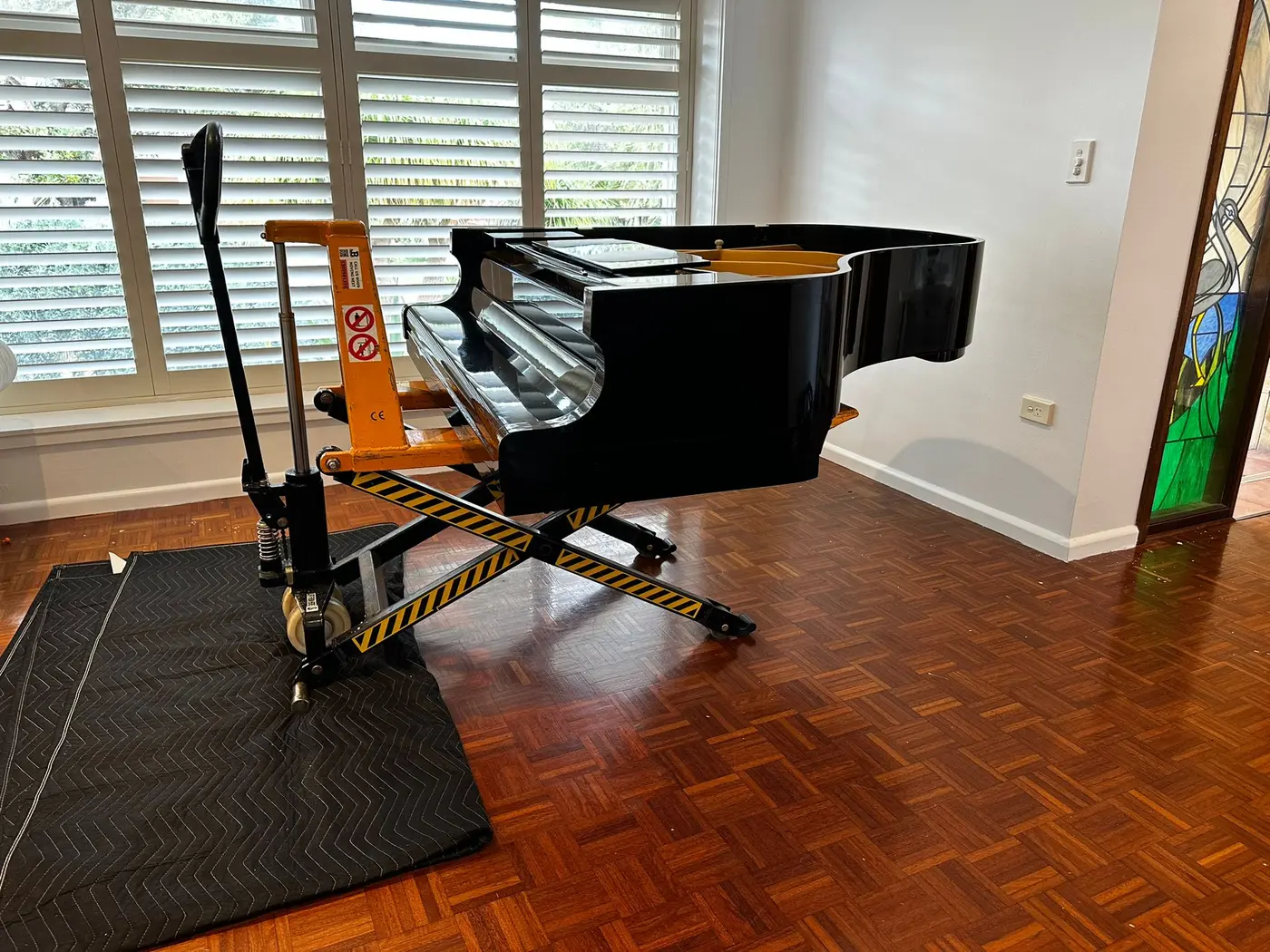
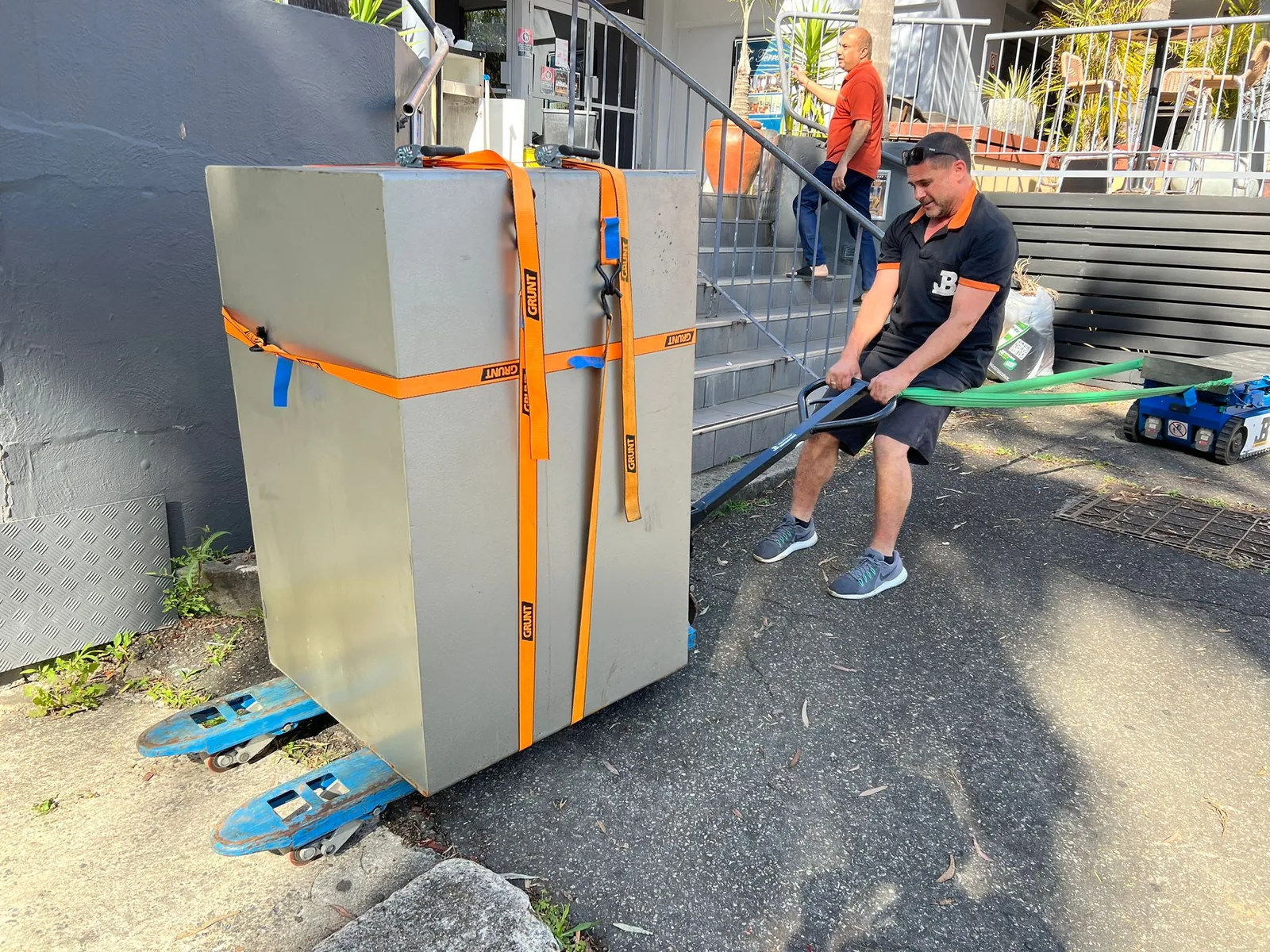
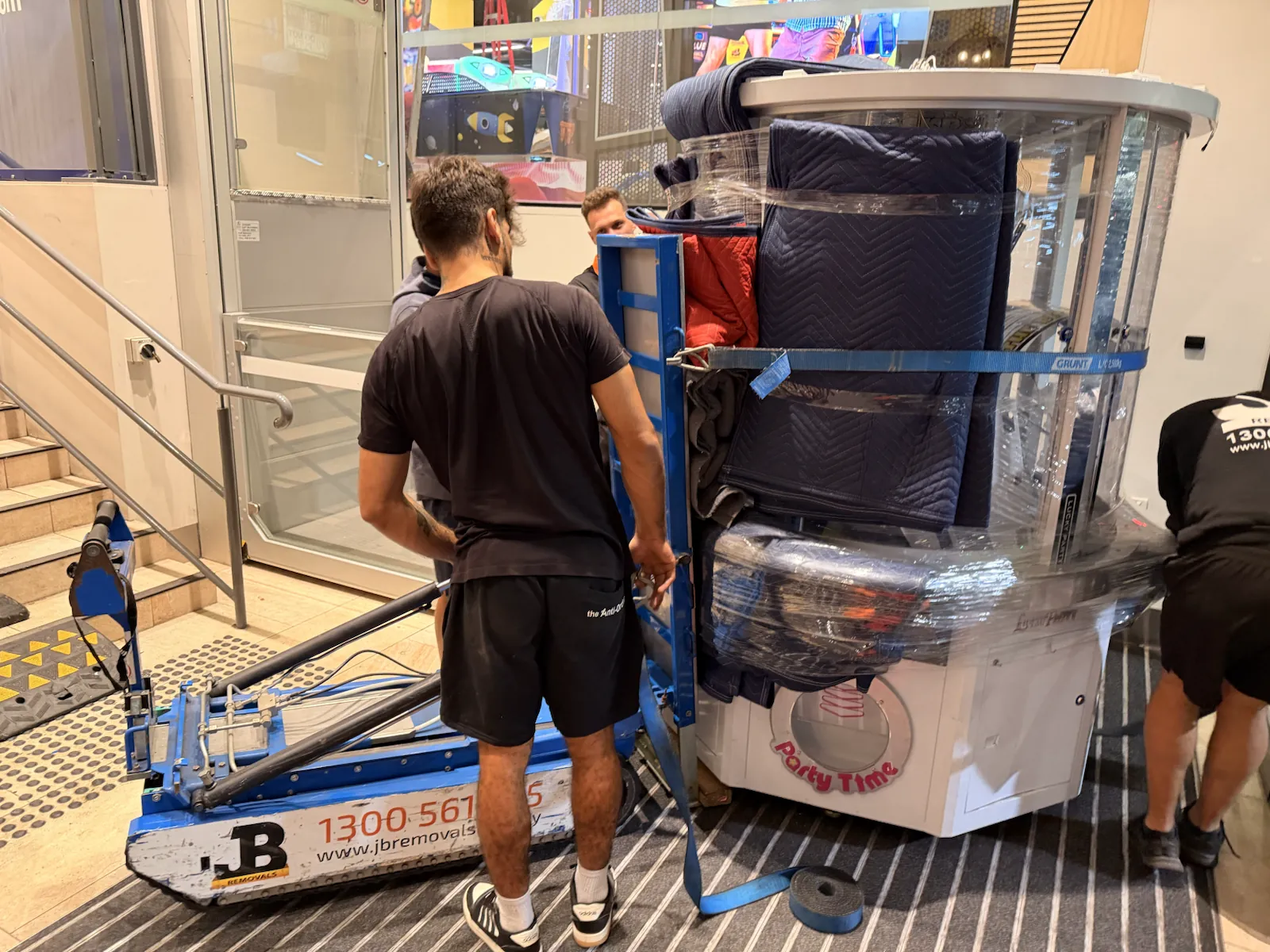
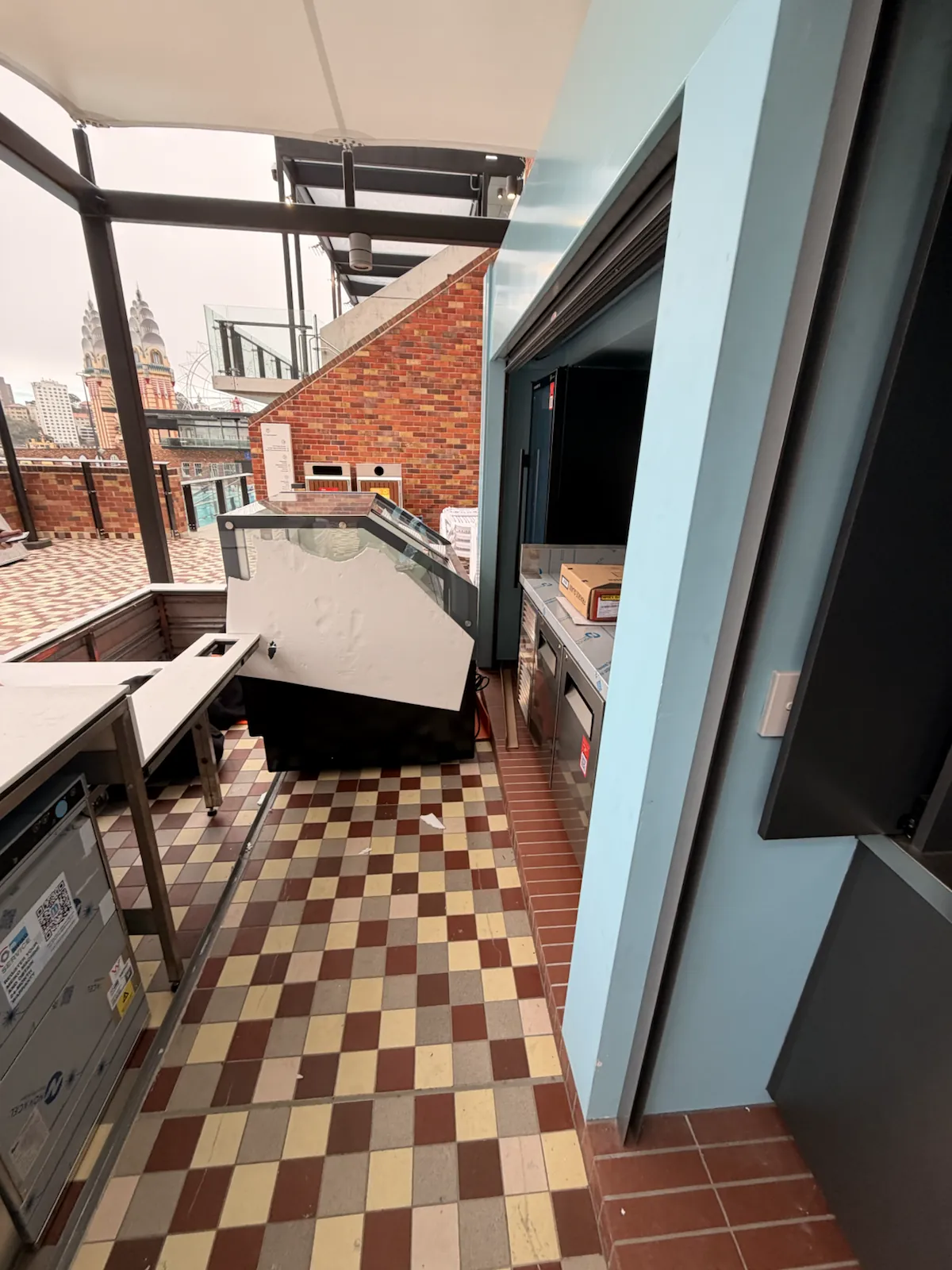
What happens next: open the specialist assessment and add the item, weight, locations, access and useful photographs so the JB team can review your move. For piano-specific advice, read our Sydney piano removal guide.

Not just extra manpower
First we plan.
Then we move.
The moving method depends on weight, dimensions, stairs, landings, fragile surfaces, parking and final placement. The complete route is assessed before the crew and equipment are confirmed.
-
Assess the complete routeItem, access, turns and final placement.
-
Select equipmentStair climber, gantry, HIAB, dollies or other controls, where suitable for the job.
-
Confirm the methodCrew, protection and sequence before moving day.
Google reviews
What customers say about JB Removals
4.7 out of 5
1,324 Google reviews
Heavy, fragile or difficult access?
Let’s assess it before moving day.
Start the heavy-item assessment →
Or call 1300 820 861