

JB Removals SydneyJB RemovalsSydney · Since 2005
JB Removals truck parked outside a white house

Commercial Relocation Planning: Build Your Sydney Move Around the First Working Day

4.7 out of 5 · 1,326 Google reviews
Choose your form
10-second enquiry
Free moving enquiry Start in under 10 seconds

FAST, FREE MOVING ENQUIRY

Start your move in under 10 seconds.

Enter the route and date. JB will confirm the rest with you.
  • ✓ Two quick steps
  • ✓ No obligation
  • ✓ Direct to JB Sales
Step 1 of 2
  1. 1 Move details
  2. 2 Contact details
About 10 seconds
Where are you moving?

Start with the route and date. JB will confirm everything else with you.

SEARCH OR TALK TO JB

What do you need help moving?

Search a service, tool, guide or Sydney suburb.

Type a question or tap Talk to JB.

Sharing is caring!

Commercial Relocation Planning: Build Your Sydney Move Around the First Working Day

OFFICE RELOCATION · SYDNEY

Office move handover. Ready, room by room.

A delivered desk is one milestone. A room ready for its team is another. Give each office area a clear handover, an owner and a list of anything still to finish.

JB crew member holding a carton beside packed boxes
The JB team · Packing and moving support.

A commercial move is not finished when the last desk comes off the truck. It is finished when the people using the new site can find what they need and restart the agreed activities.

That makes the first working day a useful starting point for planning. Decide what must be ready, then work backwards through placement, transport, packing and shutdown. The result is a sequence the business, removalists and other providers can actually follow.

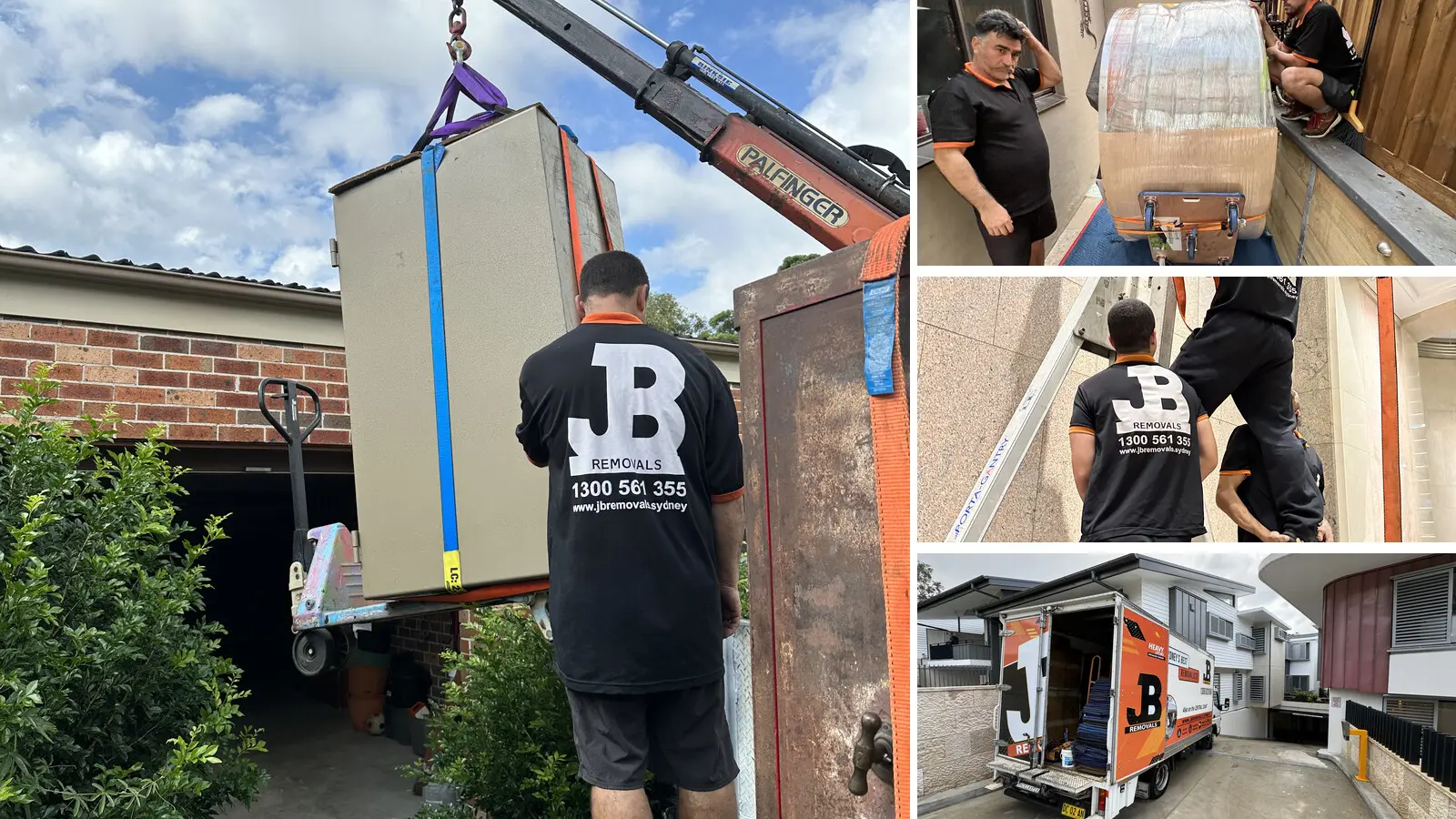
JB Removals crew coordinating a crane-assisted lift and restricted-access equipment moves.

Define what “ready to work” means

List the functions that must resume first. For an office, that might be a small customer-support team with working desks and tested connections. For a warehouse, it might be one dispatch area with the correct stock and packing supplies. A showroom may need only its priority display ready before the rest.

Give each function an owner and a check that demonstrates readiness. “Computers delivered” and “staff can log in and work” are different milestones. Confirm the latter with your IT provider rather than treating delivery as a technical sign-off.

Split the inventory into useful groups

Create three lists: needed immediately, needed after opening, and not moving to the new site. Deal with surplus furniture and obsolete equipment before they become last-minute additions to the truck.

Label items for the destination. A useful label combines the new zone, room or workstation, item description and priority. For example, “Level 2 / Support / Desk 04 / Monitor” is easier to place than “John’s computer”, particularly if someone else receives it.

Keep confidential records within your organisation’s approved handling process. Use an inventory or seal reference that supports checking without exposing sensitive contents on an outside label.

Build a sequence with clear dependencies

  1. Confirm destination readiness. Check access, fit-out completion and the space available to receive goods.
  2. Complete preparatory work. Assign packing, equipment shutdown and any specialist disconnection.
  3. Release each area for moving. Nominate who confirms staff have finished using it.
  4. Load and deliver by the agreed sequence. Coordinate priority with the removalist’s loading and restraint plan.
  5. Check placement and restart. Record missing items, unresolved tasks and the person responsible.

For a phased relocation, repeat this sequence for each area. Do not assume every department must move on the same day.

Book the building access, not just the truck

Confirm the arrangements at both sites: loading-dock bookings, lift access, vehicle clearance, permitted working times, security induction and the contact who can open restricted areas. Ask building management what protection or documentation it requires for the planned work.

Put those details in the moving brief. A truck arrival time is of little use if the goods lift is reserved for another contractor. Ask what happens if an access slot is missed, and identify the person authorised to agree to a changed sequence.

Give heavy equipment its own workstream

Safes, machines, large printers and hospitality equipment should be identified separately from ordinary furniture. Provide dimensions, weight information, route photographs and final placement requirements for a specialist heavy-item assessment.

Confirm who disconnects, prepares and recommissions the equipment. A removal scope should not leave technical installation responsibilities unclear.

Plan for a delayed handover

Choose a decision point before loading starts. If the destination is not ready, who decides whether the move waits, changes sequence or uses storage? Record the contact and cost implications in the agreed plan.

If storage is needed, separate items that may require early retrieval. Discuss EasyBox storage access and redelivery arrangements before relying on them as your contingency.

If you are deciding which tasks to hand over, read our five reasons to use commercial movers for an office relocation, covering planning, downtime, site access and handling responsibilities.

What to send with your enquiry

Provide the inventory by area, floor plans where available, site contacts, access windows, preferred dates and the functions that need to restart first. State which tasks your own team or other providers will complete.

Start with JB’s commercial relocation service. For an office-focused move, the Sydney office movers page is the relevant starting point. Ask for the agreed sequence and responsibilities to be reflected in the written scope.

One room at a time

Use the same codes as your floor plan.

One named owner

Know who can confirm each handover.

One open-item list

Keep unfinished tasks visible.

At the end of an office move, “everything is here” can mean different things to different people. The cartons may have arrived while furniture placement, equipment setup or a department’s own checks are still underway.

For an office relocation in Sydney, a room-by-room handover sheet gives your coordinator a practical way to separate those stages and follow up what remains.

01 / PLAN THE DETAILS

Define what each room needs.

Start with the destination floor plan. Give each workspace a stable code, then describe what has to be checked before the receiving team accepts it.

01

Reception

Identify the furniture and cartons expected here, the agreed placement and the person receiving them.

Check against the room list.
02

Team workspace

Match desks, chairs and labelled items to the destination plan. Record anything awaiting a decision.

Check against the desk map.
03

Meeting room

Separate furniture placement from any AV or technology tasks allocated to another provider.

Check each agreed responsibility.

These are planning examples. Replace them with your actual rooms and agreed scope rather than treating every workspace as identical.

02 / PLAN THE DETAILS

Use a handover sheet people can act on.

Give every open item a next action. A list of problems is less useful than a list that also identifies who is resolving them and when the next update is due.

AreaEvidence to checkOpen item and owner
Reception · R01Delivered furniture and cartons matched to the room list.Office coordinator to confirm final counter position.
Team area · T02Desk locations checked against the current floor plan.Team lead to resolve an unallocated workstation.
Meeting room · M01Agreed physical placement checked with the receiver.IT provider to confirm the separate AV setup.

Illustrative entries only. For your move, add the receiving person, check time, next action and agreed follow-up date.

Keep the sheet with the current inventory and floor plan. When an item changes destination, update both the plan and the receiving record.

03 / PLAN THE DETAILS

Give “complete” a precise meaning.

DELIVERED

The item has reached the agreed receiving area.

PLACED

Its position has been checked against the agreed plan.

RELEASED

The nominated owner has accepted the relevant handover.

Choose status names your team understands and define them before moving day. Do not use a delivery tick to stand for installation, testing or a wider office-readiness check.

For equipment handovers, see our office IT coordination guide.

04 / PLAN THE DETAILS

Keep unfinished work visible.

If a room cannot be completed, record what is preventing the handover. It might need a placement decision, an item reconciliation or attendance from another supplier.

  • Describe the specific item or decision, using its room or inventory code.
  • Name the person responsible for the next action.
  • Record when the coordinator should expect an update.
  • Confirm who can accept the room once that action is complete.

Keep late changes in the same record instead of scattering them across messages. Hand the current list to the next responsible person before the original contact leaves.

When briefing office removalists in Sydney, explain how your organisation wants to receive and check the physical move. Keep the separate tasks allocated to your staff and suppliers clear.

05 / PLAN THE DETAILS

Questions before the team returns.

Who should accept the room handover?

Nominate a person who understands the agreed room plan and can record outstanding items. Where different teams own different tasks, identify those responsibilities separately.

Does the handover sheet replace the moving quote?

No. The quote records the agreed service scope. The handover sheet helps you check the delivered work and track remaining actions against that scope.

What if the room layout changes during the move?

Tell the moving coordinator, agree any change to the work, and update the floor plan and item destinations. Keep the previous and revised versions distinguishable.

YOUR NEXT STEP

A clear plan.
A better prepared office move.

Send the inventory, both addresses and your preferred dates. Include your floor plan and the teams that need to be ready first.

Sharing is caring!

JB Removals Sydney
Back to top