
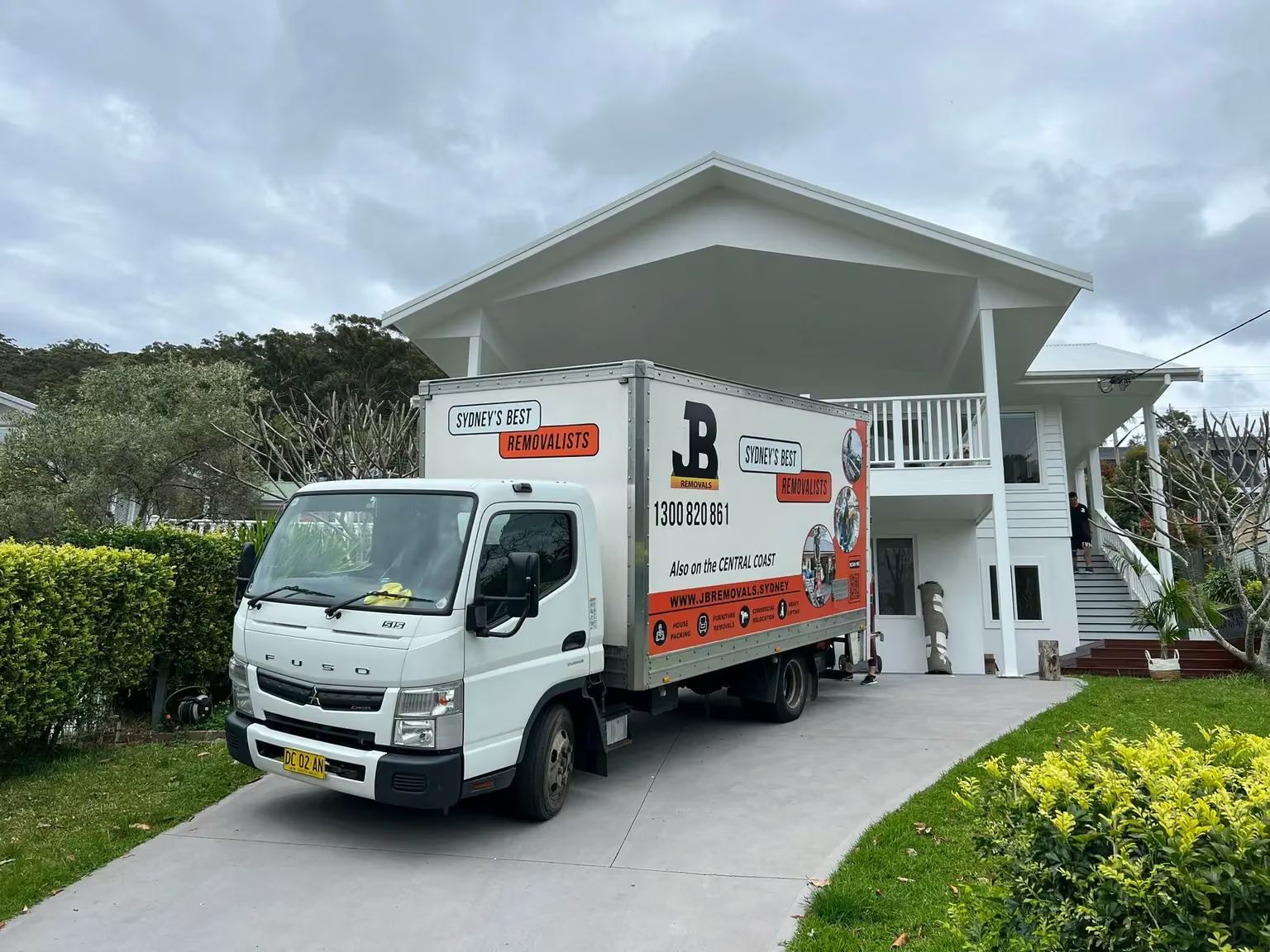
To protect floors and walls when moving heavy items, plan the route and surface protection before anything is lifted. Share the item dimensions, weight, floor finishes, stairs and tight doorways at both properties. Suitable protection and handling can reduce the risk of scratches, dents and impact damage; no method removes every risk.
Use this guide when discussing property protection with professional movers. For bulky furniture, a safe, machinery or a piano, contact your Sydney heavy-item removalists. Agree the materials and responsibilities in the move scope, including protection at the destination.
Why heavy furniture needs a route assessment
Weight, size and balance affect how an item passes through a building. Tight turns, thresholds, stairs and narrow doorways can leave little room for the load, equipment and crew.
- Record the item dimensions and reliable weight information.
- Photograph the complete route, including landings and changes in floor level.
- Identify polished timber, tiles, stone and other sensitive surfaces.
- Tell JB about recent flooring, paint or plaster work.
For a piano, use the piano removal planning page so the instrument and access can be assessed together.
Protect timber floors, tiles and stone
Floor runners, suitable cushioning and protective boards serve different purposes. Confirm the floor finish and the route before choosing a product; protection made for carpet may be unsuitable for timber or stone.
Keep dirt and grit off the moving route. Check runners and trolley wheels as the move progresses. In wet weather, discuss how the team will keep the entrance and hard floors dry. Loose sheets and curled edges can create trip hazards.
Furniture sliders and rubber caps must suit the item and floor. Heavy items should not be dragged across unprotected surfaces. Protective boards do not establish the load capacity of a floor; heavy equipment may require a separate assessment.
Protect wall corners, door frames and lifts
Discuss corner guards, moving blankets and padding for vulnerable door frames, wall corners and lift interiors. Protect sharp corners on the item as well as the surfaces along the route.
Measure the available clearance with the protection in place. Padding takes up space and cannot make an unsuitable doorway or turn safe to use.
For office moves and warehouse relocations, ask building management about lift pads, loading-dock bookings and permitted access times.
Stairs and specialist moving equipment
Stairs need an assessment of width, gradient, landing space, construction and the total load. Protection must stay secure and must not obstruct footing or equipment operation.
Powered stair climbers can support and control suitable loads, but their use depends on the item and the complete route. They do not guarantee that a staircase is suitable or that damage cannot occur.
See stair climber hire and managed moving options for the information JB needs. Our truck range explains vehicle choices, which are assessed separately from the handling method.
Before the movers arrive: preparation tips
- Clear loose belongings from hallways and stairs.
- Keep packed boxes away from entrances and high traffic areas.
- Agree how loose rugs along the route will be removed or secured.
- Arrange removal of wall art and mirrors from the route.
- Tell JB which furniture needs dismantling; agree who will do it.
- Provide flooring and paint product instructions where relevant.
- Photograph existing marks and review them with the crew.
- Agree the protected route before the first item moves.
Walk through the house or apartment with the team before loading starts. Point out existing marks, sensitive finishes and any changed access. At the destination, repeat this check before unloading and confirm where large furniture will be placed.
If you also need help preparing fragile belongings, include packing and unpacking in the enquiry.
Protect floors and walls in your new home
Check the new property separately. Different floors, entrances, lift rules or newly finished surfaces may need different materials and access arrangements.
For new builds or renovations, confirm with the builder or flooring supplier when surfaces can accept coverings and moving traffic. Tell JB if access is not ready; storage between moving dates can be discussed where suitable.
Label boxes with their destination rooms and share a simple placement plan. In your new home, this helps the crew take belongings to the right place and limits unnecessary handling. Keep the receiving route clear while furniture is delivered.
Inspect the route after the move and raise any concerns promptly. Keep photographs and the agreed move scope together.
Questions before moving day
Can I tape protection directly onto timber floors or painted walls?
Check the surface manufacturer’s instructions first. Adhesives can mark or lift finishes, especially fresh paint or newly finished floors. Agree a suitable securing method with the moving team and test any approved product as directed by its supplier.
Is cardboard enough to protect a floor during a heavy move?
Cardboard may provide light surface separation, but it can move, trap grit or become slippery when wet. It is not a substitute for assessing the load and route. Ask which runners, cushioning or boards suit the floor and equipment.
Who supplies the floor runners and corner protection?
Confirm the materials, installation and removal responsibilities in the written scope. Tell JB about both properties and any building requirements before quoting. Do not assume every material or specialist access arrangement is included.
What should I send for a heavy-item assessment?
Send photographs of the item and full access route, dimensions, reliable weight information, both addresses and your preferred dates. Include stairs, landings, doorways, floor finishes, parking and lift details. Read questions to ask heavy removalists when comparing the proposed scope.
Plan protection before moving day
Share the item, the access and the surfaces that need extra care. JB can assess the handling method and confirm the proposed move scope.