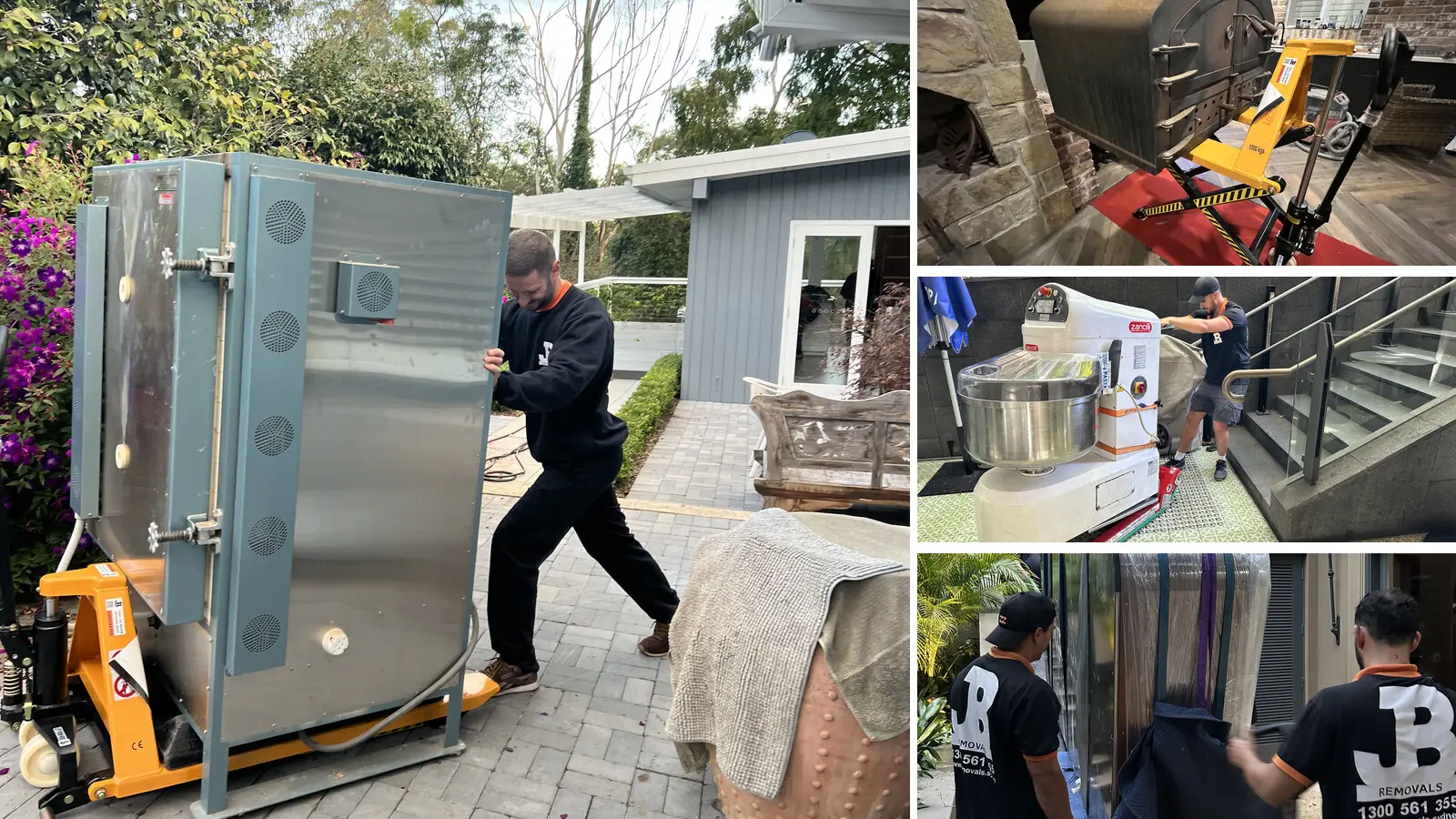
“It is a large fridge with a few stairs” leaves several important questions unanswered. How heavy is it? Does it fit around the landing? Where can the truck stop? And can it reach its final position after it enters the building?
A clear enquiry helps a specialist identify those issues before moving day. Use this checklist for a safe, piano, stone table, commercial appliance, machine or other awkward load. It is a guide to gathering information, not instructions for lifting the item yourself.
1. Identify the item precisely
Start with a full photograph and the make and model where available. Include a manufacturer’s weight label or specification sheet. Distinguish a documented weight from an estimate; appearance is not a reliable way to judge a load.
Record the height, width and depth, plus anything extending beyond the main body. Handles, feet, bases, lifting frames and shipping crates can all change the space needed. State whether the dimensions describe the bare item or its packaging.
For fragile or orientation-sensitive equipment, include the supplier’s handling instructions. Do not assume that a cabinet can be laid down, a machine can be tilted or a stone top can be removed.
2. Photograph the complete pickup route
Work through the route in order, from the item’s current position to the possible loading area. Number the photographs so someone unfamiliar with the building can follow them.
The room and space around the item.
Doorways, corridors and changes in floor level.
Every stair flight, landing and turn.
External paths, gates and slopes.
The loading position and distance from the building.
A close-up explains a detail; a wider photograph explains how that detail fits into the route. Include both for a tight turn or unusual threshold. Keep people and personal paperwork out of the frame where practical.
3. Give the destination equal attention
A successful delivery ends at the agreed placement point. Show the full destination route, including any bench, platform, doorway or narrow space near that point.
Explain whether the item is replacing something already installed and whether the old item also needs removal. If there is a lift, ask building management for its relevant dimensions, load information and booking arrangements. A door opening alone does not describe the space inside the lift or outside it.
4. Record access restrictions without guessing
Useful measurements include clear doorway widths, the narrowest corridor, stair widths and landing dimensions. Note where a handrail or door reduces usable space. Leave difficult-to-reach measurements to the site assessment.
Tell the removalist about fragile flooring, loose surfaces, low overhead clearance and any changes since the item was installed. Renovations and replacement lifts can mean the original delivery route is no longer available.
Describe approved truck access and permitted work times. If a loading arrangement has not been confirmed, say so. Photos and measurements help planning but do not replace a site inspection where one is required.
5. Separate moving from disconnection and installation
List connections, fixings and preparation that may need another qualified provider. This can include electrical, plumbing, refrigeration or machinery work. Ask who is responsible for each task and when it must be completed.
The enquiry should also identify who will accept the item at the destination, who can approve access changes, and whether the business or household must remain operational during the move.
A simple brief you can copy
Item: type, make, model and photographs.
Weight: figure, source and whether it is verified.
Dimensions: height, width, depth and packaging.
Route: both addresses, stairs, lifts, turns and loading areas.
Destination: exact room or placement point.
Preparation: disconnection, fixing removal and installation responsibilities.
Timing: preferred date, access window and site contact.
What happens if you cannot supply everything?
Send what you have and mark the gaps. The next useful step may be a supplier query, a building-management check or a site inspection. Do not substitute an invented weight or clearance just to complete a form.