Moving a sofa is one thing. Moving a piano, safe, pool table, commercial machine or several-hundred-kilogram piece of furniture through a Sydney property is a different job entirely.
The biggest mistake is assuming that heavy-item moving is simply about having enough strong people. Heavy-item moving is really about planning, controlling risk, choosing the right equipment and making sure the team understands the access before the item starts moving.
For a homeowner or business, that leads to one simple rule: before hiring heavy item movers in Sydney, find out how they intend to move the item — not merely whether they say they can.
Start With the Item, Not the Truck
Before asking for a quote, collect the information a specialist needs: the item type, approximate weight, dimensions, value or sensitivity, whether it can be dismantled, and clear photographs.
For a piano, identify whether it is an upright, baby grand or grand. For a safe or machinery, look for a manufacturer’s plate or specification showing its weight. For a pool table, identify its dimensions and whether it contains slate.
Then photograph the entire access route at both properties: stairs, corners, doorways, lifts, driveways, loading docks and the distance between the building and where a truck can legally stop.
That information lets an experienced mover decide whether the job needs a heavy-duty dolly, piano trolley or skid, stair-climbing equipment, tail lift, additional crew, protective materials, disassembly or, in exceptional situations, a forklift, Hiab or crane.
The key question is not simply, “Can we lift it?”
It is, “Can we safely control it through every stage of the move?”
Safety Checklist Before Moving Anything Heavy
Before the item moves, confirm that:
its approximate weight and dimensions are reasonably known;
the full route has been measured;
stairs, slopes and tight turns have been assessed;
the required equipment is on site;
floors, walls and door frames are protected;
children, pets and bystanders are clear of the work zone;
the truck has suitable legal access; and
every member of the team understands the movement plan.
The safest heavy move is not about being strong enough. It is about reducing unnecessary manual lifting, assessing the route and using suitable mechanical aids and handling equipment wherever practical.
What Equipment Should Heavy-Item Movers Use?
Different jobs require different equipment. Depending on the item and access, an experienced heavy-item moving team may use:
heavy-duty dollies or piano trolleys;
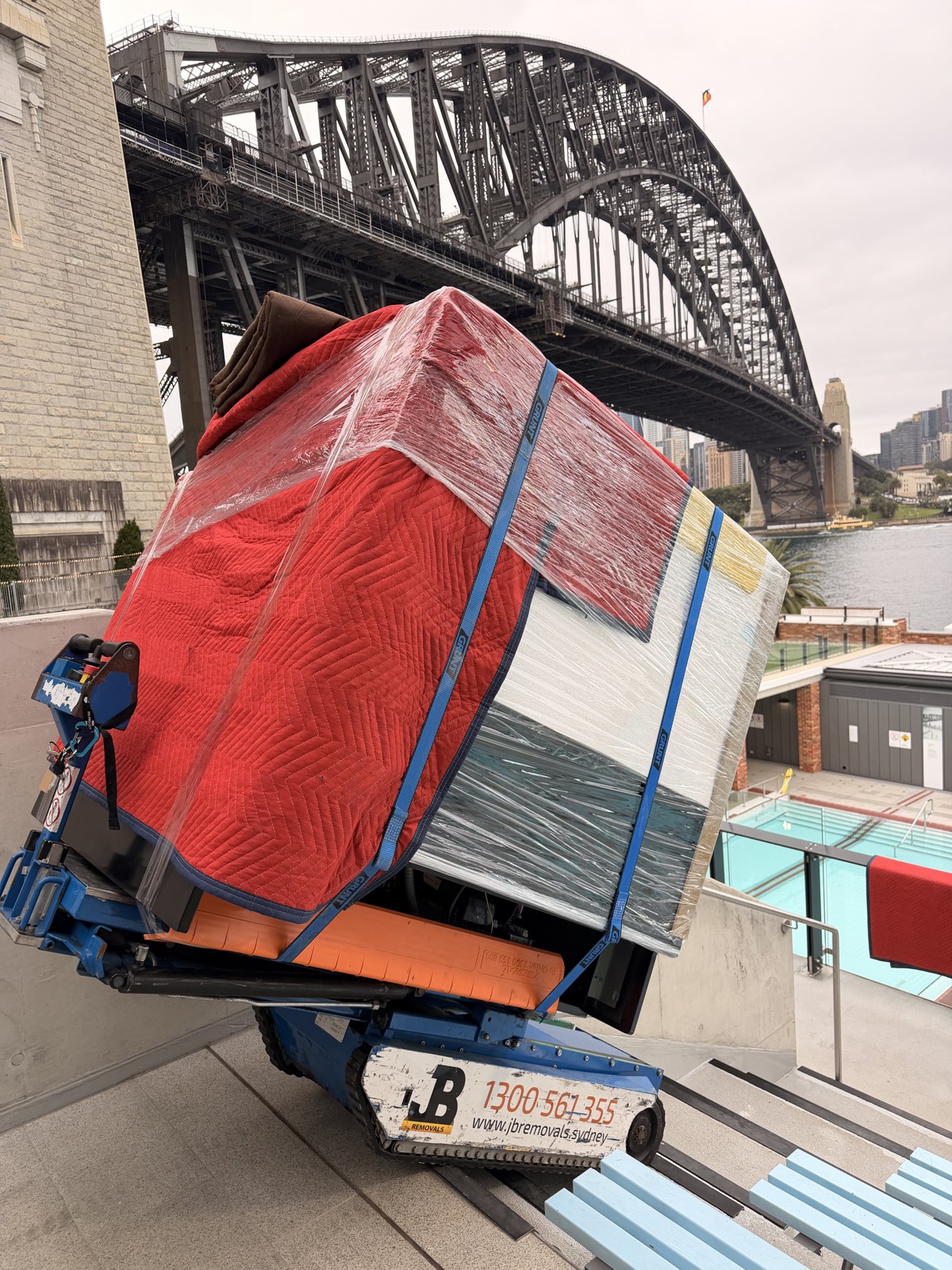
mechanical stair climbers;
tail lifts or suitable ramps;
moving blankets and padded wrapping;
lifting straps and load restraints;
floor, wall and corner protection;
specialist tools for controlled dismantling and reassembly;
pallet jacks;
forklifts; or
other task-specific mechanical lifting equipment.
The important question is not whether a company owns every machine on that list.
It is whether the company has identified which equipment your particular move requires before moving day.
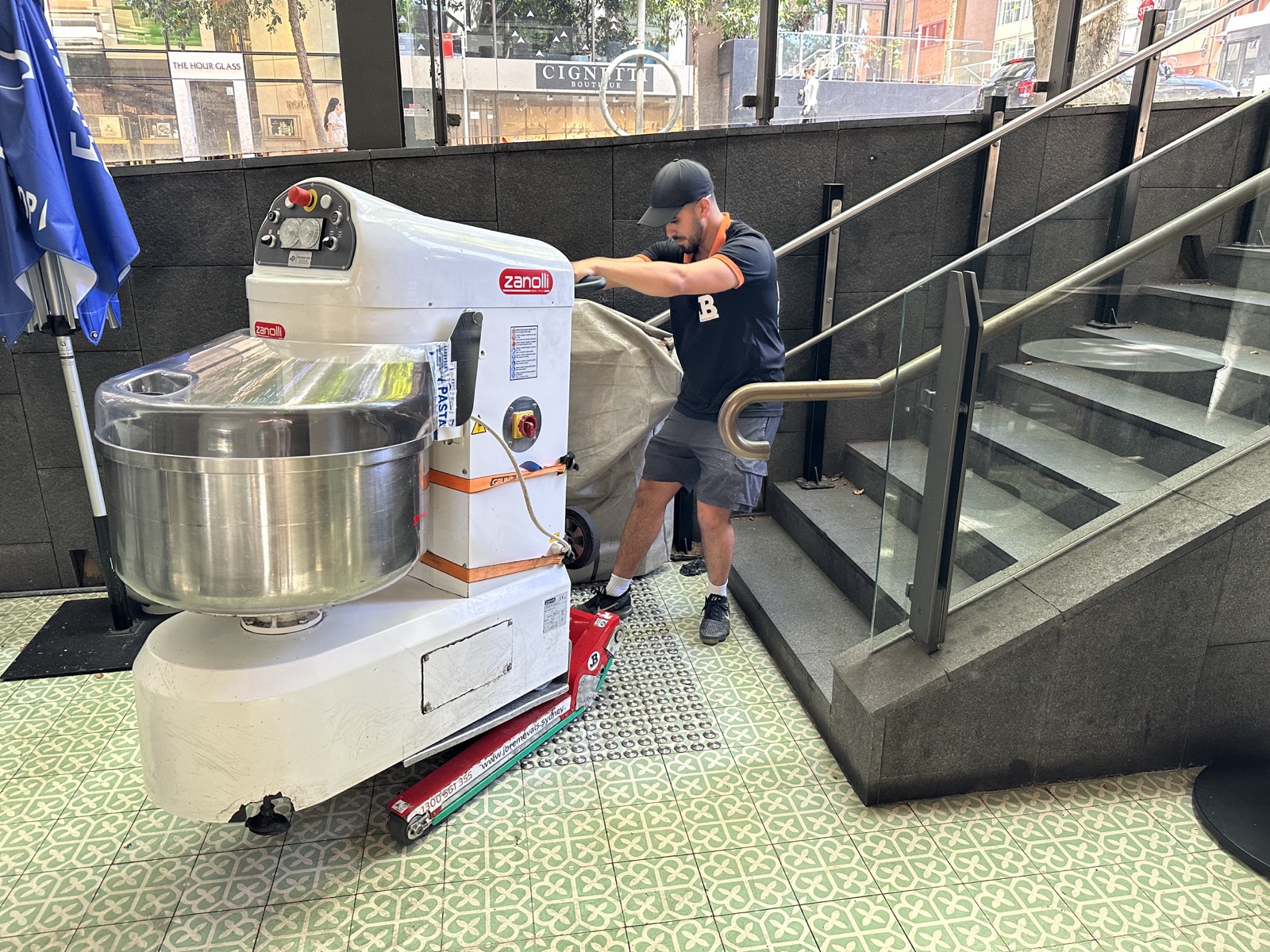
JB Removals has invested in specialist heavy-moving equipment, including stair-climbing and mechanical lifting systems for difficult-access jobs.
Specialist equipment and advance planning help control difficult heavy-item moves.
How to Protect Heavy and Valuable Items
Heavy does not mean indestructible.
A piano may have a polished cabinet and sensitive internal components. A slate pool table may require careful disassembly. A safe can damage flooring or stairs if its load is concentrated incorrectly. Commercial machinery may have components that must remain upright.
Protection therefore begins before lifting.
Suitable padded covers should be used where appropriate, loose components should be secured, corners and finished surfaces should be protected, and any manufacturer handling or transport instructions should be considered.
The same principle applies to the property. Walls, floors, lift interiors and door frames should be considered part of the move plan rather than something to repair afterwards.
Sydney Access, Parking and Permit Considerations
In Sydney, the hardest part of a heavy move can be the final 30 metres.
An apartment may have a lift with booking conditions. A CBD office may have a loading-dock window. A Northern Beaches property may have steep access or multiple flights of stairs. A strata building may request documents from the removal company before granting access.
Parking, loading, public-space occupation, crane or Hiab use and oversize vehicle movements can all involve different rules depending on the location.
Not every heavy-item move requires a council permit. Approval becomes relevant where the move affects public roads, footpaths, restricted parking, hoisting over public space, road closures or oversize/over-mass access.
Customers should check the relevant council, building or strata management requirements in advance where applicable.
Difficult access may require task-specific mechanical lifting equipment.
How Much Does It Cost to Move a Heavy Item in Sydney?
There is no useful one-price answer.
The price can change substantially depending on:
item weight and dimensions;
stairs and difficult access;
parking distance;
building restrictions;
dismantling or reassembly;
crew size;
travel time;
specialist equipment; and
whether the item can be moved through normal building access.
Published Sydney removal pricing varies widely between operators and job types. Specialist items such as pianos, safes, pool tables, machinery and oversized commercial equipment are best quoted from specifications, photographs and access details rather than from a generic online number.
Any market pricing examples used in this article should be treated as general planning information only, not as JB Removals pricing or a promise of a particular rate.
How to Tell Whether a Removalist Really Has Experience
Ask specific questions.
Have you moved this type and approximate weight before?
What equipment will you use?
How many people will attend?
What happens at the stairs?
Have you inspected the access photographs?
What protection is included?
What insurance applies specifically to my goods?
What could change the quoted price?
A credible heavy-item moving company should be able to explain the job rather than simply say, “No problem.”
Questions to Ask Before Booking
Before choosing a company, ask for a clear explanation of:
the proposed moving method;
equipment that will be used;
crew size;
protection for the item and property;
access requirements;
insurance and exclusions;
likely additional charges;
parking or building-management requirements; and
what happens if the actual access differs from the information supplied.
Red Flags to Watch For
Warning signs can include:
an extremely low quote given without asking about the item or access;
no clear explanation of equipment;
vague answers about insurance;
“we’ll work it out when we arrive” for a genuinely complex heavy move;
inability to explain how stairs or loading will be handled;
no interest in photographs, dimensions or weight; and
reluctance to put charges or exclusions in writing.
Sydney Heavy-Move Examples
Northern Beaches Piano Move
An upright piano on an upper level should be assessed from photographs and measurements before moving day.
The staircase, landings, wall clearance, truck position and surface protection can matter just as much as the piano itself.
The correct handling and mechanical assistance should be determined before the move starts.
Sydney CBD Safe
A safe inside a multi-level CBD building may involve lift limits, loading-dock bookings, building-management requirements and narrow delivery windows.
This makes advance access planning particularly important.
Commercial Equipment Relocation
Fitness equipment, workshop machinery, commercial appliances and other bulky workplace items can require staged relocation, specialist lifting equipment and coordination with building management.
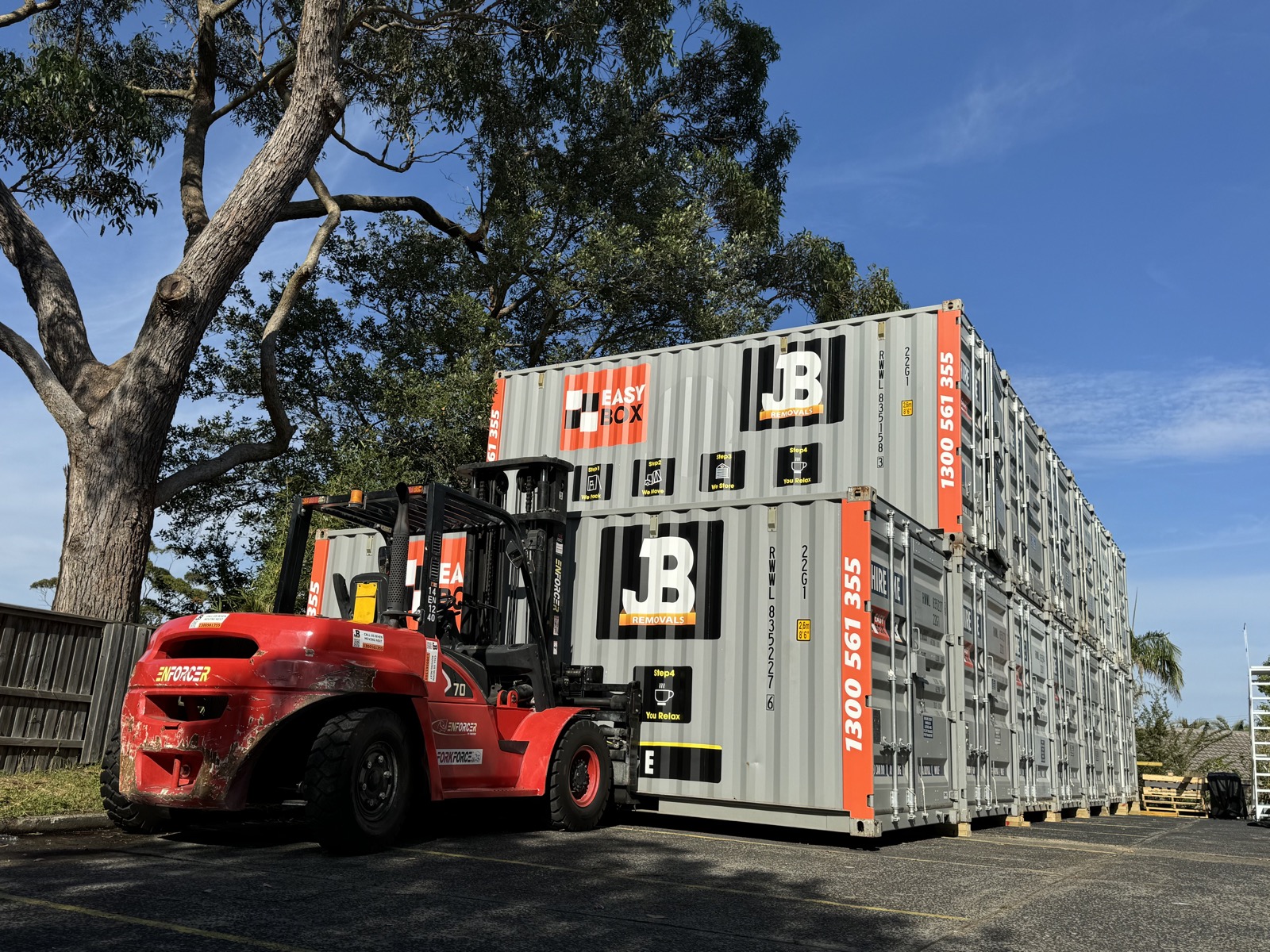
Mobile storage can support a staged heavy-item or commercial relocation.
Experience Is a Plan You Can See
Real heavy-item experience should become obvious before moving day.
The company should ask the right questions, understand the weight and access, choose equipment deliberately, explain how the item and property will be protected, clarify insurance and identify any building, parking or permit issues in advance.
That is the difference between simply hiring people to lift something heavy and hiring a team that understands how to move heavy items safely in Sydney.
Some can, but customers should confirm that the removalist has experience with the specific item, approximate weight, access conditions and equipment required. A normal furniture move is not automatically the same as a specialist heavy-item move.
How do I prepare a heavy item for a removalist quote?
Provide the item type, approximate weight and dimensions, clear photographs of the item and access route, pickup and delivery suburbs, and information about stairs, lifts, loading docks and restricted parking.
How much does it cost to move a piano in Sydney?
Sydney piano-moving prices vary considerably according to piano type, stairs, access, distance, equipment and crew required. A job-specific quote is the most reliable way to determine price.
Do I need a council permit to move a heavy item in Sydney?
Not simply because the item is heavy. Permits or approvals may become relevant if the move involves restricted parking, occupation or closure of a public road or footpath, crane or Hiab operations over public space, or oversize/over-mass vehicle movements.
What insurance should I ask a removalist about?
Ask what cover applies specifically to your goods while they are being handled and transported, what exclusions or excesses apply, and what documentation is available. Do not assume general public liability insurance automatically provides comprehensive transit cover for your belongings.