 Sydney’s Best & Most Trusted Removalists
 1300 820 861
 Sydney’s Best & Most Trusted Removalists
A practical Sydney moving guide on DIY, professional and hybrid moves – including hidden costs, safety, planning and when professional help creates real value.
Since COVID, Sydney households have become much more conscious of cost.
Housing affordability deteriorated sharply through the post-pandemic period. PropTrack reported record-low affordability in 2024, driven by higher borrowing costs and continued home-price growth. That broader pressure makes it understandable that moving day becomes another place to look for savings.
So one of the first questions people ask is:
“What can I move myself to save money?”
That is a sensible question. But there is a better one:
“Which parts of the move should I actually do myself?”
A DIY move can genuinely save money. A professional Sydney removalist can genuinely save money. And for many households, the smartest option is somewhere in between. The mistake is assuming that the cheapest-looking option at the beginning is necessarily the cheapest option by the end.
DIY moving looks inexpensive because a large part of the cost is invisible. You do not send yourself an invoice for your own time, and you may not budget for a second truck trip, damaged furniture or an extra day off work.
A better comparison is: vehicle + fuel + tolls + insurance/excess + equipment + parking + additional trips + time + helpers + damage exposure + physical risk versus the full professional quote.
Suppose you spend 4 hours collecting boxes and equipment, 6 hours packing, 3 hours collecting a hire vehicle, 10 hours moving, 5 hours finishing the next day and 2 hours returning equipment. That is 30 hours.
If two adults are doing the same move, that can represent around 60 hours of household time. That does not automatically make professional removalists cheaper, but it does mean DIY is not free. If that time replaces paid work, business time, childcare, recovery time or family time, it has an economic value.
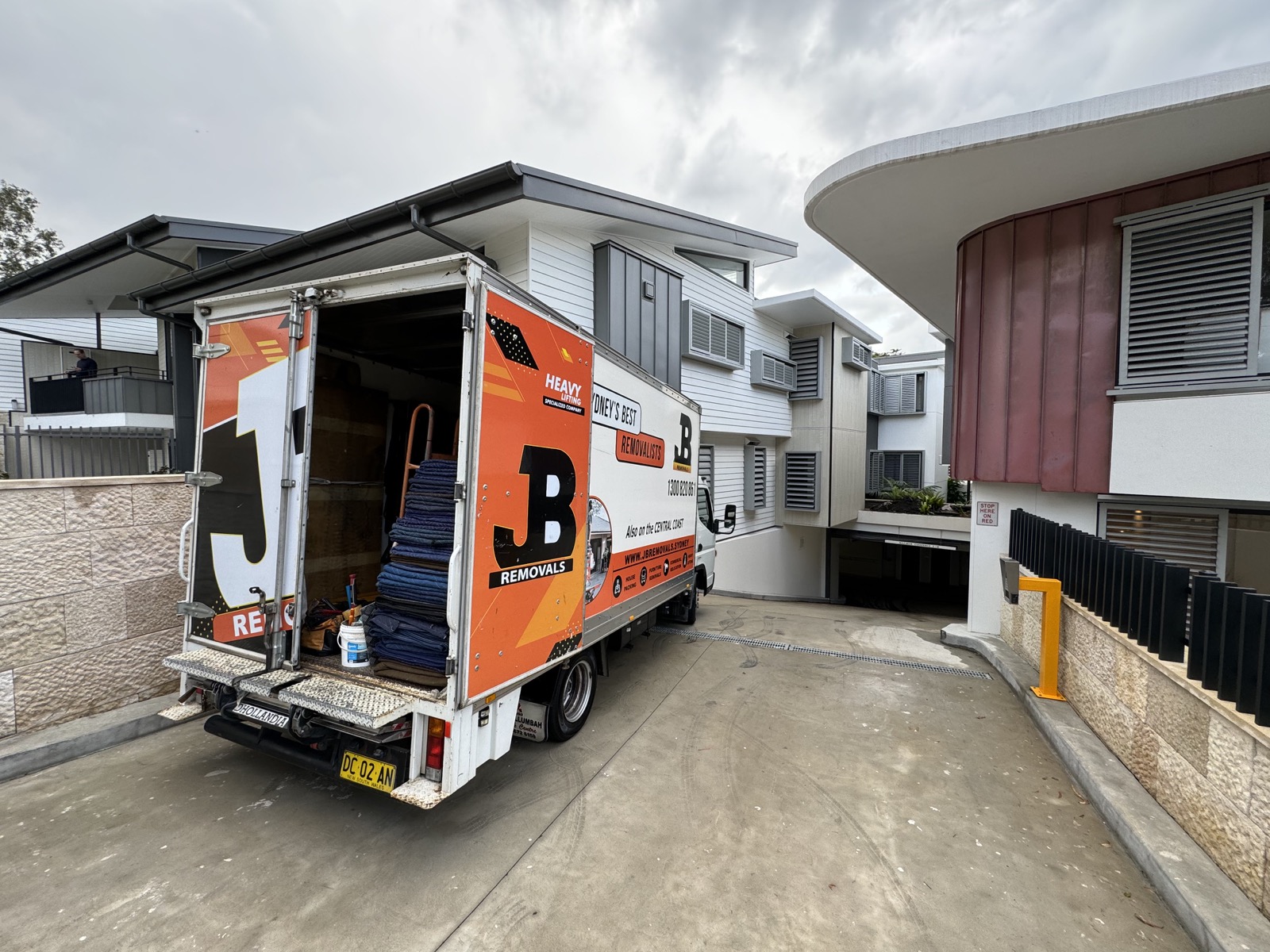
Truck size is one of the most misunderstood parts of moving. A smaller hire truck may appear cheaper, but if the move requires load, drive, unload, return, reload, drive again and unload again, you have increased fuel, kilometres, time, physical handling, parking exposure and fatigue.
The correct question is not “What is the cheapest truck?” It is “What is the smallest suitable truck that can complete the move efficiently?” This is where professional planning can make a significant difference.
Moving ten boxes yourself is very different from moving a refrigerator, large lounge, dining table, piano, safe, marble table or oversized cabinet.
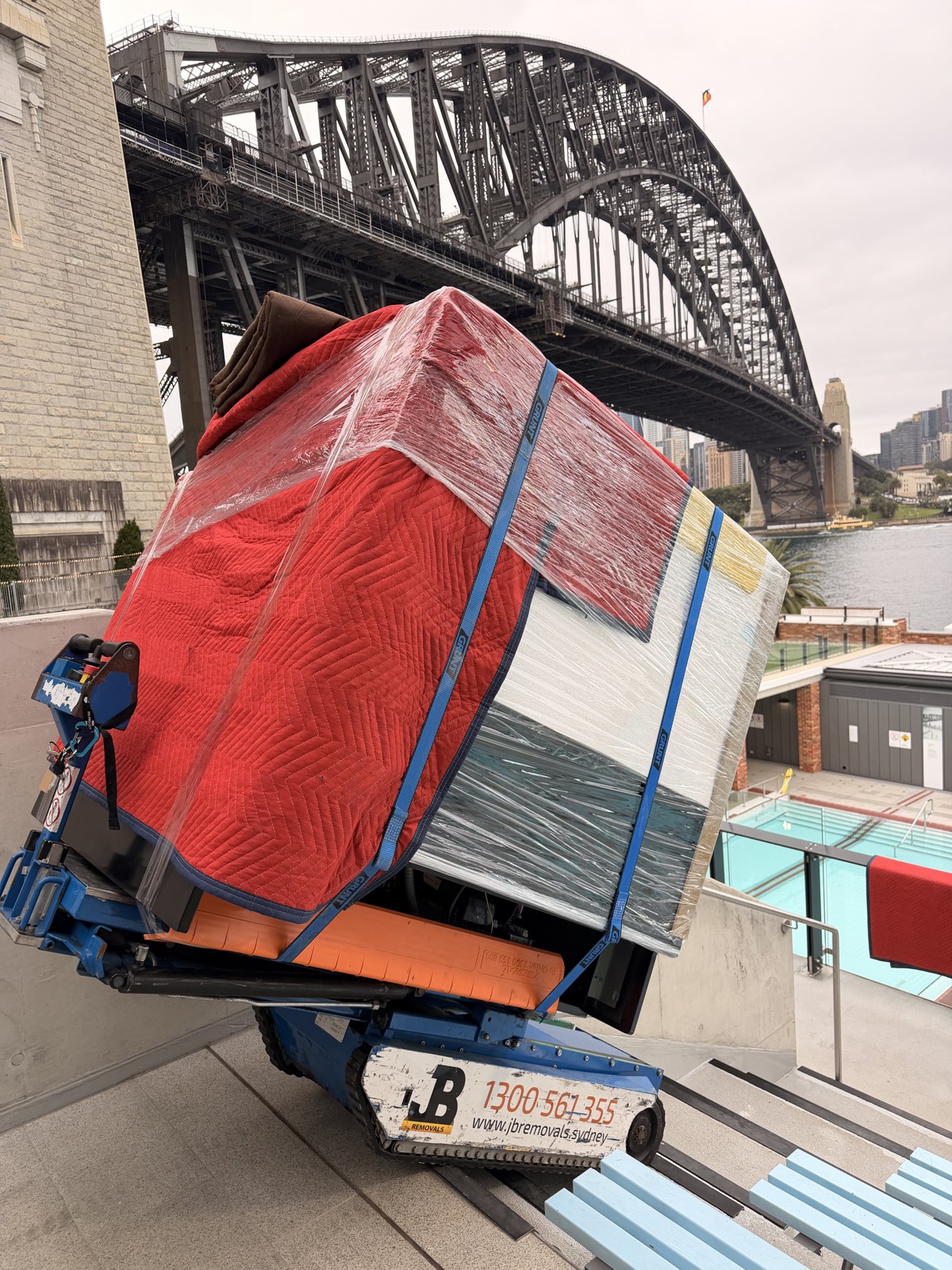
Smaller items may be easy to transport in a personal vehicle. Large items introduce additional considerations such as balance, weight, turning space, stairs, wall protection, truck loading, load restraint and mechanical equipment.
If you are trying to save money, do not ask “What can I physically carry?” Ask “Which items create the highest real saving with the lowest risk if I move them myself?”
Manual handling is not simply about strength. SafeWork NSW identifies high or sudden force, awkward posture and repetitive or sustained force as risk factors in hazardous manual tasks. It also emphasises the appropriate use of mechanical aids, tools and equipment.
The economics can change quickly if a saving of a few hundred dollars is exchanged for an injury, time off work, damage to the item or damage to the property. JB’s heavy-removal service is designed for items where specialist planning and equipment matter.
Imagine saving $600 on the move. Then a television is damaged, a fridge is dropped, timber flooring is scratched, a rental wall is damaged, a dining table is chipped or an apartment lift is damaged. One incident can wipe out the saving.
The property itself is part of the risk. In Sydney apartments and strata buildings, common-property damage can create costs beyond the furniture itself. This is why moving should be treated as a risk-management exercise, not just a transport exercise.
A common DIY plan is “I’ll get a couple of mates.” Sometimes that works perfectly. Sometimes someone cancels, arrives late, cannot lift what you expected or needs to leave halfway through.
Professional moving companies provide something that is often overlooked: planned labour capacity. You are not only buying strength. You are buying a crew that is scheduled to arrive and complete the job.
One of the most underestimated professional skills is sequencing. If boxes are loaded first and large furniture then will not fit, the boxes may need to be unloaded, the furniture loaded, and the boxes loaded again.
Every item has now been handled multiple times, creating extra labour, fatigue, damage exposure and time. Professional movers develop loading patterns through repetition, and the sequence of the load can affect the efficiency of the entire job.
Sydney moves may involve apartment lifts, loading docks, underground parking, narrow streets, long carries, steep driveways, restricted parking and strata booking windows.
A truck parked 10 metres from the entrance is very different from one parked 80 metres away. Every item has to travel that extra distance.
The NSW Government recommends giving a removalist complete details about the move so it can provide an accurate written, itemised quote.
There is a third option between doing everything yourself and paying a company to do absolutely everything: the hybrid move.
You handle the tasks where DIY creates a genuine saving. Professionals handle the tasks where experience, equipment and labour make the biggest difference.
AFRA guidance encourages consumers to decide which packing tasks they will handle themselves and which should be left to professionals, while noting that some appliances require specialist preparation.
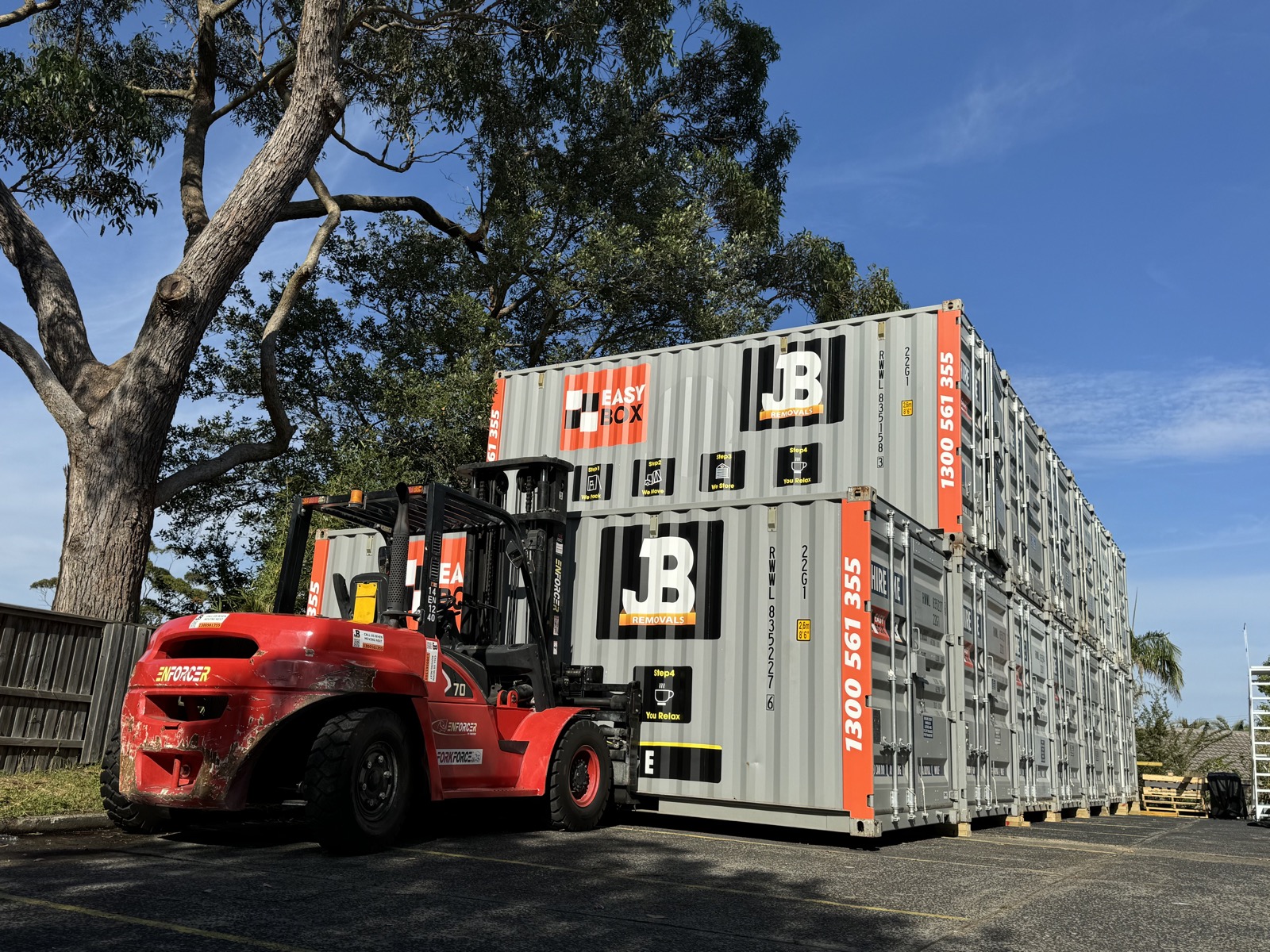
Temporary EasyBox mobile storage can also support a staged or hybrid move where timing and access need to be managed.
This is the central idea. DIY is not necessarily the problem. The problem is choosing the wrong component of the job to DIY.
Spending hours transporting small items might save almost nothing if the professional truck still has spare capacity. Trying to move one extremely heavy object yourself could introduce enormous risk.
A smarter decision framework is: risk + time + volume + equipment + cost.
The value of a professional removal company should begin before the truck arrives. A proper assessment can help determine truck size, crew size, likely duration, parking requirements, access problems, disassembly needs, heavy items and storage requirements.
Example A: You move 15 boxes yourself, but the professional truck was already large enough and the crew still needs roughly the same amount of time. Saving: minimal.
Example B: You move 40 boxes and several small items, and that reduction allows a smaller truck or shorter job. Saving: meaningful.
Same strategy. Different result.
A good moving plan should not automatically mean full-service removal. Sometimes it makes sense to use professionals only for the parts that actually need them.
That can mean furniture-only removal, professional heavy-item moving, customer-packed boxes, an hourly move, a fixed-price move, a staged move, temporary storage or a combination of DIY and professional labour.
That is why planning should come before pricing.
The NSW Government recommends getting a written quote, giving the removalist full details and making sure the quote accounts for the relevant charges. The more accurate the information, the better the planning.
Ask what is included, when charging starts and finishes, whether travel is included, whether minimum hours apply, what crew and truck are recommended, and what could change the final price. JB’s moving and quote calculator can help you provide the details needed for an initial assessment.
Australian Consumer Law applies to services. The ACCC says services must be provided with an acceptable level of care and skill and that providers must take reasonable steps to avoid causing loss or damage.
That does not mean every accident is automatically covered or that every loss results in compensation. But it does mean professional service standards matter.
| Factor | DIY | Professional | Hybrid |
|---|---|---|---|
| Initial cash outlay | Usually lower | Higher | Medium |
| Customer time | High | Low | Medium |
| Planning burden | Customer | Professional | Shared |
| Heavy-item suitability | Low | High | High |
| Equipment | Hire/buy | Supplied | Supplied where needed |
| Labour certainty | Low | High | High for major items |
| Damage exposure | Higher | Lower with competent crew | Medium |
| Flexibility | High | Structured | High |
| Best for | Small/simple moves | Larger/complex moves | Cost-conscious mixed moves |
At this point the question changes from “Can I do it myself?” to “Is doing it myself actually efficient?”
The objective should not be to persuade every customer to buy the largest removal service. The objective should be to understand the move properly.
If budget is important, say so. Show the estimator the inventory, photos, access, heavy items, parking and pickup/delivery details. Then determine whether the best approach is a full professional move, furniture-only move, hybrid move, fixed-price move, hourly move or storage-assisted move.
That is how a customer reduces cost without creating unnecessary risk.
The cheapest move is not always the move with the lowest initial price. And the best professional move is not necessarily the one where the removal company does everything.
The smartest move is the one where the right people handle the right parts of the job.
For some customers, that means doing most of it themselves. For others, professional removalists save time, repeated trips and risk. And for many Sydney households trying to manage costs, the best answer may be somewhere between the two.
Plan first. Then decide what is actually worth doing yourself.