
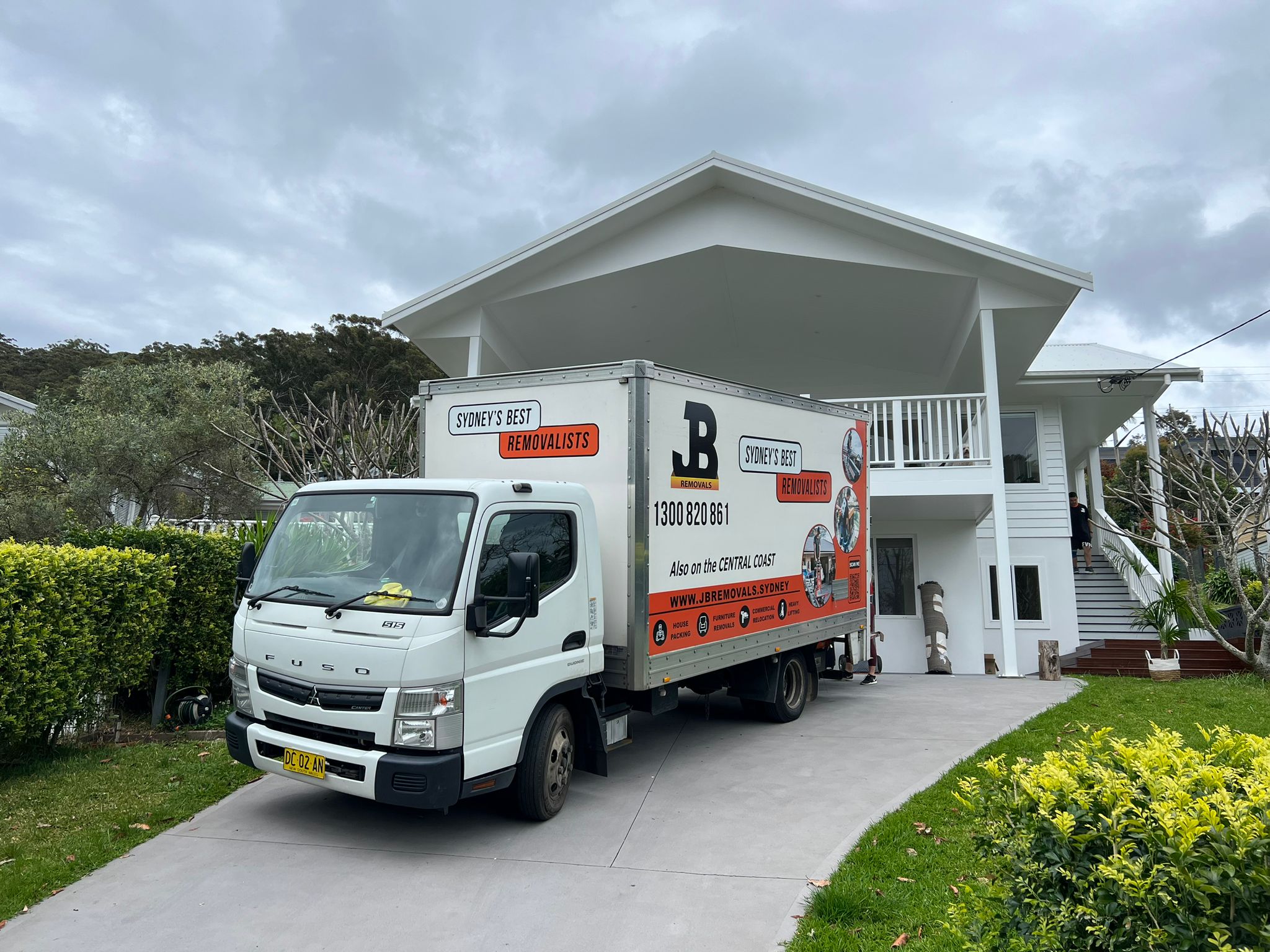
Cammeray removals planned around the real access conditions
A practical local plan for the property, street, building and inventory
For a move in Cammeray, the inventory and the route between the room and truck should be assessed together. This page focuses on apartments and houses where gradients, stairs and curb positioning affect the plan. The quote should record both addresses, the moving date, a room-by-room inventory, parking or loading conditions and every stair, lift, gate or long carry.
For a unit, apartment or townhouse, confirm lift dimensions, booking times, shared-corridor protection and the approved loading point. If there is no lift, count every flight and landing. Stairs, gradients and sharp turns should be photographed because they affect the handling method, crew requirements and whether an item can travel through the intended route. These details reduce surprises and help JB Removals propose a realistic plan rather than treating every Cammeray relocation as the same.
Cammeray apartment, unit and townhouse moves
Book shared facilities before confirming the crew arrival time. Ask the building or strata manager about service lifts, loading areas, floor protection, insurance documents and permitted hours. Finish decluttering before the final inventory so the vehicle and crew are based on what will actually move.
- Packing and unpacking support for full or partial moves
- Furniture, doorway and high-contact-surface protection
- Planning for stairs, gradients and tight turns
- Storage options when dates or access do not align
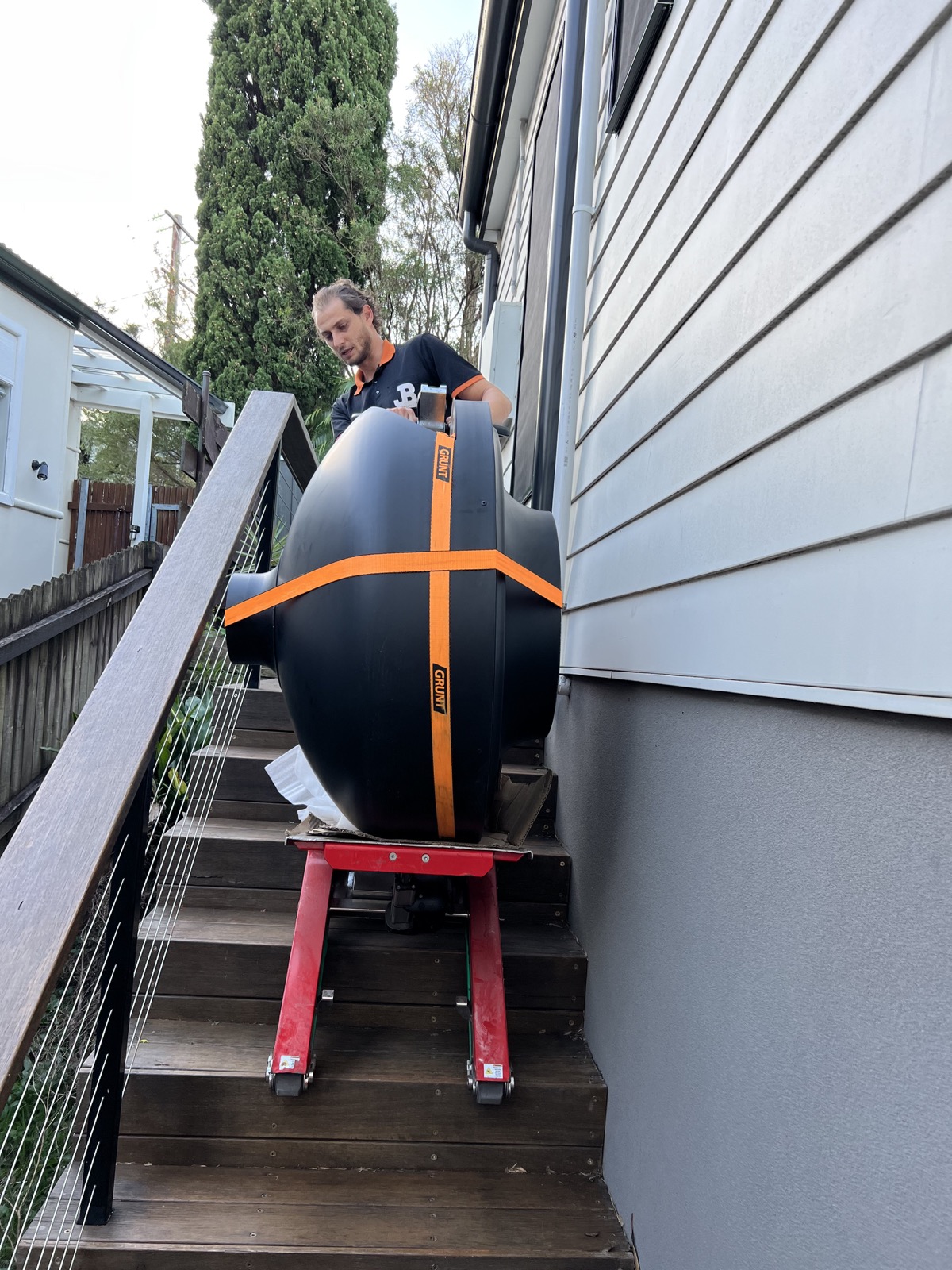
Bulky furniture, storage and difficult access in Cammeray
Where settlement, renovation or access dates do not align, EasyBox and storage options may provide an intermediate stage. The right arrangement depends on volume, duration and whether ongoing access is required.
Pianos, safes, stone tables, gym equipment and oversized furniture need item dimensions, approximate weight and photographs of the entire access route. SafeWork NSW explains why force, awkward posture and the physical work environment matter in hazardous manual task planning; difficult items should therefore be assessed rather than improvised.
- Heavy-item assessment where the item and access are suitable
- Planned disassembly where appropriate
- Photographic access review before crew allocation
- Clear scope for any storage or packing stage